
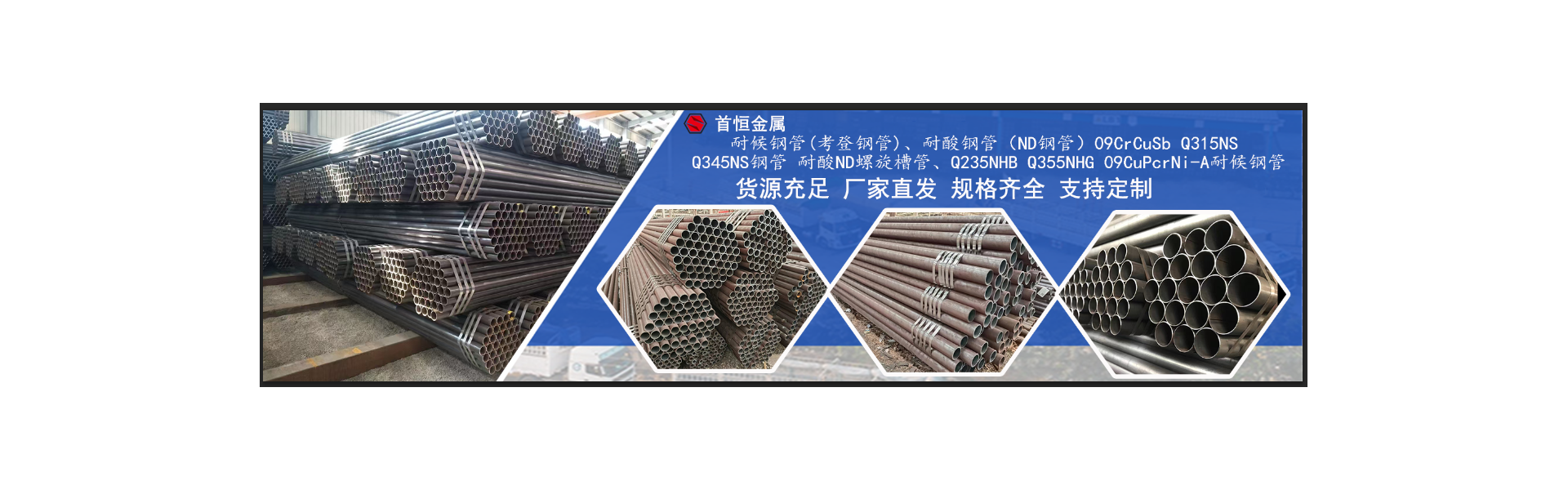
NDSteel pipes are a special type of alloy steel pipes designed for extreme working conditions. Below is a detailed introduction to them:
Material and Composition
NDSteel pipes are primarily manufactured from carbon structural steel, low-alloy high-strength structural steel, and alloy steel, among other materials. These materials possess mechanical properties, corrosion resistance, and welding capabilities. In terms of chemical composition,NDThe steel pipe strictly controls the content of elements such as carbon, silicon, manganese, phosphorus, sulfur, chromium, and copper, adjusting the proportions of these elements to provide corrosion resistance and high-temperature performance.
II. Performance Features
1. Low-temperature and corrosion-resistant:NDSteel pipes are characterized by their resistance to low-temperature dew point corrosion caused by sulfuric acid, suitable for environments with high sulfur flue gas. They are widely used in various equipment in power plants and refineries, such as fan casings, economizers, air preheaters, heat exchangers, and evaporators.
2. High-pressure and high-temperature resistance:NDSteel pipes not only inherit the traditional advantages of high strength, thermal conductivity, and workability from traditional steel pipes, but also achieve significant improvements in their ability to withstand high pressure and high temperature. Their tensile strength can reach390~550MPa, Yield strength not less than245MPaOur elongation rate has reached an impressive level.25%Above. Meanwhile,NDAlloy steel pipes are specifically added with elements like chromium and nickel, which enhance high-temperature oxidation resistance. These elements can form dense oxide films at high temperatures, effectively separating oxygen from direct contact with the base material, thereby significantly slowing down the oxidation rate of the material.
3. Thermal Conductivity:NDSteel pipes can rapidly dissipate heat under high-temperature conditions, reducing the accumulation of internal thermal stresses in the material and preventing performance degradation caused by localized overheating.
III. Production Methods and Specifications
NDThe production methods of steel pipes mainly include seamless pipes and welded pipes. Seamless pipes are processed through methods such as hot rolling, cold drawing, or piercing, offering high overall performance and precision; whereas welded pipes are manufactured through processes like steel plate rolling, welding, and heat treatment, featuring lower production costs and a wide range of applications.NDCommon specifications for steel pipes include various sizes, such as:20*3、30*3Wait, to meet different usage requirements.
Section 4: Application Fields
NDSteel pipes are widely used in industries such as oil, chemical, power, and construction. In the oil industry,NDSteel pipes are primarily used for transporting oil and gas mediums, withstanding high pressure, high temperature, and corrosive environments; in the chemical industry, they are employed for the conveyance of various corrosive mediums; in the power industry,NDSteel pipes play a crucial role in the boiler systems of thermal power plants, used in components such as superheaters and reheaters; in addition, they are employed in high-temperature and high-pressure environments such as nuclear power and coal chemical industries.NDSteel pipes also demonstrate a broad range of application prospects.
In summary,NDSteel pipes play a crucial and irreplaceable role in numerous industrial sectors due to their properties of withstanding low temperatures, corrosion resistance, high pressure, and high heat. As technology advances and the market expands continuously,NDThe application prospects of steel pipes will become even broader.
