
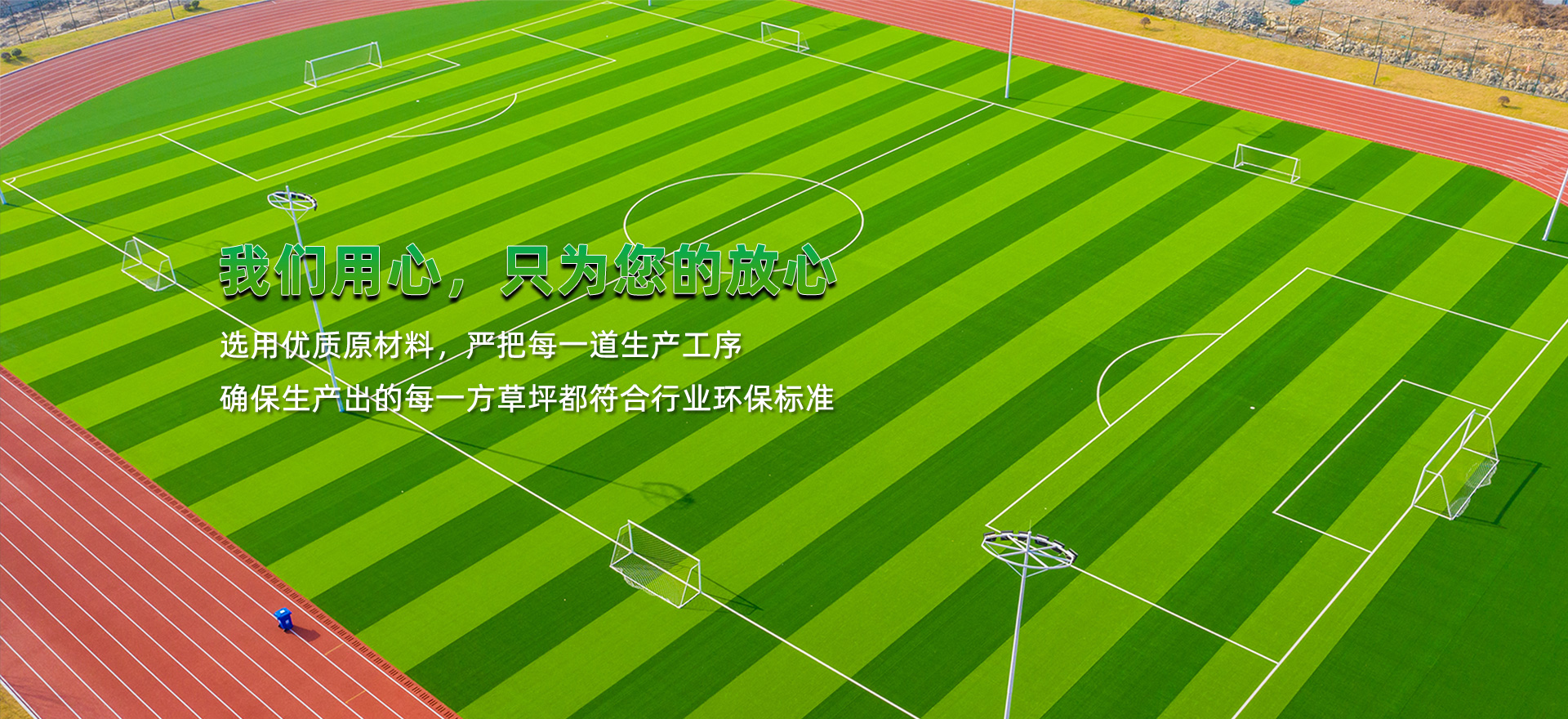

The site adopts a turtle-back drainage system, incorporates a circular drainage channel between the infield and the track, and connects to the surrounding stormwater inlets to meet the requirements for on-site drainage. The drainage performance of the surface material of the artificial turf field and its sub-base should exceed180mm/h。
The slope from the center line of the artificial turf field to the surrounding edge lines should be less than...3‰。
Three Basic Type
Artificial turf fields can accommodate asphalt concrete bases, cement concrete bases, and lime soil bases.
Four Basic acceptance criteria
1. Inspection Requirements
The foundation must possess positive strength and stability. It should not generate cracks or uneven frost heave caused by freezing. In frozen regions, a geotextile buffer layer should be added between the surface and the gravel layer, and special waterproofing treatment should be applied to the foundation along the drainage channels.
Basic Flatness:The 3-meter ruler has an error of less than 4 millimeters, with a lateral and longitudinal slope of less than 3‰, and a runway area of less than 4‰. The appearance should be flat and smooth, ensuring proper drainage. Within a diameter of 3 meters, gaps should be less than 10mm; within a diameter of 0.3 meters, gaps should be less than 2mm. In frozen areas, a geotextile cushioning layer should be added between the surface and the gravel layer, and special waterproofing treatment should be applied along the drainage channels.
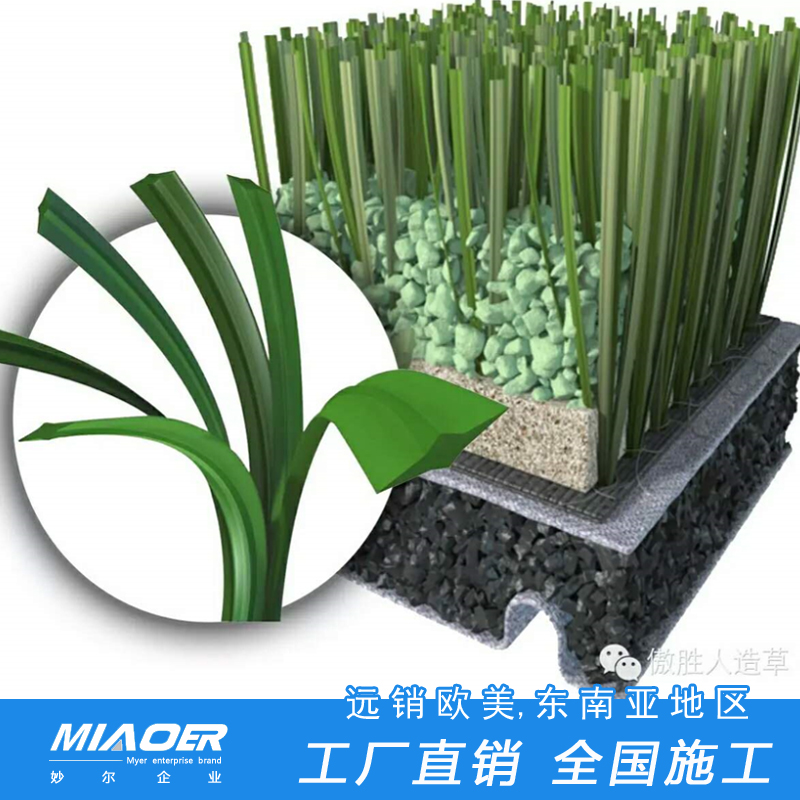
The substrate should be clean and dry, with asphalt and concrete substrates to be completed.A 30-day+ recovery period.
2. The concrete foundation requires the use of No. 20 cement, with a minimum concrete height of >=8cm. For large-scale applications, consider leaving expansion joints.
3. Technical specifications of asphalt concrete foundation:
Basic compaction followed by density>95% compaction achieved in the subgrade sand layer, with a density of over 2.3 kg/cubic meter; the surface of the heavy roller track is no more than 5mm; the appearance is smooth and solid, free of sand holes and梅花 signs; the density of the base gravel layer reaches over 2.3 kg/cubic meter, with angular gravel density over 2.14 kg/cubic meter; the surface is firm and even, clean and uniform, with no significant marks from heavy rolling; the asphalt concrete black gravel layer has a compaction density of over 97%, dry density over 2.35 kg/cubic meter; the surface is free of oil stains, no unblended asphalt lumps, flat without cracks, no significant roller marks, no chipped edges or pushing, no loose surface, joints smooth, no waterlogging signs, and no pooling after half an hour of rain; the asphalt base should use asphalt material without wax or with minimal wax content; the asphalt mixture must be fully compacted, with penetration of 1/10mm over 60, softening point over 50°C, and elongation of 60cm; compressive strength R20 over 25 kg/cm², R50 over 25 kg/cm², thermal stability coefficient Kt = R20/R50 < 3.5. Volume expansion rate < 1%, water absorption rate 6-10%.
4. Inspection Progress
We conduct actual measurements based on the fundamental top quality scale and make corrections to any不合格 sections; inspect and verify the materials, which are provided by the construction unit and include all completed materials from the lawn construction unit; formulate the construction plan; and only after all materials for the project are in place can construction proceed.
5. On-site Clean-up
Clean the newly constructed foundation by removing soil, grease, and other debris; repair the existing foundation and damaged sections with the same layout; reconstruct the structure.For concrete ground bases with over 3 years of use, the expansion joints on-site must be thoroughly cleaned and filled with new material. For asphalt bases, when cracks are found, the debris inside the joints should be cleared, then a layer of dewaxed glass cloth should be laid after applying a thin asphalt mixture, ensuring the cloth width is no less than 30 cm.
