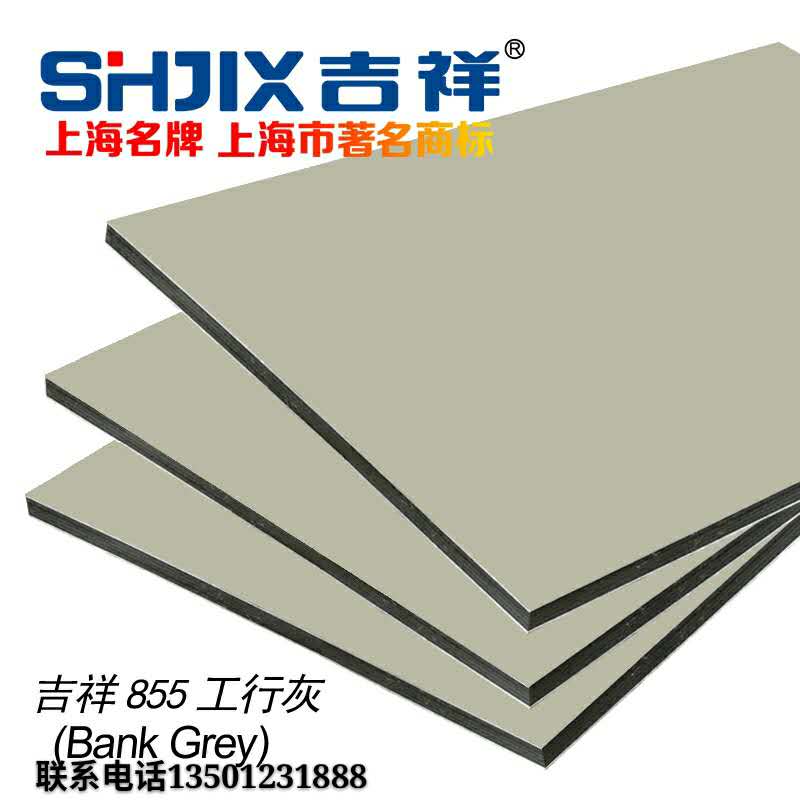
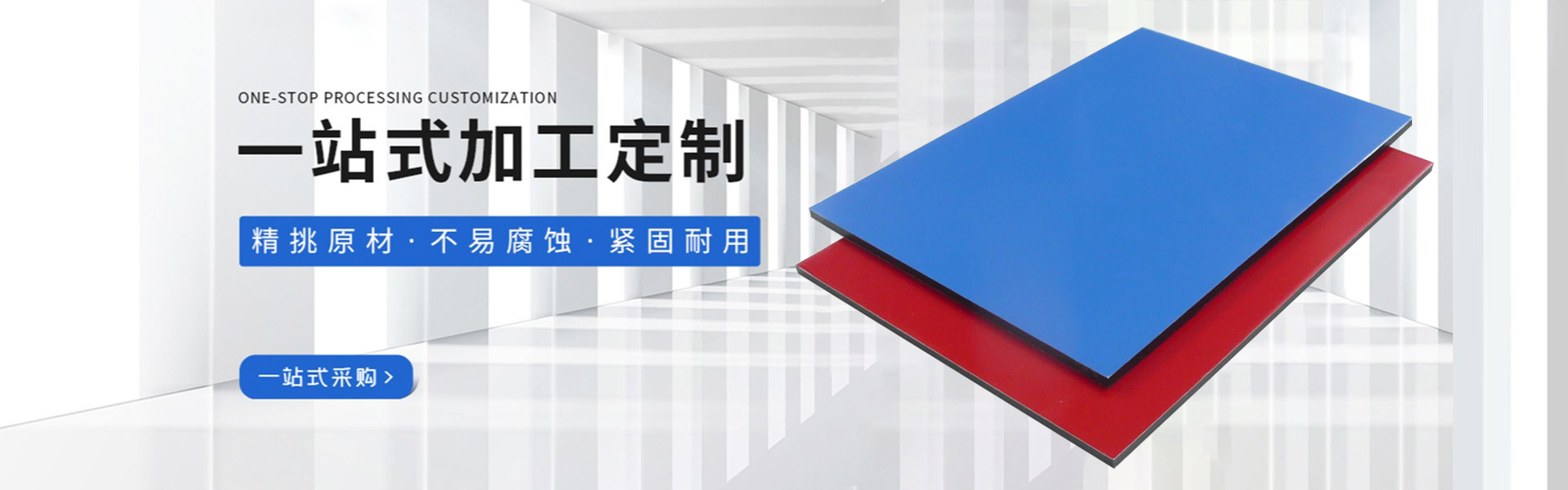

The aluminum composite panel consists of two outer layers of 0.5mm thick aluminum sheets sandwiching a 2-5mm thick aluminum core, with an exterior coating of a very thin fluorocarbon paint. This type of composite panel boasts even color, a flat surface, and ease of manufacturing. However, its drawback lies in the toxic components within the central layer, which release harmful gases upon combustion or exposure to high temperatures. Its use on both interior and exterior walls is environmentally harmful. Additionally, the aluminum sheets and PVC core are bonded together with adhesive, resulting in low composite strength; a pull on the layers can easily separate the aluminum and core.
Additionally, due to the thinness of the aluminum panels in this composite board, localized heating can cause the center core to expand, leading to the aluminum panels bulging outward. From the perspective of facade lightning protection, aluminum composite panels are made by bonding two 0.5mm thick aluminum thin sheets with polyethylene under pressure. Polyethylene is a poor conductor, and the two aluminum thin sheets are in an insulated state. Although an aluminum alloy subframe, rivets, and the bent four edges of the aluminum composite panel are connected during the manufacturing process, the small riveting surface area is more crucial, especially considering the thinness of the 0.5mm aluminum thin sheets. When faced with lightning, the large flash current can pierce through the 0.5mm aluminum thin sheets as it develops laterally around the facade panels, making it difficult for the strong current to pass through the composite board and ground the building, thereby causing lightning strikes.
From the perspective of the aluminum composite panel manufacturing equipment: The manufacturing of aluminum composite panels begins by cutting grooves along the four edges of the composite panel, removing a certain width of one aluminum sheet and plastic layer, leaving only a 0.5mm thick outer aluminum sheet. The four edges are then bent to 90° angles to form a rectangle. A rectangular subframe of the same size is then made from aluminum extrusions and placed inside the aluminum-plastic panel's rectangular grooves. The bottom surface of the subframe is glued to the back of the aluminum-plastic panel. The bent edges of the composite panel are secured to the subframe edges with rivets. A structural adhesive is used to attach one to several aluminum extrusions as reinforcing ribs in the center of the rectangle. However, most manufacturing units do not follow this method; instead, they bend the top edge of the aluminum composite panel to 90° angles after cutting the grooves, and only add angle aluminum to the four folded edges of the composite panel. This results in the weight of the panel and any external force or load being borne by the four 0.5mm aluminum edges, which reduces safety. Any facade is constantly subjected to different positive and negative wind load pressures, and the 0.5mm edges are prone to breakage, a phenomenon that has occurred in many projects. Therefore, the manufacturing of aluminum-plastic composite panel facades must include aluminum alloy subframes and reinforcing ribs.