

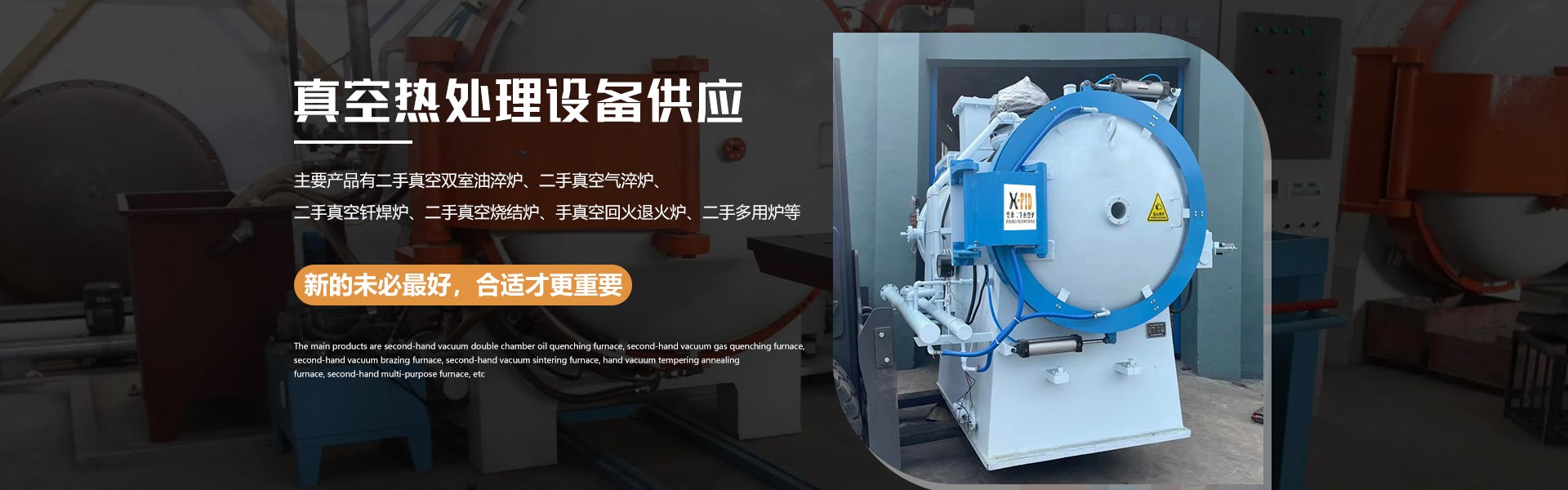
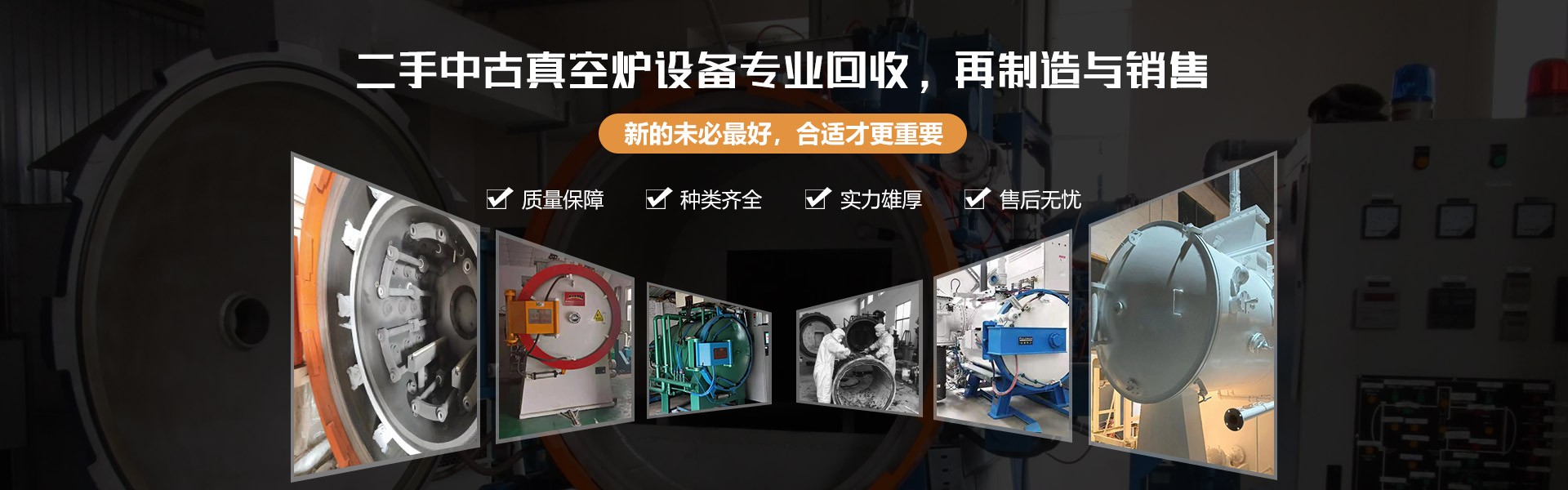
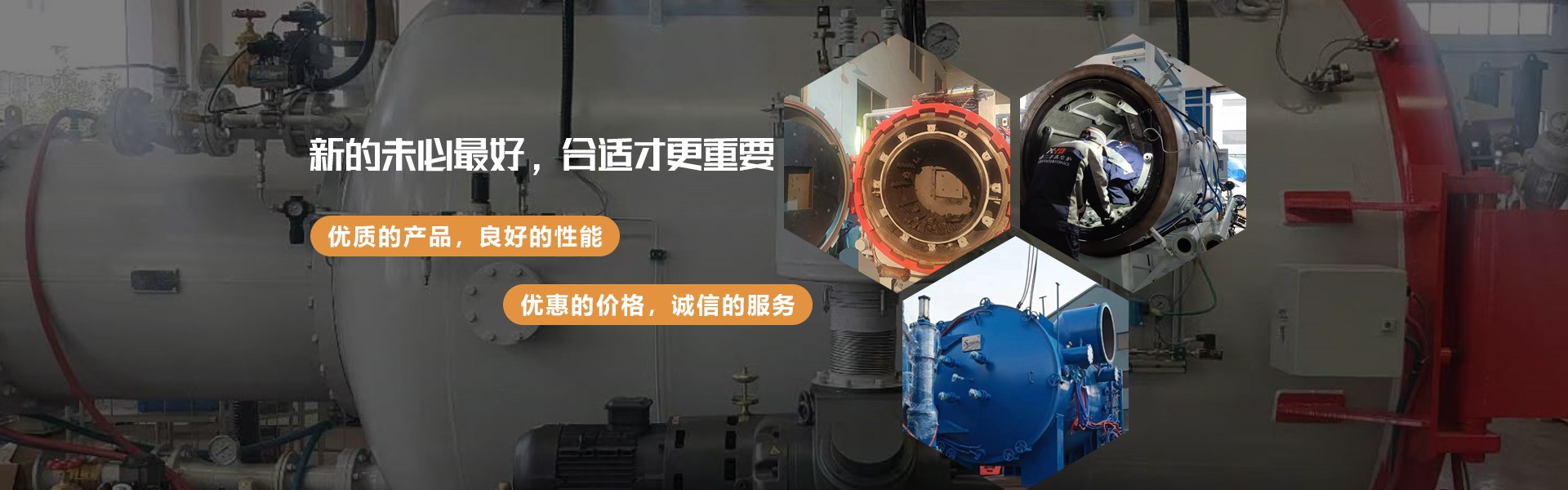

When discussing the primary principle of vacuum sintering furnaces, it's inevitable to delve into their processing objects and furnace composition.
In theory, it is a device that uses resistance heating, inductive heating, or microwave heating under vacuum protection to sinter hard alloy tool tips for protective sintering furnaces, employing a fast and safe heating method.
This equipment is primarily selected based on different types of processing materials. Among them, the vacuum induction tungsten sintering furnace is one of its production types. It operates in an environment where vacuum is applied and protective gas is introduced after evacuation, utilizing induced heating generated by an electric current. This heating, in turn, raises the temperature of the tungsten crucible within the coil to a high level, which is then transferred to the workpiece through thermal radiation.
This method is generally suitable for scientific research and vertical, bottom-discharging powder molding sintering of refractory alloys by special units. It involves a highly technical machine that completes the process through the coordinated operation of components such as the furnace body, vacuum systems, induction heating devices, and water-cooling systems.
Certainly, this also involves the selection of work objects. However, the principles of various operations are largely similar. Understanding one can lead to understanding others. Even with minor modifications, it is possible to produce industrial products that meet the requirements. Therefore, any differences are not a significant issue.
