



.jpg)
Application Scope
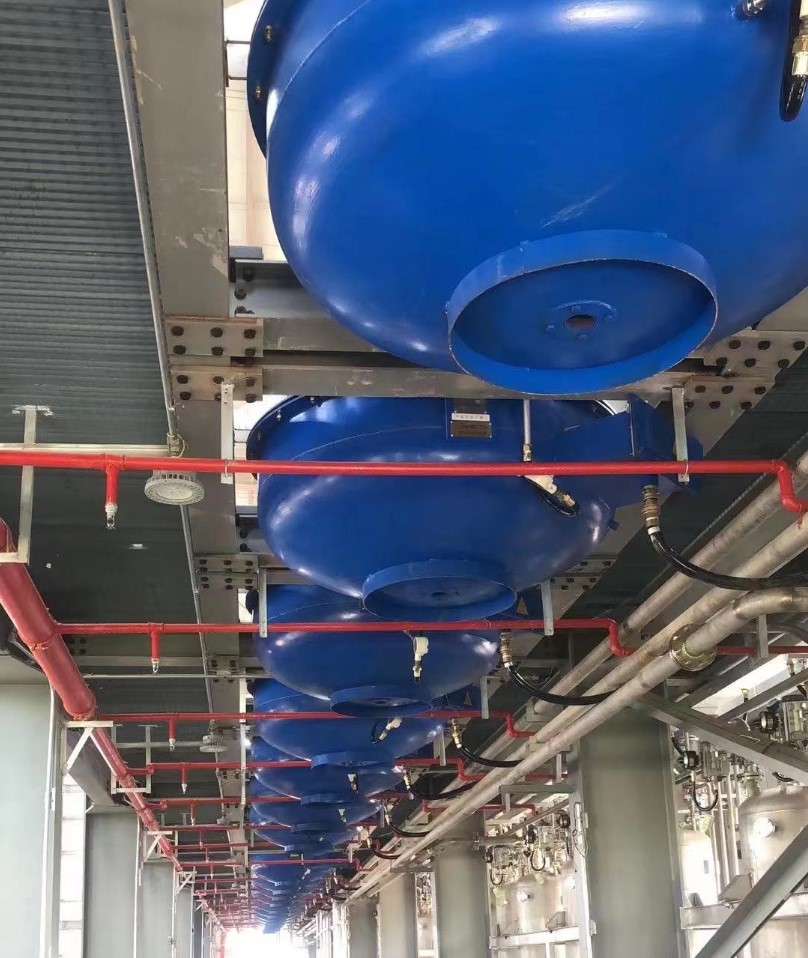
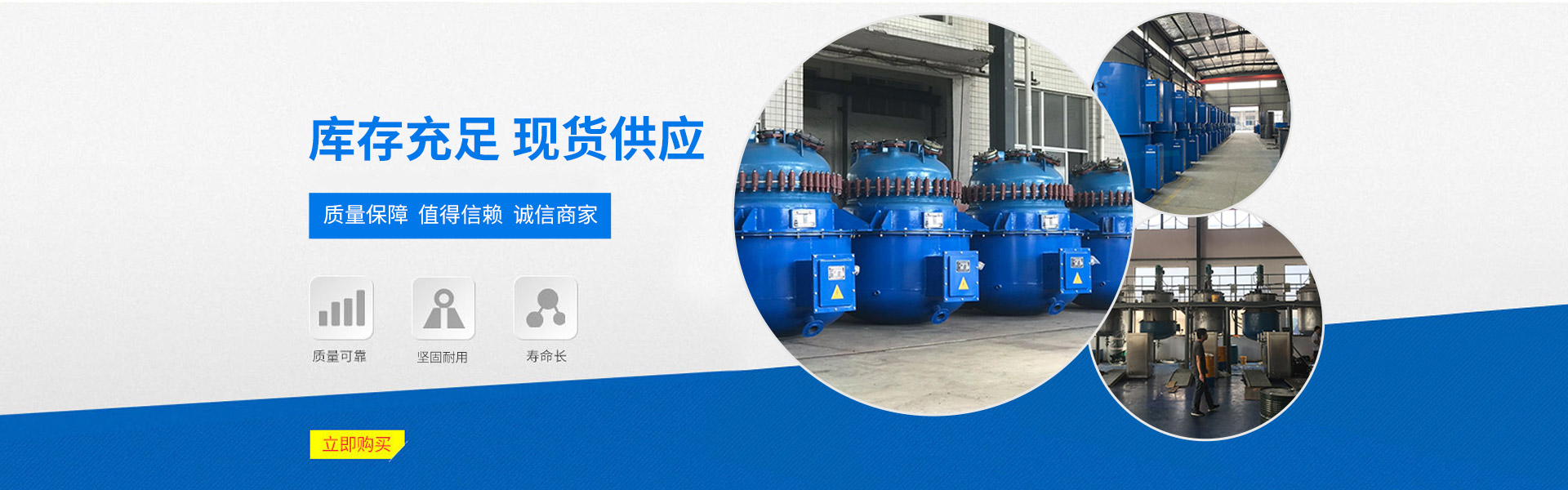
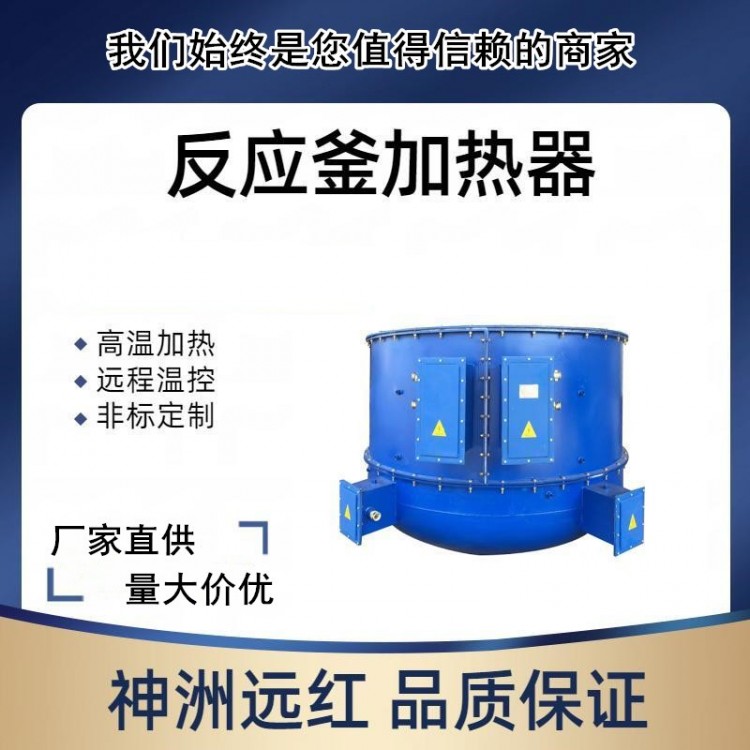
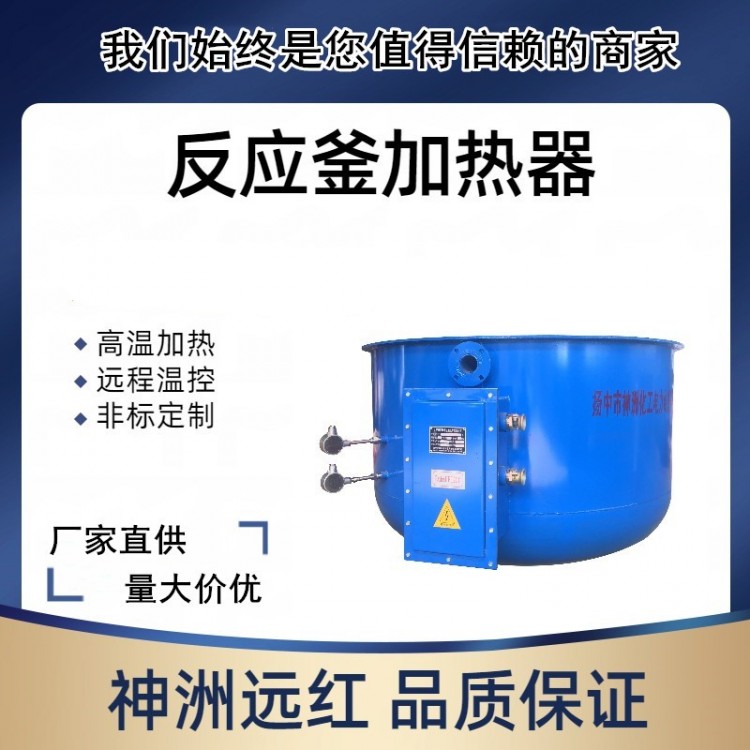
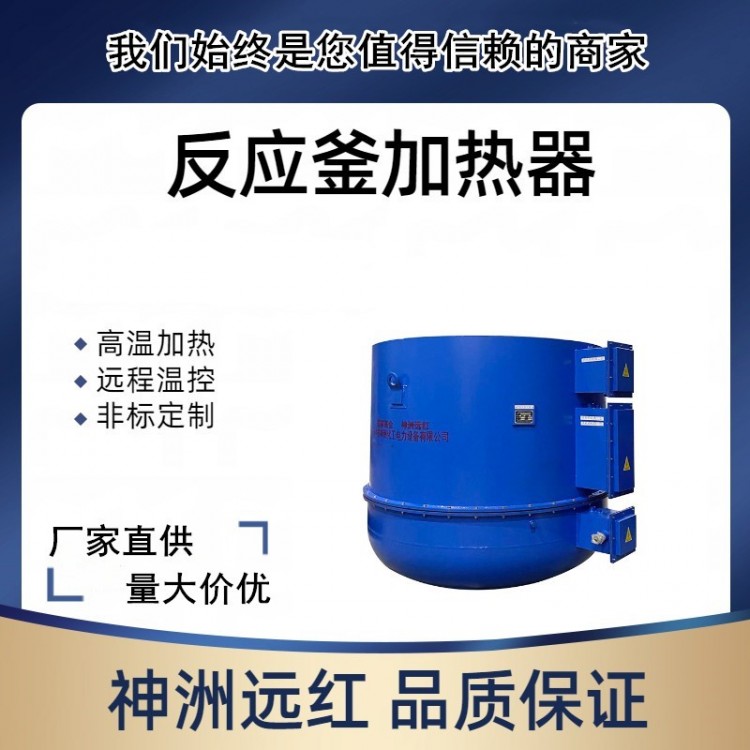
T/GF series carbon silicon carbide far infrared radiant heating units (reactor heaters) are mainly used for high and low-pressure reactors, distillation pots, distillation towers, enamel pots, and oxidation furnaces.
Dry reactors, cracking reactors, polymerization reactors, open-loop reactors, twin-screw heating furnaces, pipelines, distillation towers, molten salt furnaces, incinerators, heat transfer oil furnaces, etc., for the internal chemical products of chemical equipment.
Radiation heating capability; achieves environmental protection, explosion-proof, energy saving and emission reduction, improves product quality, reduces labor intensity, minimizes land occupation, and reduces the number of operational staff; currently widely used in petrochemical and coal industries.
Chemical industry, Graphene lithium battery anode and cathode materials, Dyes, Biology, Paints, Flavors, Food additives, High polymer materials, Polysilicon, Desulfurized reground rubber, High-temperature cracking, Waste machinery
Advanced and ideal heating equipment for high and low temperature heating in industries such as oil refining, biodiesel production, metallurgy, and mining.
◆ Working Principle
The process converts electrical energy into heat energy, then utilizes far-infrared spectrum technology to transform the heat energy into far-infrared radiation, allowing the heated material to rapidly and fully absorb the heat, thereby accelerating the rate of heat transfer.
Uniformity of degree and heat radiation, enhancing production yield and product quality; heat energy generated by high-temperature resistive ribbon through electrical conduction, then transmitted through a "far infrared" with high thermal conductivity and mechanical strength.
Silicon carbide thermal radiation elements or far-infrared high-aluminum thermal radiation elements act as thermal mediums to effectively transfer heat. This thermal radiation material belongs to the far-infrared material category.
The conversion of thermal energy into a stronger far-infrared spectral thermal radiation involves the thermal processes of conduction, convection, and far-infrared spectral thermal radiation.
Performance Description
The heating unit features a rational structure, a beautiful and innovative appearance, rapid, even, and stable heating, precise temperature control, minimal thermal buffering, noiseless operation, and no environmental pollution or harm to humans.
No harm to the body, wide application range, compatible with non-standard production, can be retrofitted for old user equipment, high protection grade, significant energy-saving effect, reliable, stable operation, safe
Easy to install and understand, with a long service life, convenient maintenance and repair, low repair costs, suitable for use in key flammable and explosive areas as well as clean environments.
Economic Returns
Traditional heating methods such as thermal oil, steam, and open flame are characterized by high energy consumption, significant safety hazards, and severe environmental pollution. These drawbacks are currently a major focus of national regulation.
Far-infrared heating devices completely address the drawbacks of traditional heating methods, alleviating users' concerns, and allowing a vast majority of customers to operate legally and securely! It is perfectly compatible with industrial steam...
Heating saves over 15% compared to the average, and over 40% when compared to circulating thermal oil heating. For instance, using a thermal oil heating furnace requires oil changes annually, and the oil is exposed to long-term high temperatures.
Low temperatures can lead to scaling and carbonization, affecting thermal transfer efficiency. Longer oil delivery pipelines, high-temperature oil pump valves, and other auxiliary equipment are required. Large heat loss through pipeline cooling poses a potential hazard. Ensure guidance and safety measures are in place.
Hot oil furnaces require a certain distance, necessitating additional land acquisition and construction of factories; the oil furnaces also fall under the regulation of environmental protection, safety inspections, and fire departments. Additionally, controlling the material temperature is difficult, especially for specialized use.
When the customer wants to increase the reaction temperature, it's difficult to raise the oil temperature. To operate the oil furnace, it's also necessary to employ several furnace workers, who require coverage for various insurance and salary expenses; if the user
When production tasks are not busy, it is still necessary to ignite and burn the furnace to operate a kettle, and the oil furnace production process remains unchanged, which inadvertently increases production costs. While far-infrared heating does not...
Space-saving design, directly connected to the reactor body, with high thermal efficiency (over 92%), no additional auxiliary equipment required, operable by just one electrician-instrument technician.
Multiple reactors, reducing labor intensity and improving work efficiency; to start a reactor, simply close the switch for automatic operation.
◆ Unique Features
The special process of the exclusive user products is unique, with material reactions limited by time. It requires high temperatures, rapid heating rates, precise temperature control, and is situated in both flammable and explosive environments and clean areas.
User equipment falls under non-standard equipment or special requirements. The far-infrared heating device is fully capable of meeting the process requirements. The heating device can not only meet the warming needs but also achieve cooling requirements. High
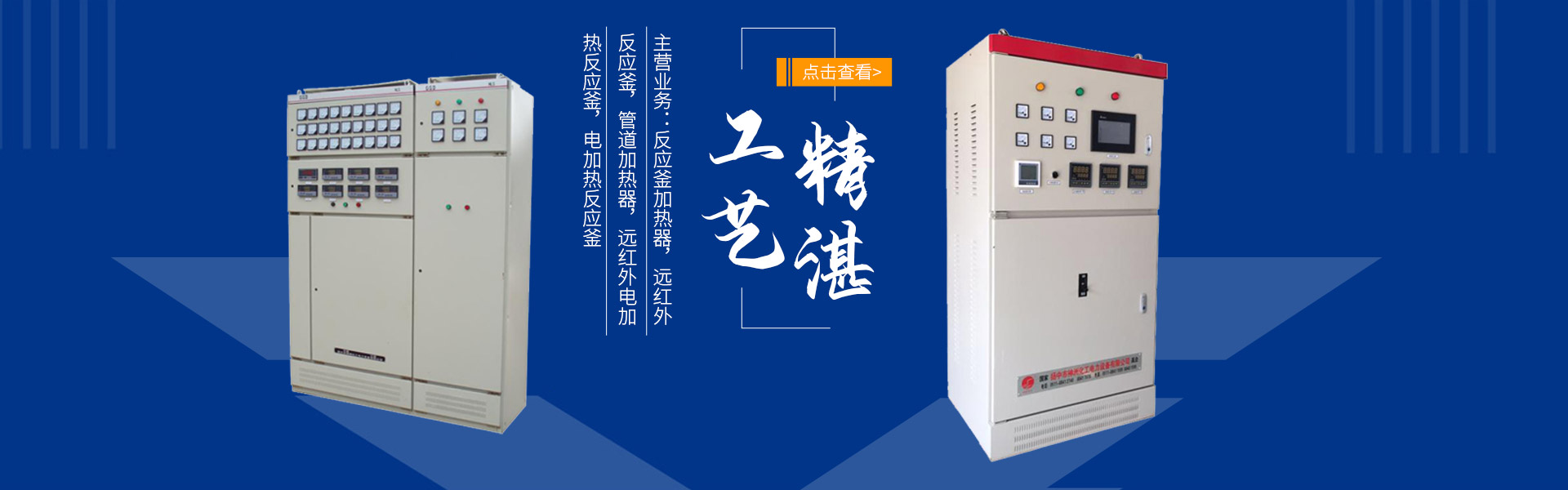
The operating temperature of the aluminum alloy heating unit can be used within 650°C, with a wide range of applications; the heating unit has a high degree of automation, enabling communication and interlock with DCS or PLC/DP.
Remote control for reduced labor intensity and enhanced economic benefits.
Performance
The BTF-J/M series far infrared heating devices meet the explosion-proof performance standards of GB3836.1-2010 "General Requirements for Electrical Equipment Used in Explosive Gas Atmospheres, Part 1" and GB3836.2-2010.
"Explosive Gas Environment Electrical Equipment Part 2: Intrinsically Safe 'd', GB3836.3-2010, and Explosive Gas Environment Electrical Equipment Part 3: Increased Safety 'e', GB3836.3-2010."
GB3836.,9-2006 "Electrical Equipment for Explosive Gas Atmospheres – Part 9: Enclosed electrical equipment, "m" type," regulations. Inspected by the National Quality Supervision and Inspection Center for Explosion-Proof Electrical Appliances.
Qualified inspection, obtained the "Ex-proof Qualification Certificate" and "China National Compulsory Product Certification". Suitable for reaction vessels within crude oil, high-quality oil, ethylene, materials, etc., as a heating medium.
For heating purposes, areas within the factory designated as Zone 2, where explosive mixtures of Class II T1~T2 hazardous gases with air are present, as well as explosive dust atmospheres.