

Based on the pathways of noise transmission, different noise reduction measures can be implemented to control noise levels.
For airborne sound transmission, common measures typically include sound absorption, sound attenuation, and sound insulation.
2. For solid sound conduction, vibration isolation and reduction measures must be implemented. Improper control measures usually fail to achieve the desired results, whereas reasonable control measures can yield ideal outcomes.
(1) Acoustic Measures
Acoustic absorption measures are commonly used to reduce reverberation in indoor spaces. When sound waves strike the surfaces of acoustic materials installed or suspended on ceilings, walls, or within the space, they enter the pores of these materials. This causes the air within the pores and the fine fibers of the material to vibrate. Due to friction and viscous resistance, the sound energy is converted into heat and absorbed, dissipating the sound. The better the acoustic performance of the absorption material and the larger the area, the more effective the noise reduction.
For standard rooms, noise reduction can achieve 3~8 dB. If the room's original sound-absorbing performance is poor, a noise reduction of 8~12 dB can be achieved.
(2) Sound Dampening Measures
The silencer is primarily used to reduce noise transmission within pipelines. A silencer is a device that allows air or water flow while attenuating noise, typically installed in pipelines or at inlets and outlets, capable of reducing dynamic noise transmitted from the air or water flow.
There are many types of mufflers, which are generally categorized by their noise reduction principles into resistive mufflers, resistive composite mufflers, microperforated plate mufflers, dissipative mufflers, and others.
The resistive silencer is a commonly used type of silencer. It is an absorptive silencer, which utilizes the conversion of sound energy into thermal energy and dissipates it by friction and viscosity resistance within a porous and interconnected sound-absorbing material, thereby achieving the purpose of noise reduction.
Dissipative silencers are used to reduce injection noise, and they mainly include small-hole injection type, throttle pressure reduction type, porous diffusion type, and their composite types. The characteristic of this type of silencer is to reduce or control noise from the sound source.
(3) Soundproofing Measures
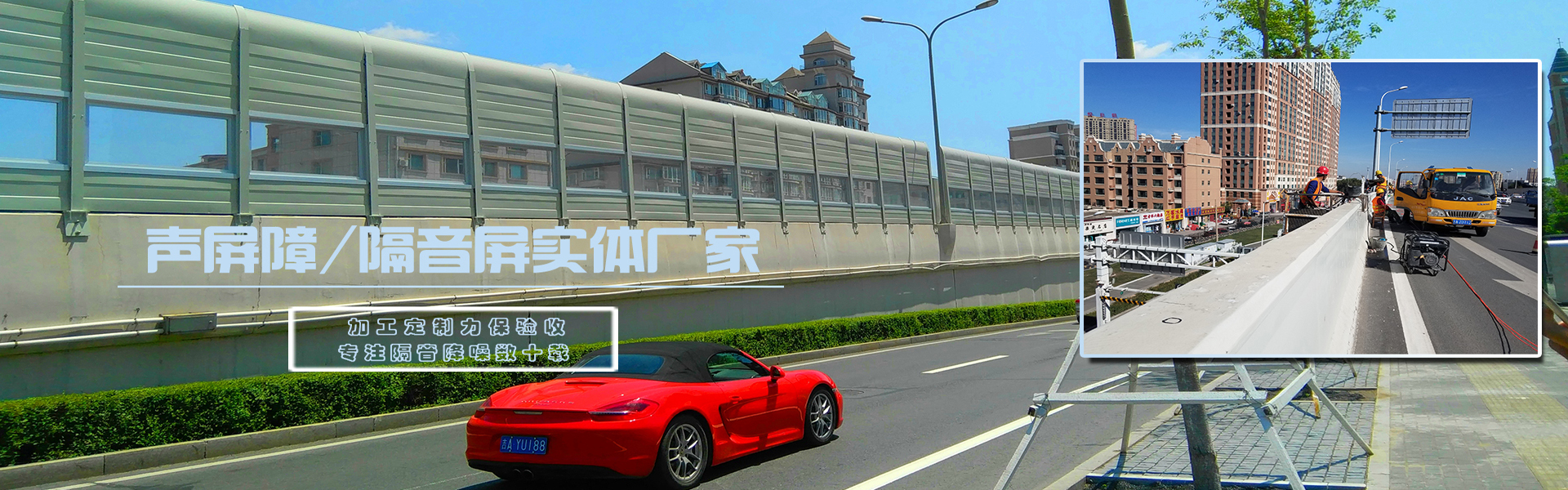
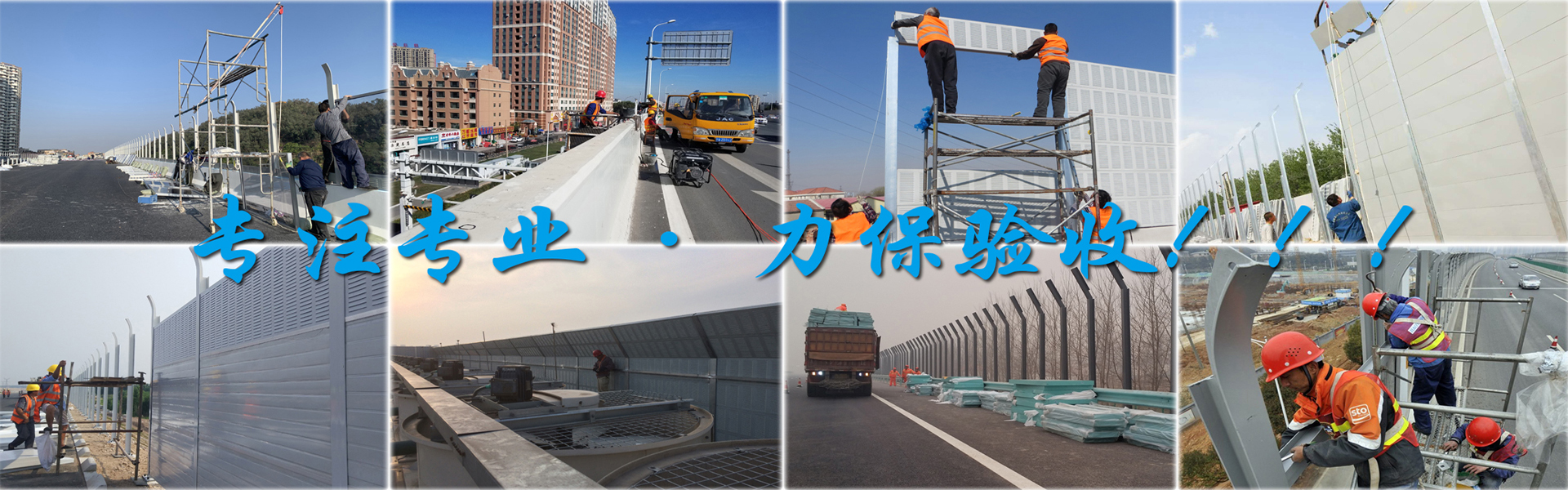
Soundproofing involves using dense, heavy materials to construct components that block or enclose noise within a space, isolating it from the surrounding air. Soundproofing measures include soundproof booths, enclosures, screens, doors, and windows. Soundproofing is effective against airborne sound transmission but ineffective against sound conducted through solids.
(4) Vibration Isolation and Damping Measures
Noise generated by the operation of machinery and equipment can spread in two ways: one is through the air, known as airborne sound; the other is when the sound source excites the vibration of solid components. This vibration, in the form of elastic waves, radiates noise outward through the foundation, factory floors, walls, and surfaces of the equipment, which is referred to as solid sound. Solid sound can travel a considerable distance with minimal attenuation as the distance increases. Vibration-induced solid sound transmitted outward from the foundation can be controlled using vibration isolation methods, while noise radiated outward from the equipment surfaces can be controlled using damping vibration reduction techniques.
Note: Ideal solutions for noise control can be found for machinery equipment, road traffic, industrial plant noise, and more. This is why finding a noise control company is essential to reduce and manage noise levels.


