


Bridges inevitably sustain various structural damages over their long-term use. Bridge inspections are essential for assessing the actual conditions of bridges, and they hold two significant meanings: Firstly, through detailed and in-depth on-site inspections of the bridge's usage status, defects, and damages, we can clearly identify the nature, location, severity, and development trends of the defects and damages. This helps in finding the causes of these issues, analyzing and evaluating their impact on the bridge's performance and load-bearing capacity. It also provides timely and targeted information for maintenance, reinforcement, and改造 design.
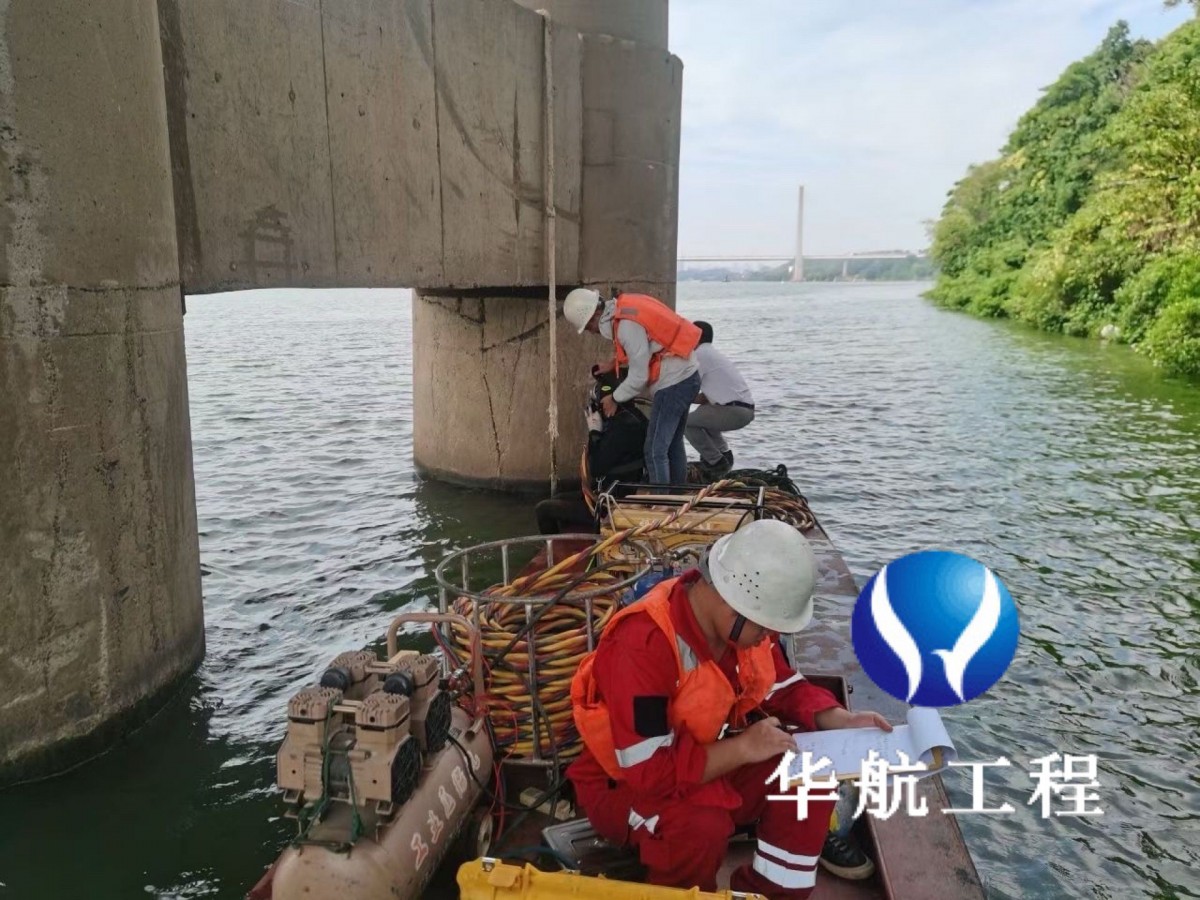
Secondly, through the inspection of bridges, systematically collect current bridge technical data, accumulate technical information, providing necessary conditions for enriching the bridge database, strengthening scientific bridge management, and enhancing bridge technical levels; by reasonably designing inspection methods, supplemented with the deployment of long-term monitoring equipment, gradually establish a bridge health monitoring system to ensure long-term safe operation of the bridges, thereby maximizing their economic and social benefits.
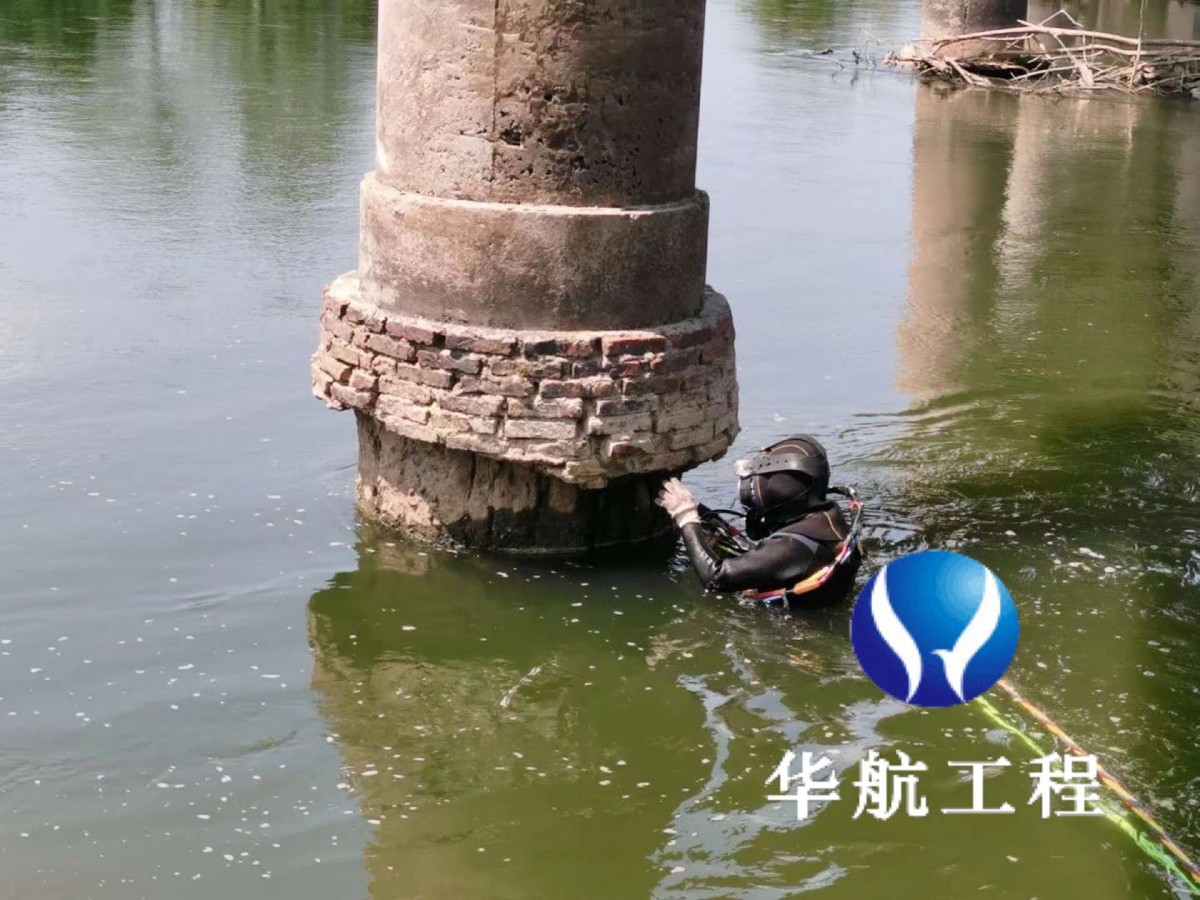
Bridges can be broadly categorized into superstructure, substructure, and appendages. The superstructure, primarily in beam bridges, refers to the main beam. The substructure includes piers, abutments, foundations and capstones, and piles. Appendages consist of deck surfacing, railings, expansion joints, etc. Each component has its own load-bearing characteristics and common disease patterns. If non-standard diseases are present, a thorough study should be conducted to identify the root cause. The superstructure inspection includes the concrete strength, carbonization depth of the hollow slab beams, and the condition and distribution of cracks in the beams. The substructure inspection covers the condition and distribution of cracks in the pier and abutment, as well as the weathering, flaking, cracking, misalignment, sinking, and horizontal displacement or rotation of frame piers. The deck system inspection includes deck surfacing, sidewalks, railings, drainage facilities, and expansion joints. The main checks include: cracks, flaking, depression积水, holes, waves, and bulges in the deck surfacing; flaking and damage to sidewalks and curbs; impact damage, loosening, cracking, sagging, arching, tilting, and concrete cracking in the railing system; damage, blockage, and leakage in the deck drainage facilities; and the condition and functionality of expansion joints. The bearing inspection includes the integrity of the bearing function, completeness and cleanliness of components; the condition of the base, beam bottom, and roller concrete; welding of the deck plate and tooth plate; and the occurrence of cracks, misalignments, and voids. For rubber bearings, checks include aging, deformation, and failure.
