





Operation of the flipping equipment must be conducted only after reading the random operation manual or completing safety training provided by our trained personnel.
Operators must carefully inspect the workpiece after placing it on the flipper table to ensure it is securely positioned and properly aligned with the table surface. Confirm the placement before proceeding with the operation.
Prohibitions include using workpieces that exceed the surface area or the maximum load capacity of the flipping equipment.
Prior to each use, inspect the mechanical and electrical components, as well as the protective devices, for integrity and reliability; ensure that parts like the chain or motor transmission are secure, the flipper's grounding, limit switches, and emergency shut-offs are functioning properly.
Before operating the flipper, ensure the work area is clear of obstructions and unauthorized personnel. If any are found, clear them immediately and instruct them to leave the work area. The work surface should be free of debris. Operators can remotely control the machine through a wired handle or remote control.
During startup, perform a point operation to check if all transmission components and control systems are functioning properly. Proceed with use only after confirming there are no issues. In case of any anomalies, immediately shut down the machine and notify the maintenance personnel for inspection. Do not attempt any unauthorized repairs.
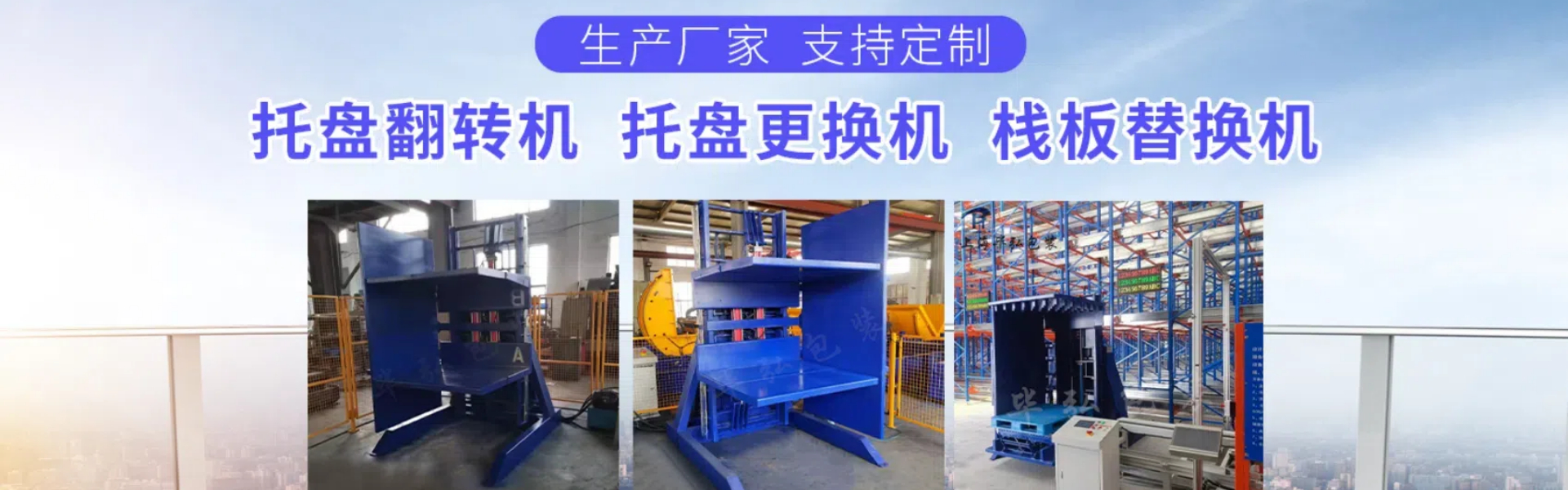
The 90-degree flip machine consists of two tables, A and B, with a 90-degree angle between them. After a 90-degree flip, the workpiece can be removed using a forklift or overhead crane.
Do not insert any limbs into the flipping machine when placing or lifting parts.
During operation, operators should pay close attention and immediately press the emergency stop button or shut off the main power switch in case of an emergency.
At the completion, cessation of work, or during maintenance, turn off the main power switch.
