
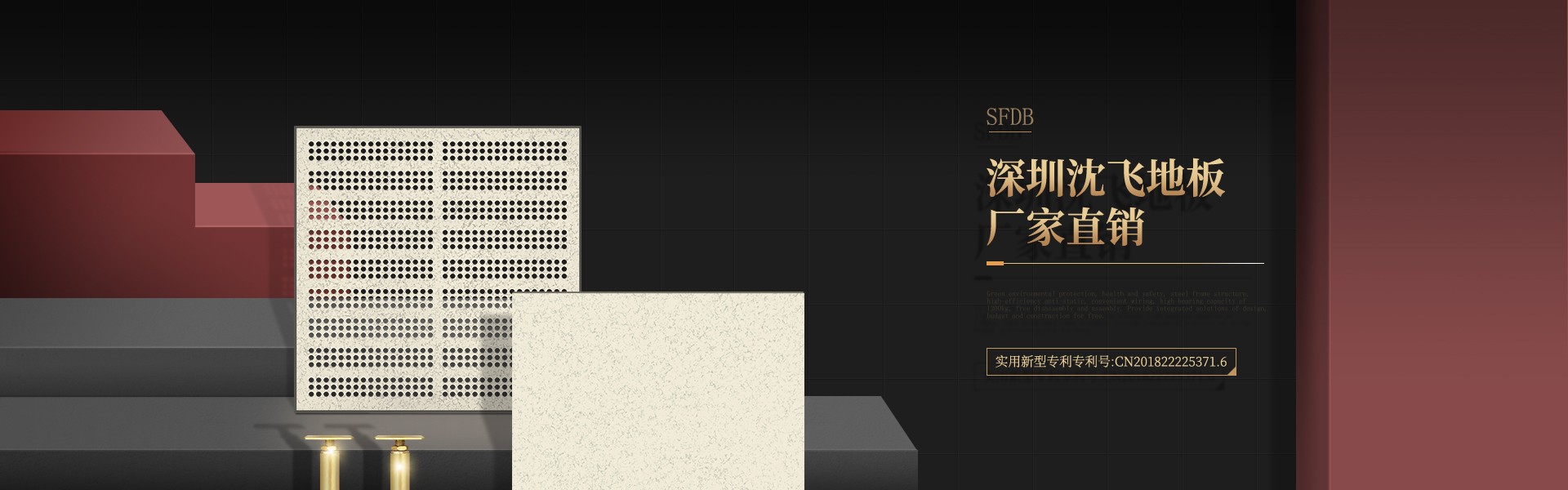
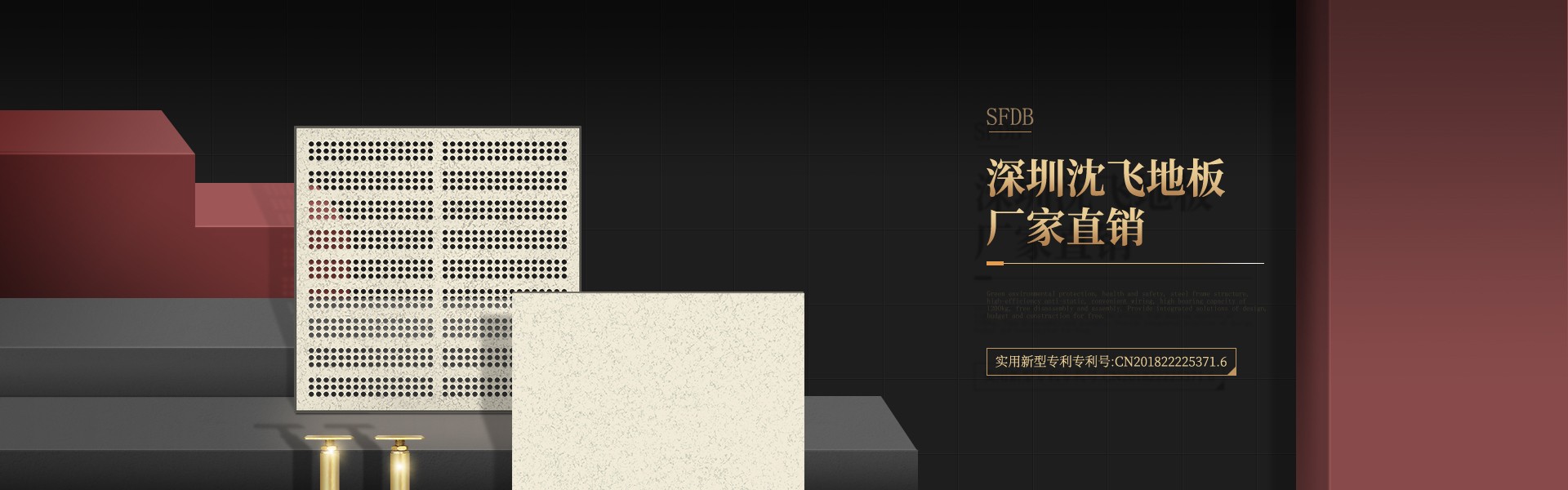

Anti-static flooring, also known as dissipative static flooring, is a type of floor that allows charges to dissipate when grounded or connected to any lower potential point, characterized by a resistance ranging from 10^5 to 10^9 ohms. According to Section 8.3.1 on page 20 of the "GB50174-2008 Code for Design of Electronic Information System Rooms": the surface resistance or volume resistance of anti-static flooring or ground should be between 2.5×10^4 and 1.0×10^9 ohms.
Static electricity in computer rooms is part of the safety and protection category for data centers. Issues caused by static are not only difficult for hardware personnel to identify but can also lead software staff to mistakenly believe it's a software fault, resulting in chaos. Furthermore, when static discharges through the human body to computers or other devices (also known as "sparks"), at a certain energy level, it can cause a sensation of being shocked (such as sometimes when touching a computer monitor or case).
Be sure to perform static-dissipative grounding and connect to a protective resistor box after laying the anti-static flooring; otherwise, it will not serve its static-dissipative function.
