

Application Scenario:
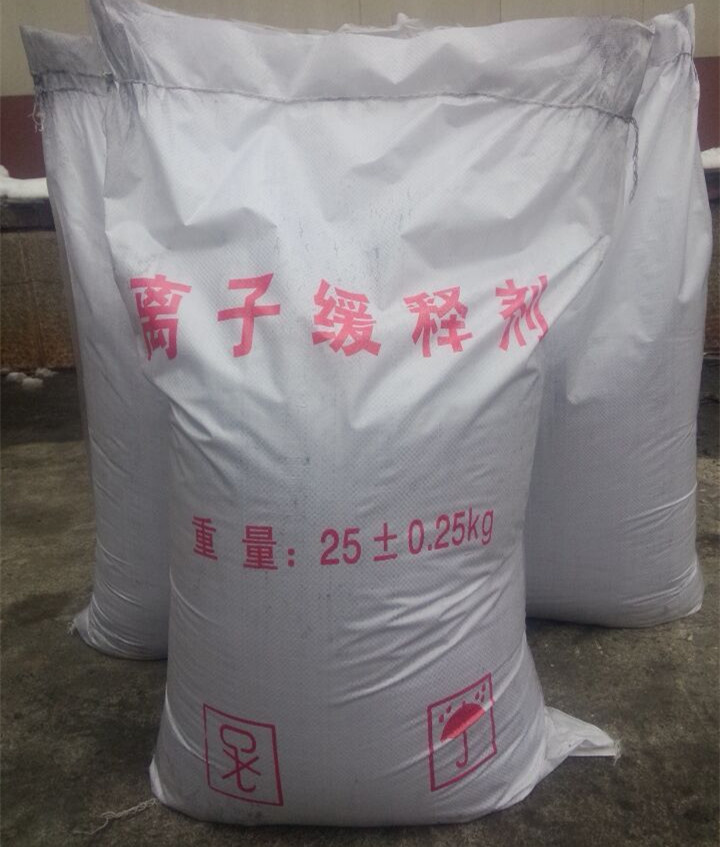
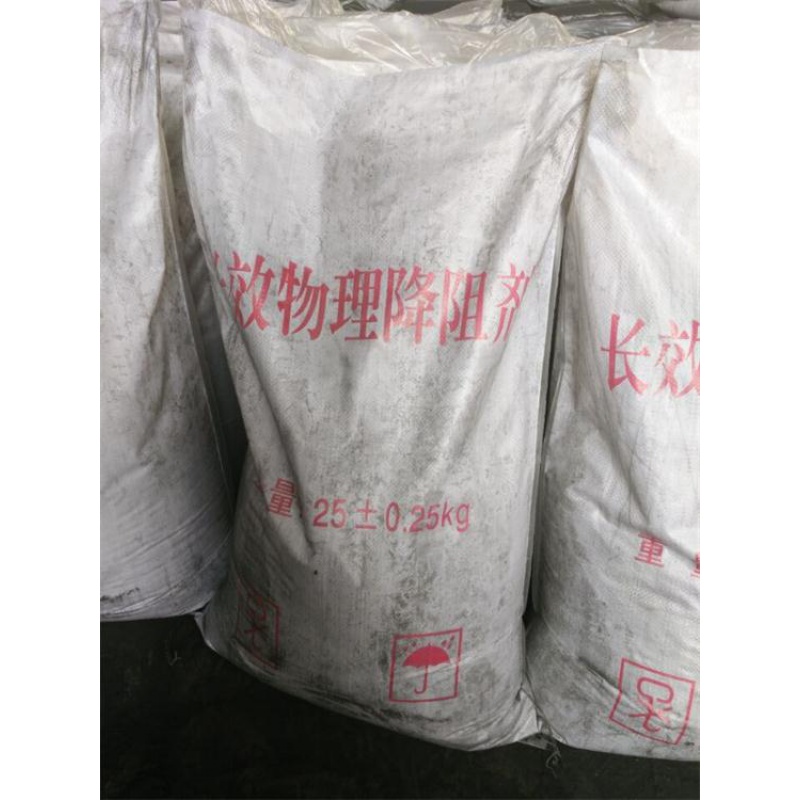
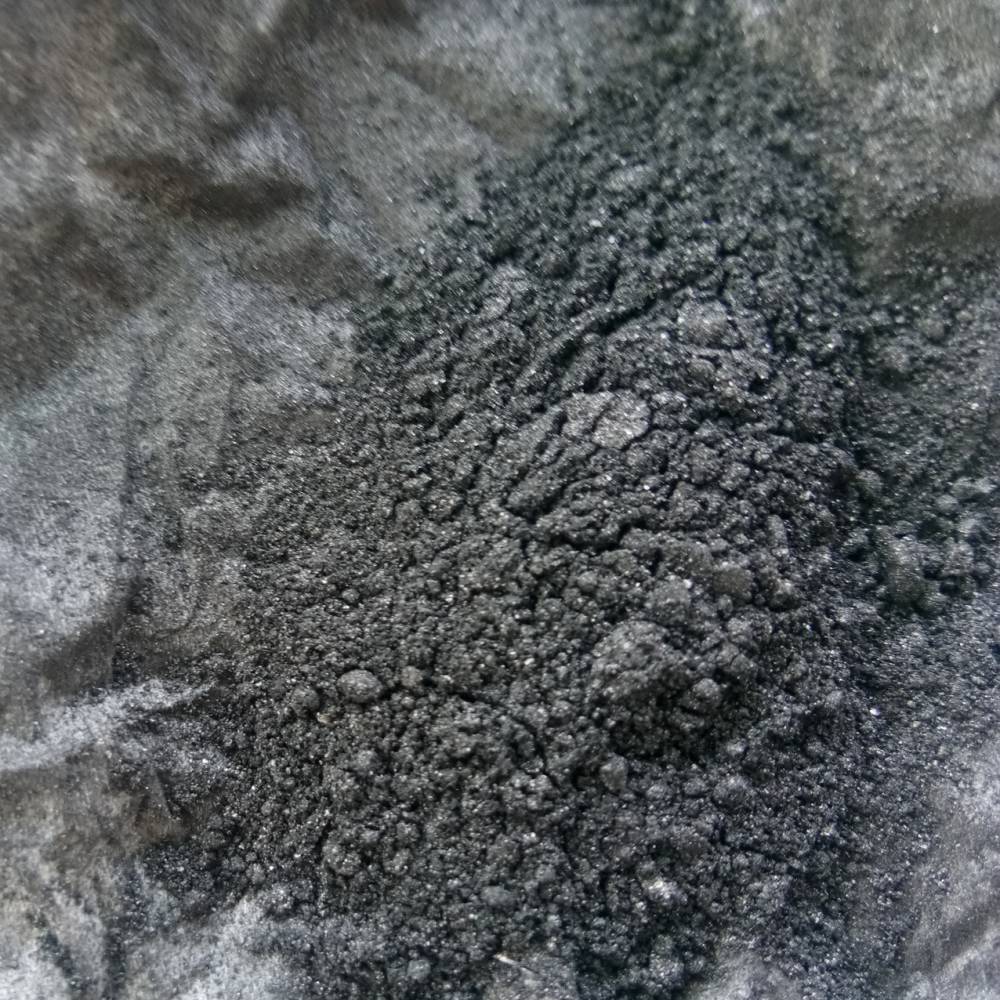
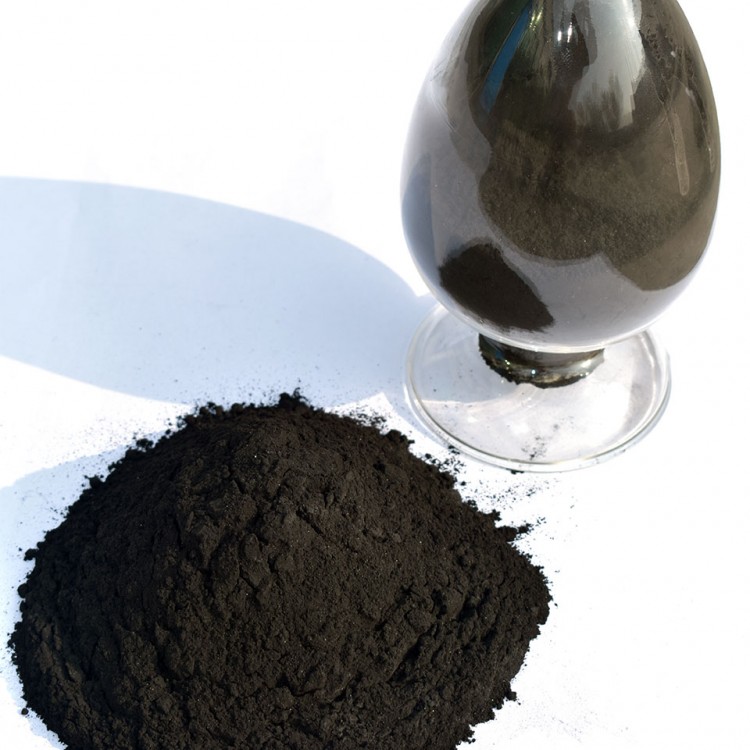
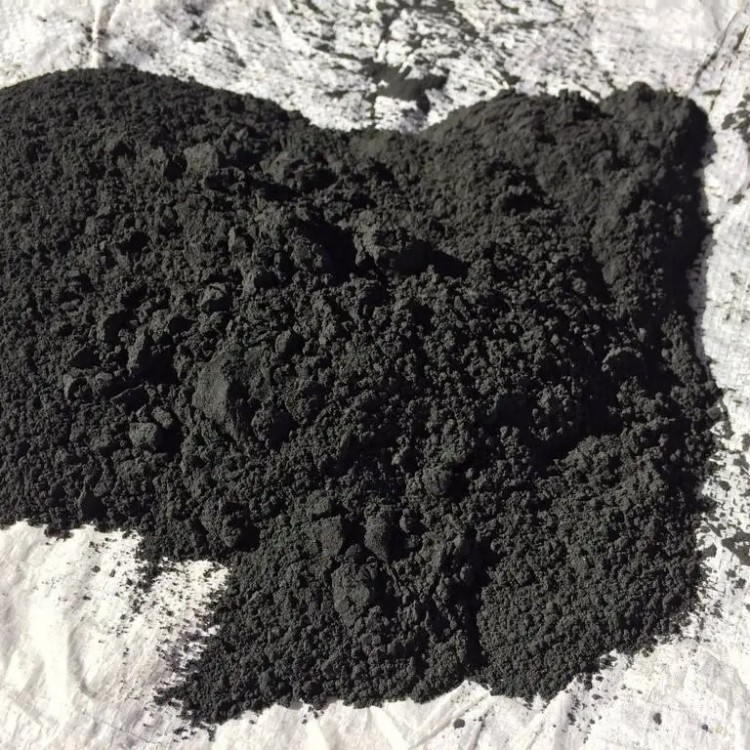
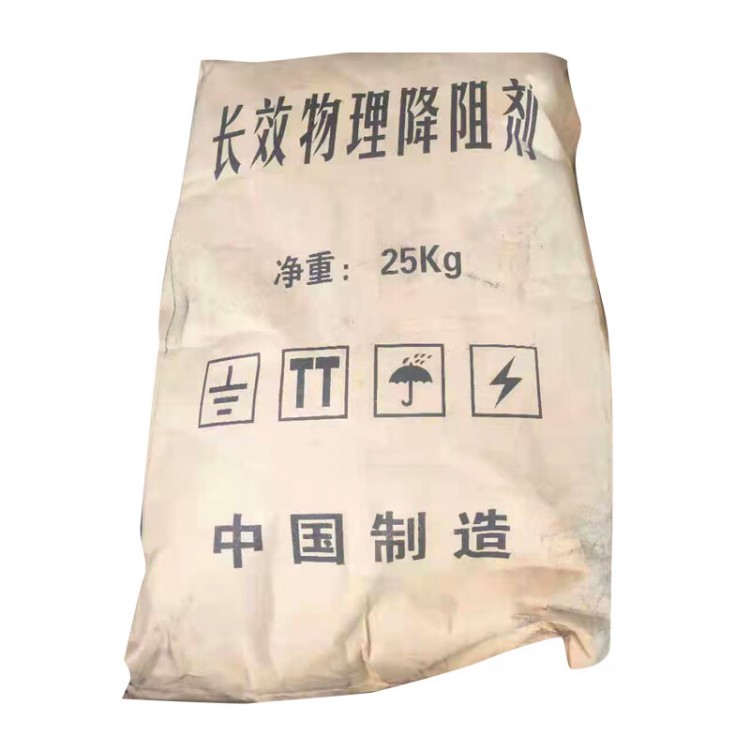
A ground resistance reducer is a physical grounding material that primarily consists of graphite and other additives. It contains stable conductive components, chemical electrolytes, metal passivation rust inhibitors, and moisture retainers, among others. The advantages of ground resistance reducers include reduced construction workload, the ability to use horizontal grounding rods instead of difficult-to-install vertical ones, ease of construction, overcoming constraints in construction sites, significant metal material savings, long-lasting and stable performance, excellent corrosion resistance, minimal impact from climate, and good overall technical and economic benefits. Ground resistance reducers are mainly used in electrical grounding systems in industries such as power, telecommunications, construction, broadcasting, television, railways, highways, aviation, water transport, metallurgy and mining, coal, oil, chemicals, textiles, culture and education, publishing and printing, etc. The use of ground resistance reducers does not cause corrosion, pollution, toxicity, or any side effects to personnel, the environment, groundwater resources, or grounding rods.
Model and Specifications:
SWL-1、SWL-I、GD-200K、IEA-EBI、YF-J、GJ-F、ZGJ-ZA
Features:
a) Excellent expansion property: The backfill material is placed around the grounding body, after expansion, it ensures a tight contact between the grounding body and soil, and enhances the soil's conductivity around it.
After the grounding resistor is wrapped around the grounding body, it not only provides durable protection for steel and copper grounding bodies but also significantly expands the grounding body's spread area. Upon close contact with the soil, the resistor forms a stable low-resistance layer in conjunction with the soil through its conductive penetration function, thereby greatly reducing the grounding resistance.
Utilizes conductive inorganic silicate materials, categorized as a physical-type resistance reducer.
High mechanical strength and stable physical and chemical properties; provides durable rust protection for metallic conductors.
Long-lasting, corrosion-resistant, non-toxic, and environmentally friendly.
Equipped with anti-theft and rain washout prevention features for grounding grids.
Service life exceeds 30 years.