

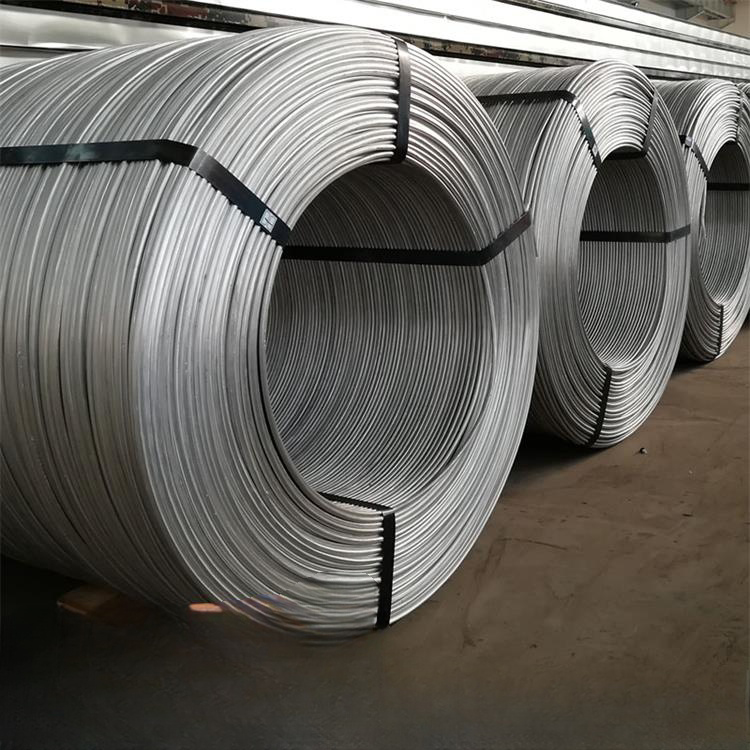
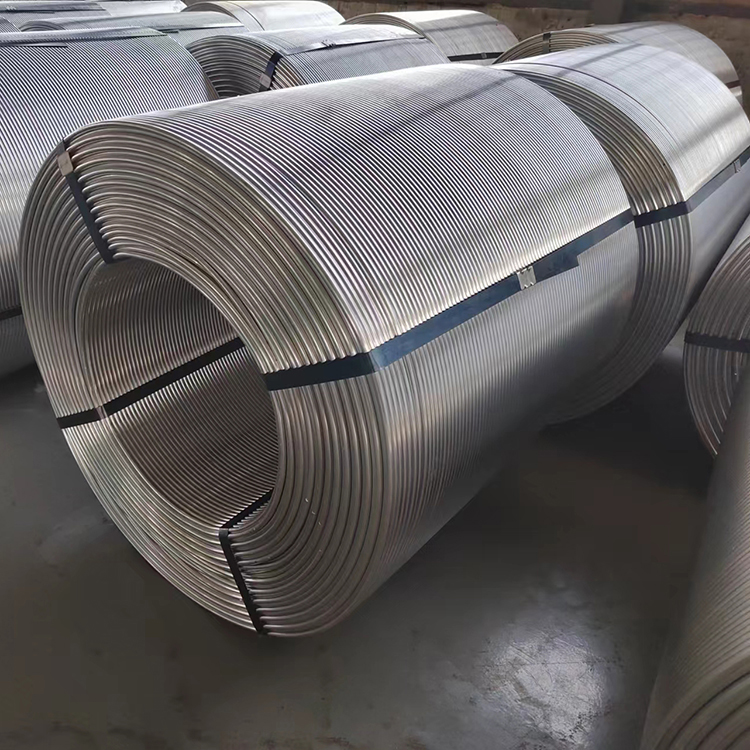
Application Scenario:
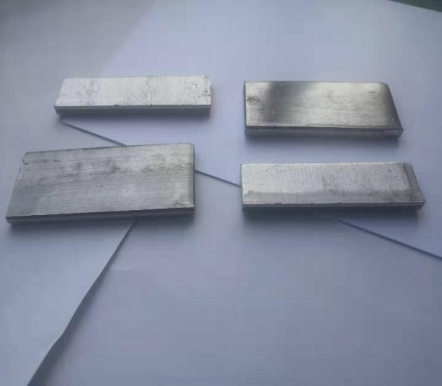
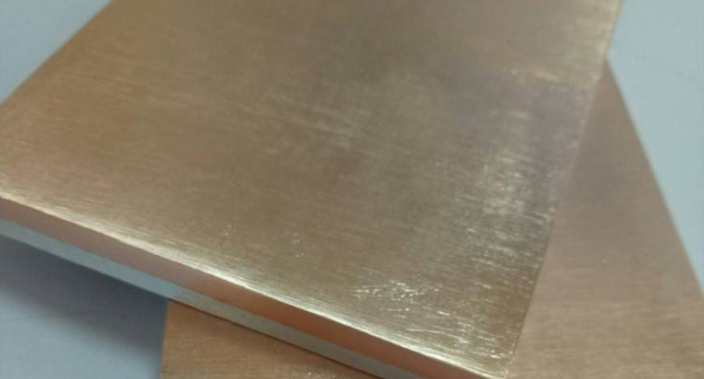
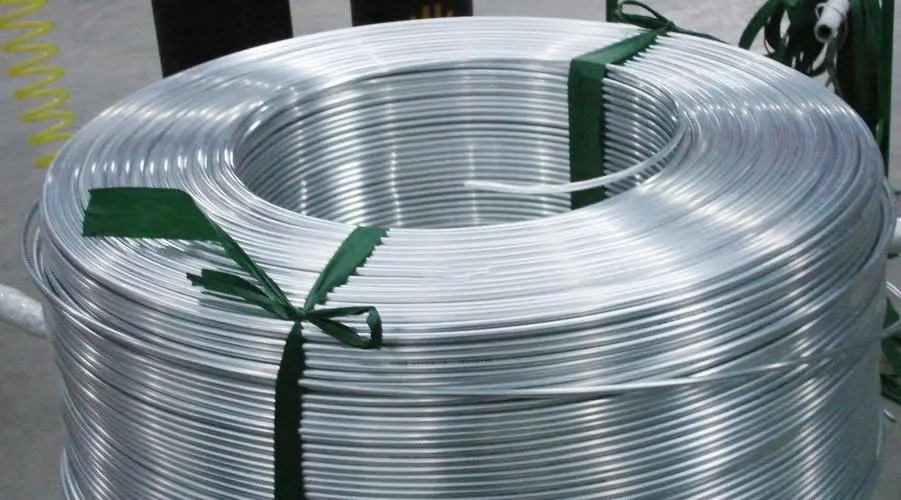
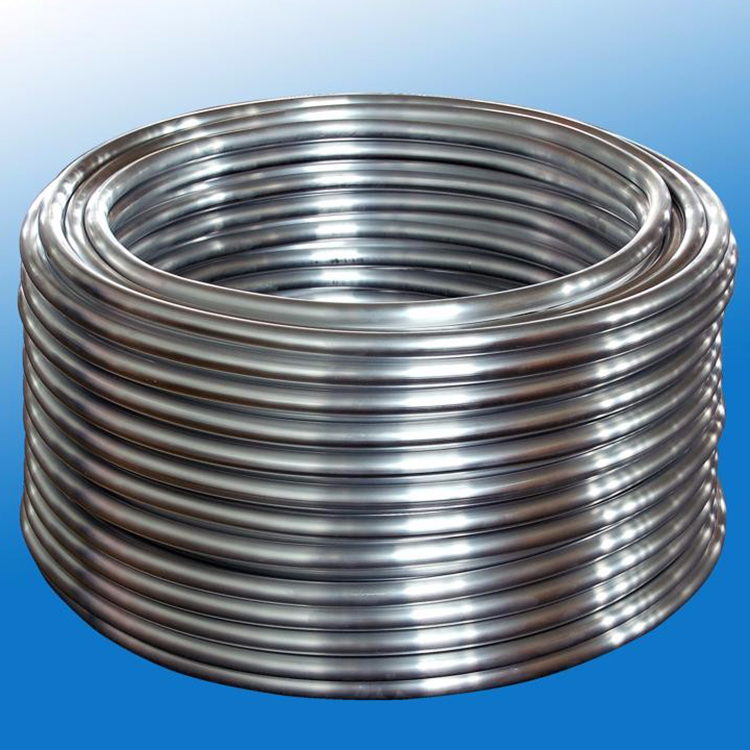
In an era of rapid technological advancement, a plethora of new materials emerge, providing robust support for the development of various industries. Among them, rare earth aluminum copper alloys, as a metal material with high performance, high conductivity, and high corrosion resistance, have been widely applied in many fields. Particularly in the grounding field, the application of rare earth aluminum copper alloys holds significant importance. They are primarily used in: transmission and transformation line projects, solar photovoltaic projects, wind power generation projects, and other energy projects.
Model and Specifications:
20-HJJDJ
78/5-HJJDB
78/5-YJ
HT-25-HJJDJ
240-HJJDS
113-HJJDB Rare Earth Alloy
HT-78/5-HJJDB
78/5-SKJDB
113-SKJDB
200-SKJDS
240-SKJDS
250-SKJDS
360-SKJDS
160-SKJDS
132-SKJDB
25-SKJDJ
20-SKJDJ
20/125-SKJDJ
12
10
25
50
Features:
Rare earth alloy grounding materials boast characteristics such as superior corrosion resistance, excellent electrical conductivity, high tensile strength, and good environmental performance compared to traditional grounding materials. Therefore, their economic benefits over long-term use are very significant. Firstly, rare earth alloy grounding materials have a long service life, reducing the frequency of replacement and thereby lowering maintenance costs. Secondly, their superior electrical conductivity can effectively reduce energy loss and save energy. Additionally, their good environmental performance minimizes pollution and lowers treatment costs. In summary, rare earth alloy grounding materials offer considerable economic benefits.
Product Advantages:
High corrosion resistance
Rare earth alloy grounding materials are highly corrosion-resistant, a notable feature of theirs. Due to the strong chemical stability of rare earth elements, these grounding materials maintain excellent performance in various harsh environments. Whether in damp soil or in high-temperature, high-salinity conditions, the rare earth alloy grounding materials retain stable conductivity, effectively preventing corrosion and damage to the grounding system. This corrosion-resistant advantage has led to the widespread application of rare earth alloy grounding materials in the power, communication, and construction industries.
Superior electrical conductivity
Rare earth alloy grounding materials exhibit excellent electrical conductivity, which is a significant reason for their widespread attention. Rare earth elements have high electrical conductivity, making the electrical conductivity of rare earth alloy grounding materials far superior to traditional metals like copper and iron. Additionally, the electrical conductivity of rare earth alloy grounding materials maintains good temperature stability, with no significant decline in performance even under high-temperature conditions. This superior conductivity makes rare earth alloy grounding materials highly valuable in power systems and communication equipment applications.
High tensile strength
Rare earth alloy grounding materials exhibit an exceptionally high tensile strength, a key feature that sets them apart from traditional grounding materials. The tensile strength of rare earth alloy grounding materials can reach several, even dozens of times that of steel. This high strength characteristic allows the materials to maintain stable performance under the impact of high currents, effectively preventing fractures and damage to the grounding system. Additionally, the high tensile strength of rare earth alloy grounding materials also means they are less prone to deformation during use, ensuring the stability and reliability of the grounding system.
Four: Excellent environmental performance
Rare-earth alloy grounding materials offer excellent environmental performance, which is a significant reason for their popularity. Rare earth elements are widely distributed in the Earth's crust, and their extraction causes minimal environmental damage. As a result, the production of rare-earth alloy grounding materials generates less waste and pollutants, reducing their impact on the environment. Moreover, these materials have a long service life, reducing the frequency of replacements and thereby lessening environmental impact. This environmental advantage makes rare-earth alloy grounding materials highly promising for applications in fields with stringent environmental requirements.