

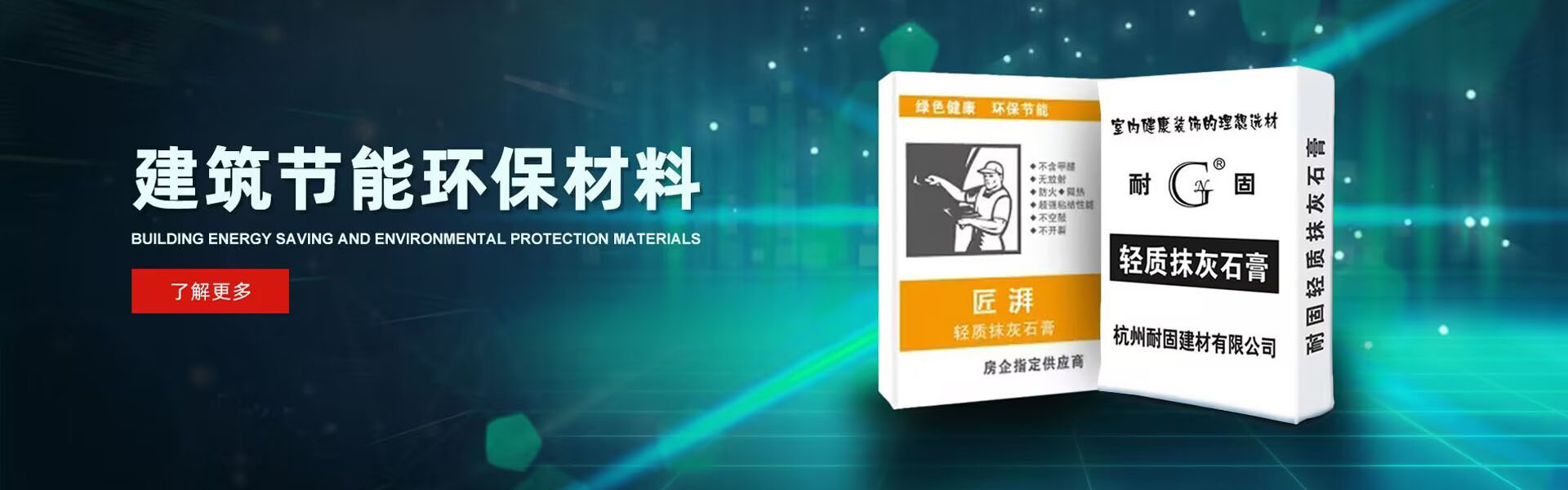


When renovating homes, lightweight plaster gypsum is commonly used, which is more durable than cement. Next, let's introduce what lightweight plaster gypsum is.
What is Lightweight Gypsum Plaster?
This plaster is a high-performance building wall material suitable for various wall decorations. It can replace cement, lime, and other plastering materials, offering strong adhesion, resistance to falling off, ease of application, quick drying, and excellent environmental performance.
How to Apply Lightweight Gypsum Plaster
1. Basic Treatment
When performing lightweight plastering with gypsum, ensure the base is clean and level, then apply a primer layer to the wall.
2. Add mesh fabric
For walls that are relatively weak, mesh fabric can be added. Before adding the mesh, the base layer must be inspected to ensure it meets the requirements, and the thickness of the mesh added should not be less than 5mm.
3. Gray Cake Production
When applying the gray cake, treat the wall's porous areas. Perform cross and vertical line treatments with each construction. The thickness of the construction can determine this. For the corners, ensure the gray cake extends to the edge for a single molding of the corner.
4. Springing
During the reinforcement process, it is crucial to strictly adhere to construction requirements. Before reinforcing, check that structural gaps and other areas meet the standards. For any sections that do not meet quality requirements, timely treatment is necessary. Additionally, the reinforcement materials must be mixed evenly, ensuring that the concrete reinforcement is full and that diagonal cuts must be left at the joint areas for easy reinforcement connection.
5. Tone Adjustment
For areas without the tendons reaching full extension, a tendinous repair should be conducted to ensure the quality of the tendon work. For rough edges on both sides of the tendons, they can be smoothed using a planer blade.
6. Lightweight plaster gypsum wall leveling
When applying lightweight plasterboard to the wall, ensure the surface remains smooth to prevent hollows at the joint with the reinforcement.
7. Fixing
Once the lightweight plastering gypsum is applied and scraped onto the wall, it must be measured and staff should be arranged to make repairs. Any rough or erroneous areas on the surface should be fully patched.
8. Clean-up
After repairs are completed, the construction area should be cleaned to maintain cleanliness and order.
