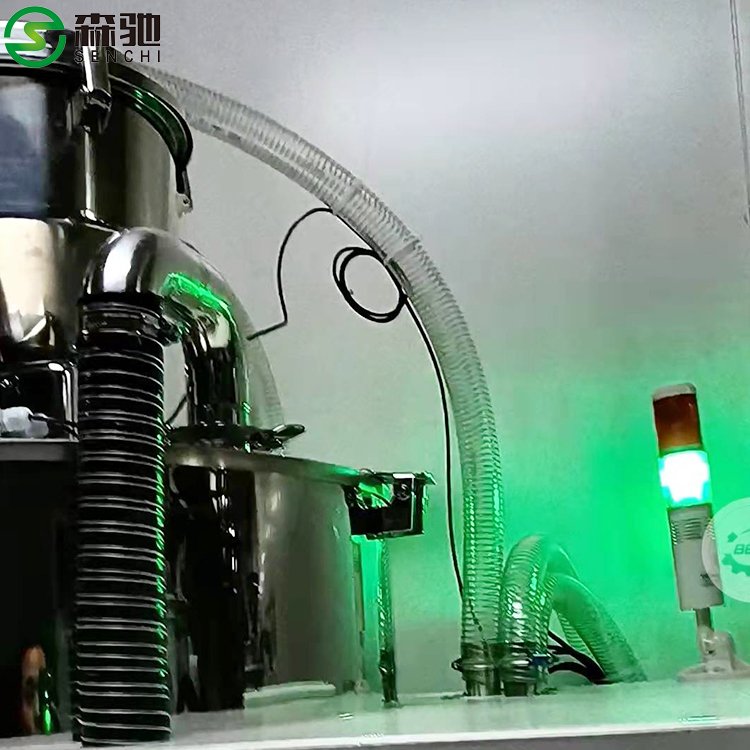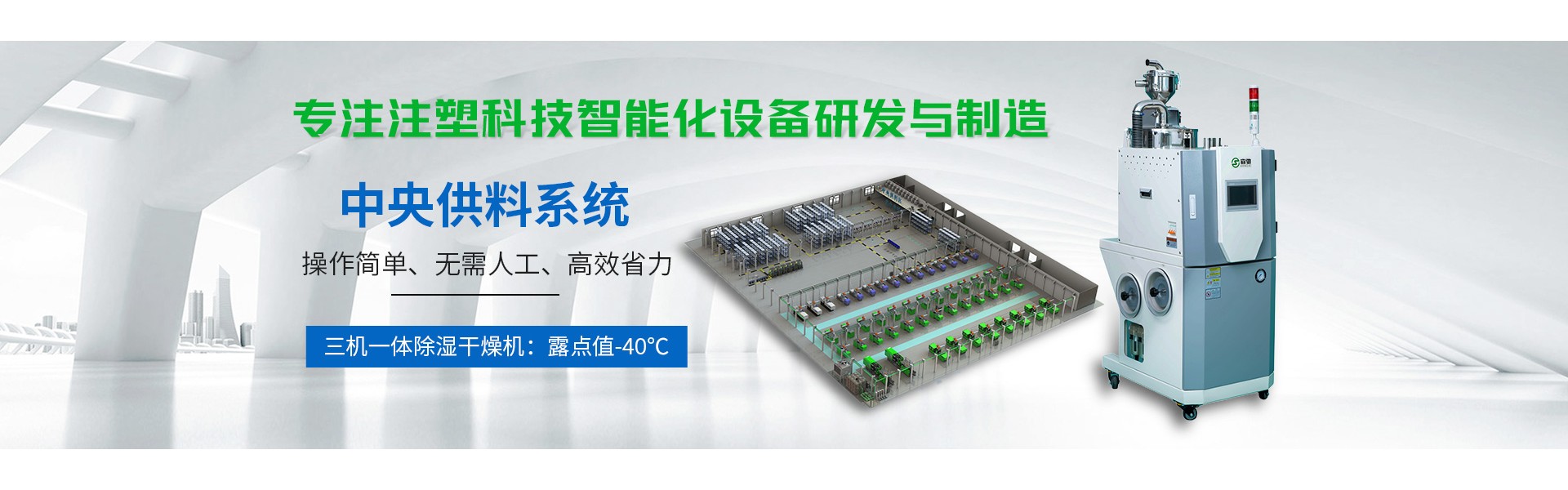
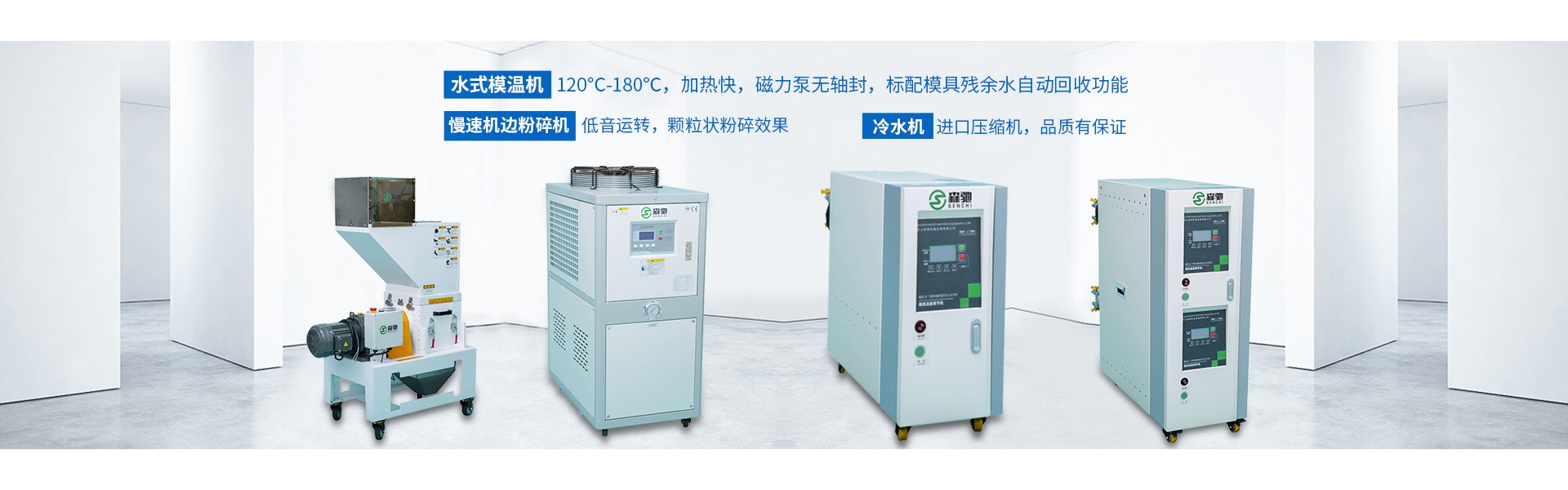


In food production and processing, the temperature and humidity of gases pose significant risks to the yield, quality, and appearance of the product. With a wide variety of food types and differing drying methods, accelerating the rate of moisture removal, reducing drying time, enhancing the quality of dried foods, and conserving energy during the drying process have always been key research topics in food drying studies.
Food dehydration involves numerous processing methods, most of which rely on air circulation and sunlight to achieve the goal of dehydration, but are constrained by natural conditions and cannot guarantee food hygiene and safety. The use of mechanical ventilation, heating, and drying significantly improves production standards. However, during the processing of classified animal products, oil污 air oxidation can occur, causing the surface to turn yellow and develop a sweet taste, thus reducing product quality. Vacuum pump low-temperature drying is commonly used for the processing of natural foods. Temperature and humidity control dryers simulate winter conditions, offering ultra-low temperature drying, high wind speed, rapid dehydration, and a unique processing method that also produces flavor.
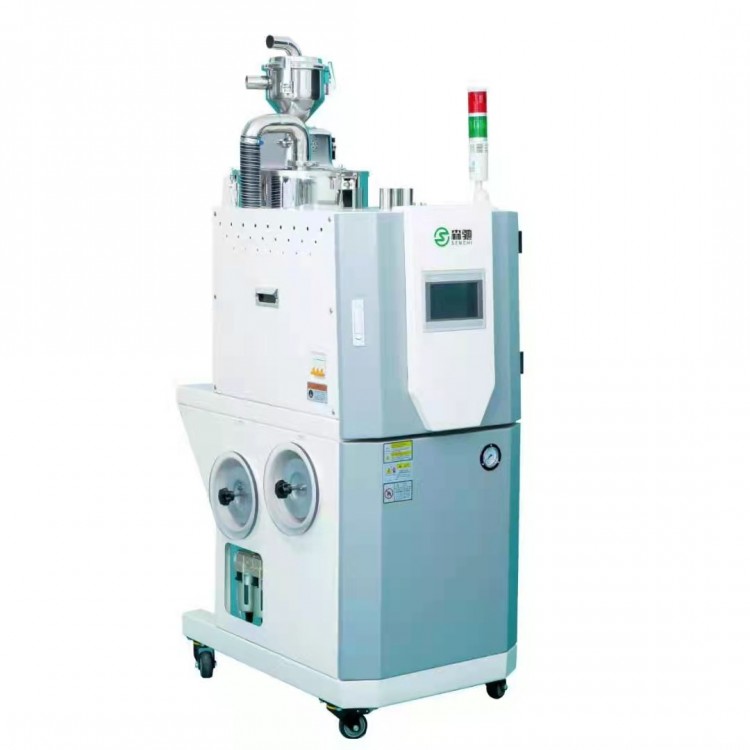
To ensure uninterrupted production throughout the year, dehumidifying dryers can create an ultra-low temperature, low-temperature drying, and high-velocity natural environment, akin to outdoor conditions in winter. By simulating the corresponding natural environment based on the temperature and humidity range for food drying, the aim is to convert processed food without regard to region or time.