
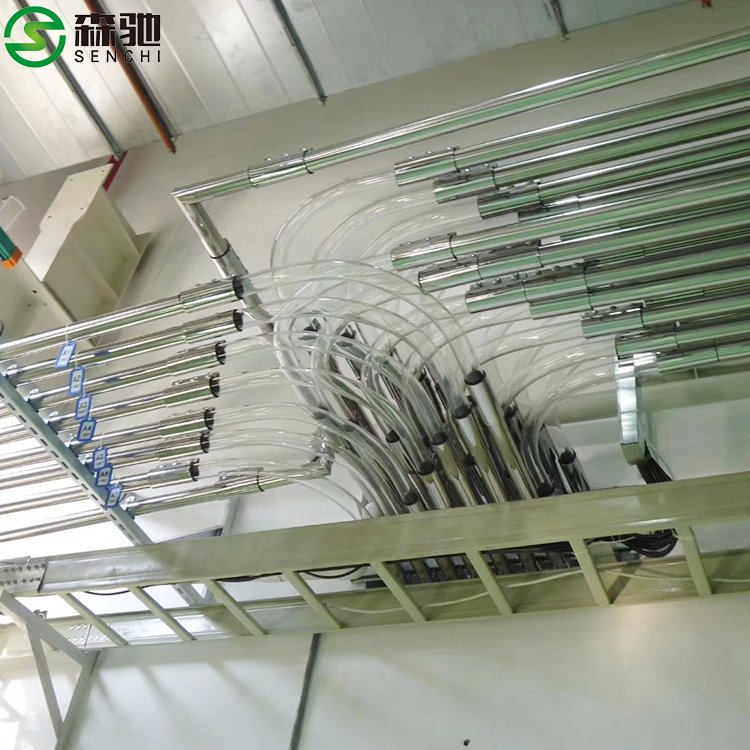
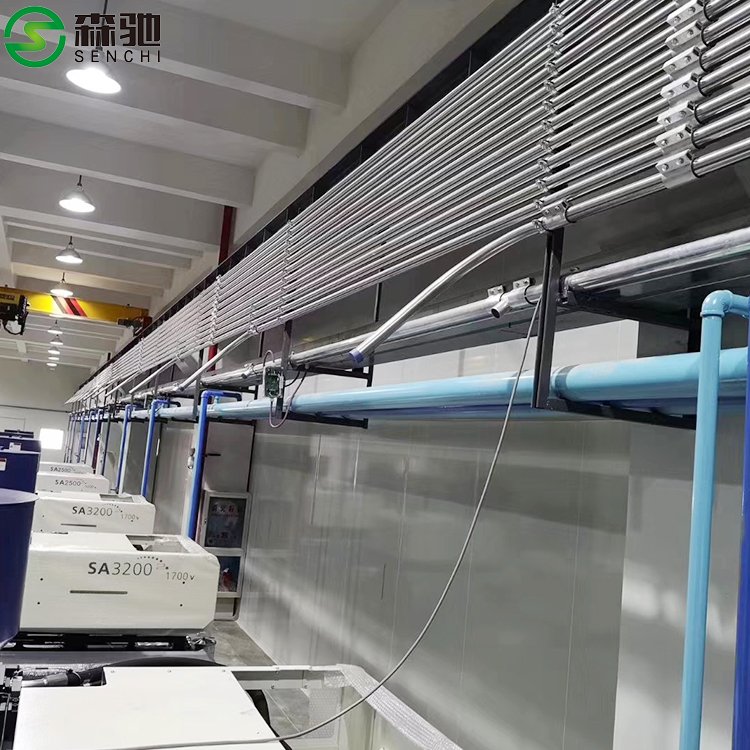
1. During operation, pay attention to the temperature of the rolling bearings in the central feeding system. Ensure the rolling bearings maintain good lubrication, and also check for any abnormal sounds from the speakers or oscillations. If an anomaly is detected, it should be shut down to inspect whether it's due to a non-breakable item jamming or damage to the central feeding system.
2. Before starting the material intake machine, it should be manually rotated a few times to ensure the transmission system is functioning smoothly. Only after confirming its flexibility should the central feeding system be gradually activated. It is also necessary to wait until the central feeding system is operating normally before feeding material. 3. To maintain uniform feeding of the plastic central feeding system products and avoid overloading, strictly prohibit items like metals and wood that cannot be crushed from falling into the machine. If materials cannot be crushed, the moisture content of the incoming material should not be too high; during wet crushing, an appropriate amount of water is required to prevent blockages due to insufficient water flow and to reduce production volume.
4. The safety devices of the central feeding system must maintain stability and must never be rendered ineffective for the sake of convenience.
5. Components worn on the central feeding system should be replaced or repaired immediately.
6. When shutting down the central feeding system, check if the fixed screws are secure and assess the wear level at susceptible areas. Paying attention to this during regular use can make the central feeding system more durable and more economically beneficial to the company.
7. Prior to shutting down the centralized feeding system, it should first stop the feeding process and empty the raw materials from the machine, and then disconnect the motor power supply.
8. Verify if the particle size distribution of the crushed material meets the specifications. If there are too many particles exceeding the required specifications, it is necessary to find the cause (such as excessive sieve gap, overly wide feeding opening, worn hammer heads, etc.) and adopt a reasonable method to solve the problem.