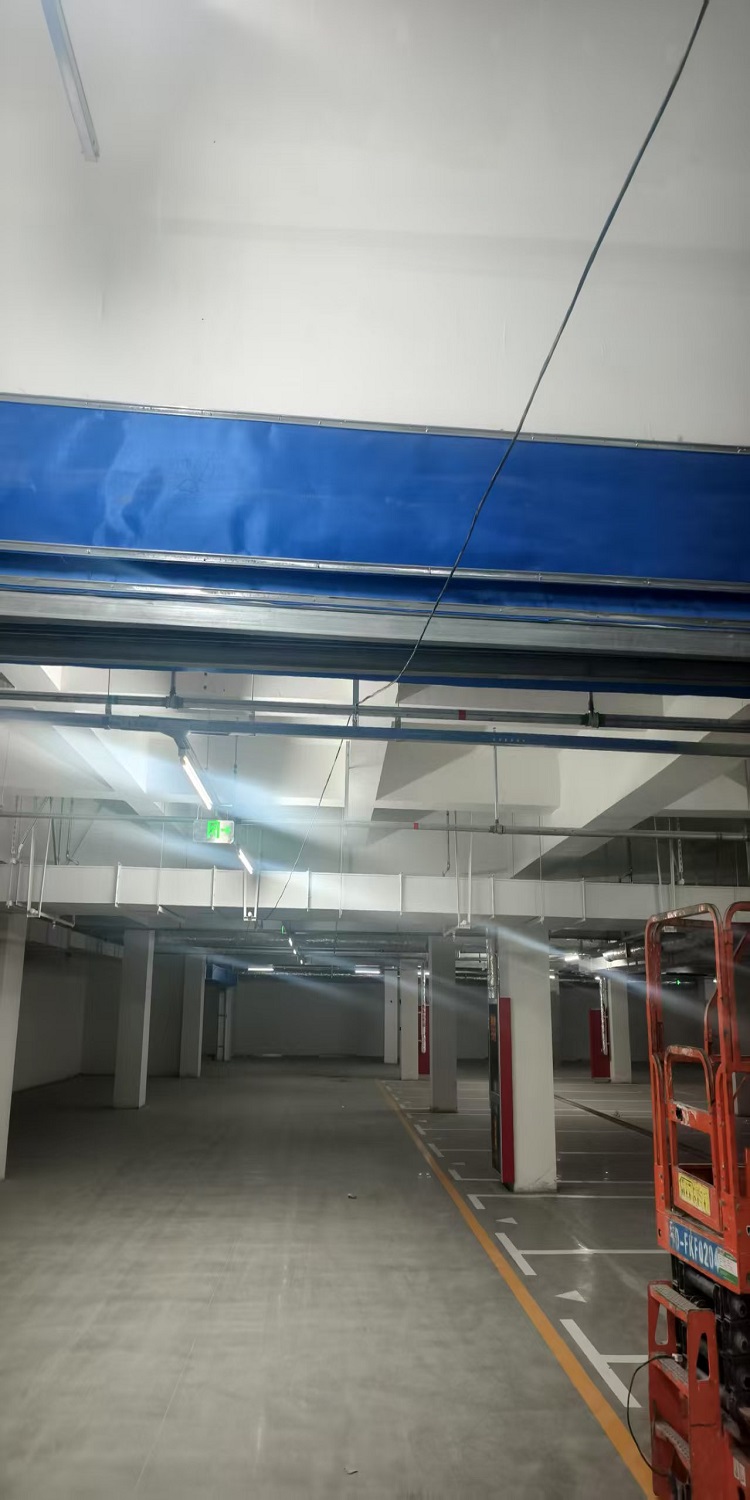

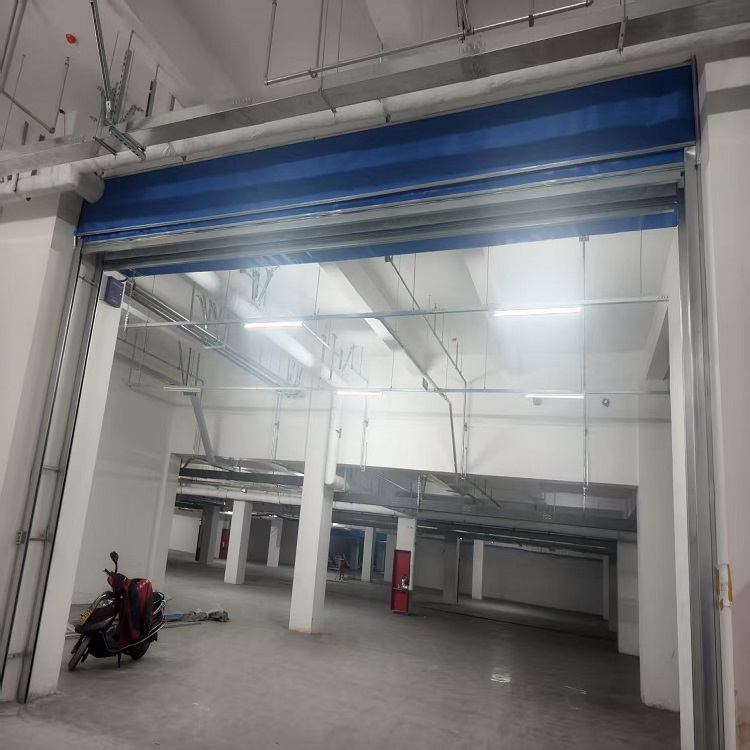
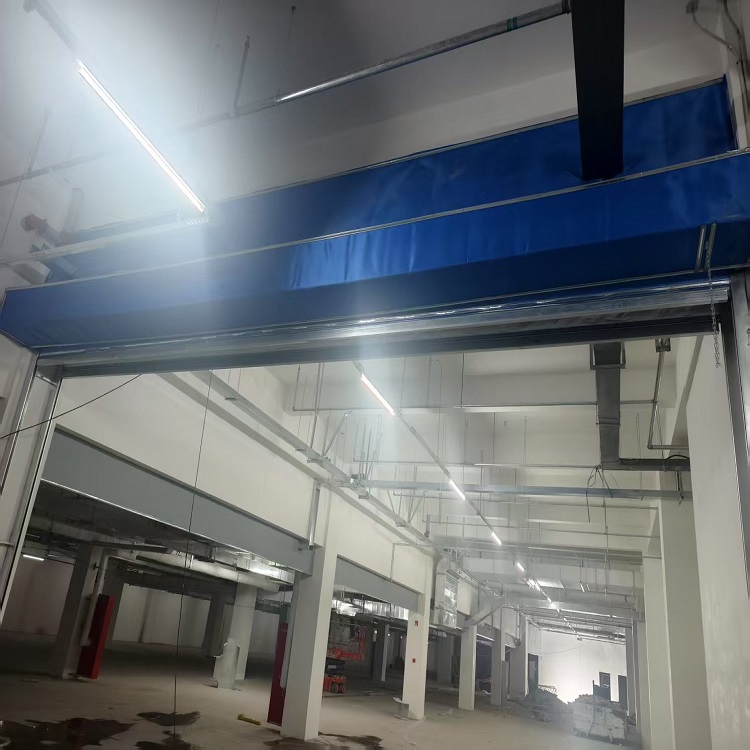

Fire curtain doors are fire and heat-insulating facilities designed for large openings in buildings. Below is a detailed introduction to fire curtain doors:
Fireproof rolling shutter door is a fireproof and thermal insulation facility suitable for large openings in buildings. The following is a detailed introduction about fireproof rolling shutter door:
Key Features
main features
Structurally sound: The fire shutter door features a concealed roller design, resulting in a compact and well-structured overall construction.
Reasonable structure: The fireproof rolling shutter door adopts the feature of concealed scroll, making the overall structure reasonable and compact.
Aesthetically pleasing: The product features a flat and attractive appearance, innovative design, and strong rigidity.
Beautiful appearance: The product has a flat and beautiful appearance, a novel shape, and strong rigidity.
Fireproof Performance: Capable of quickly responding during a fire and sealing windows and door openings, effectively isolating and preventing the spread of flames, playing a crucial role in fire prevention, fire containment, and smoke separation.
Fireproof performance: It can quickly respond and block door and window openings in the event of a fire, effectively isolate and prevent the further spread of the fire, and play an important role in fire prevention, fire isolation, and smoke isolation.
Fire-rated roller shutters are widely used in fire separation areas of industrial and residential buildings, specifically including:
Fireproof rolling shutter doors are widely used in fire-resistant partition areas of industrial and civil buildings, including:
Courtyard fire separation: When fire separation is required between the courtyard and surrounding connecting spaces, fire curtains can be used. Their fire resistance limit should not be less than 3.00 hours and comply with the specified regulations.
Fire separation in the atrium: When fire separation is required between the atrium and surrounding connected spaces, fire-resistant rolling shutters can be used. Its fire resistance limit should not be less than 3.00 hours and comply with the specifications.
Fireproof divisions in civil buildings: In civil buildings, fireproof walls should be used to separate fireproof divisions. If there are difficulties, fireproof roller shutters and other fireproof separation facilities can be employed.
Fire compartments in civil buildings: In civil buildings, fire compartments should be separated by firewalls. If there are indeed difficulties, fire separation facilities such as fireproof rolling shutters can be used.
Factory Fire Divisions: Fire partitions in the factory should be separated by fire-resistant walls. For Class 1 and 2 fire-resistant grade buildings, other than those in Class A, if the area of the fire division exceeds the standard specifications and it is difficult to install fire-resistant walls, fire curtains or fire separation water curtains may be used instead.
Factory fire compartments: Fire walls should be used to separate the fire compartments of the factory. When the building area of the fire compartment of a first or second level fire-resistant factory building, except for Class A factory buildings, exceeds the standard requirements and it is difficult to install firewalls, fire-resistant rolling shutters or fire-resistant partition water curtains can be used.
Warehouse Fire Divisions: Fire partitions within the warehouse are separated by fire-resistant walls. For Class A and B warehouses, fire-resistant walls between fire partitions should not have doors, windows, or openings. For Class C, D, and E warehouses, if there is a need to open due to logistics or other usage requirements, equivalent measures to fire-resistant walls must be used for separation, such as fire doors or fire curtains. The width of the openings is generally controlled not to exceed 6.0 meters, and the height should be kept below 4.0 meters as much as possible.
Warehouse fire compartments: Fire compartments within the warehouse are separated by firewalls. The firewalls between fire compartments in Class A and Class B warehouses should not have doors, windows, or openings. For Class C, D, and E warehouses, in actual use, if there are openings required for logistics and other purposes, measures equivalent to firewalls should be taken to separate them, such as fire doors and fire shutters. The width of the opening is generally controlled to be no more than 6.0 meters, and the height should be controlled as low as 4.0 meters.
Special Area Fire Separation: Certain special areas within the building must be separated from other parts by fire-resistant walls with a fire resistance rating of not less than 2.00 hours. Doors and windows in these walls should be of Class B fire-resistant types. These special areas include Class A and B production areas, areas using Class C liquids within the building, areas with open flames and high temperatures in the factory, rooms with different fire hazard categories within Class A, B, and C factories (warehouses), auxiliary storage rooms within residential buildings, auxiliary rooms backstage in theaters, and public kitchens in dormitory and apartment buildings, as well as vehicle garages attached to residential buildings, excluding kitchens within suites in residential buildings.
Fire separation in special areas: Some special areas within the building should be separated from other areas by fire-resistant partitions with a fire resistance limit of not less than 2.00 hours. Doors and windows on the walls should use Class B fire-resistant doors and windows. These special areas include Class A and B production areas, areas where Class C liquids are used in buildings, areas with open flames and high temperatures in factories, rooms with different fire hazard categories arranged in Class A, B, and C factories (warehouses), auxiliary warehouses in civil buildings, theater backstage auxiliary rooms, public kitchens in dormitories and apartment buildings, kitchens in other buildings, and motor vehicle garages attached to residential buildings, in addition to kitchens in residential buildings.
Additionally, fire curtains are commonly installed at locations such as elevator lobbies, around escalators in atriums and floor corridors, openings connecting corridors, and large process openings in production workshops. In areas where it's difficult to set up firewalls, fire curtains can also be considered to ensure the fire safety of the building.
In addition, fire-resistant rolling shutters are usually installed in elevator lobbies, atrium and floor walkways around escalators, openings that connect to hallways, and large process openings in production workshops. In areas where setting up firewalls is difficult, installing fire-resistant rolling shutters can also be considered to ensure the fire safety of buildings.