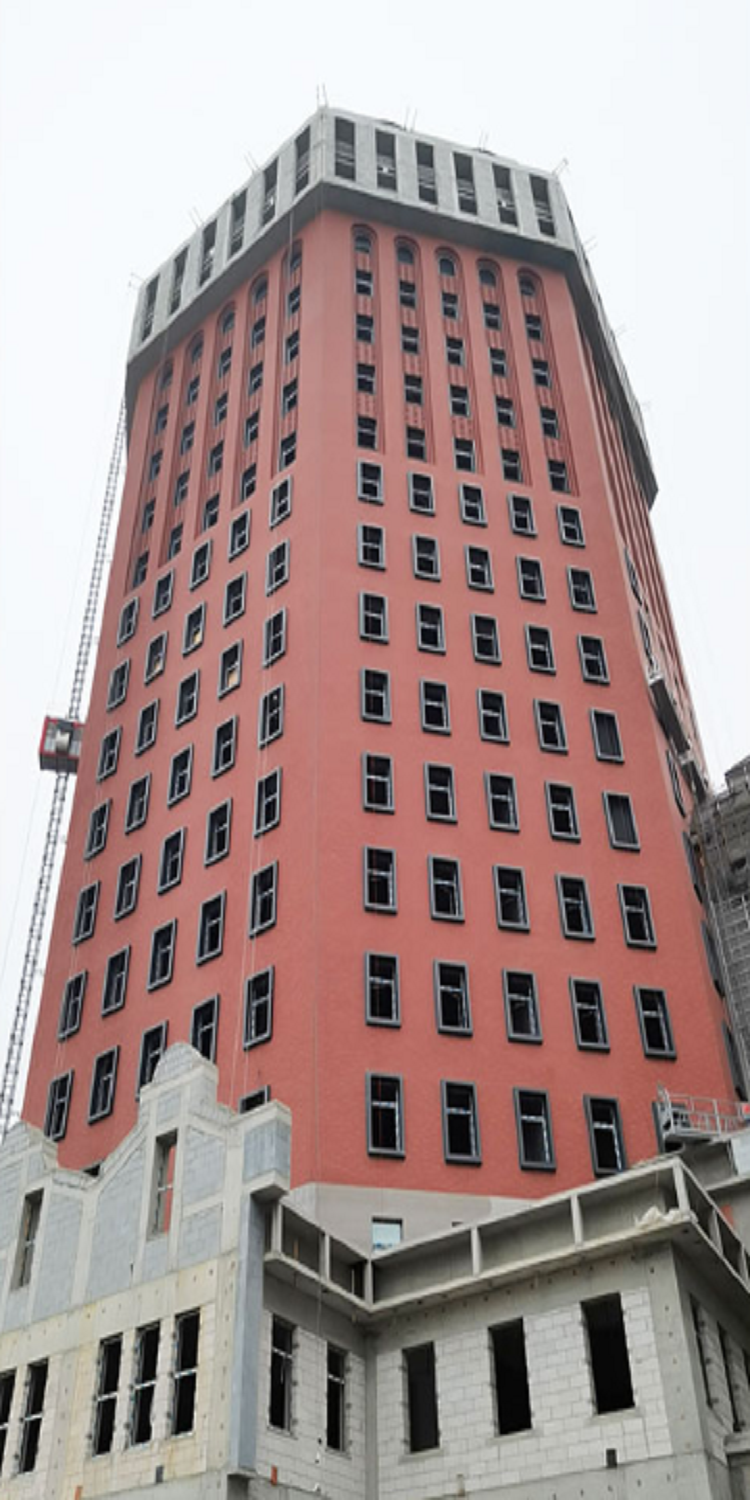

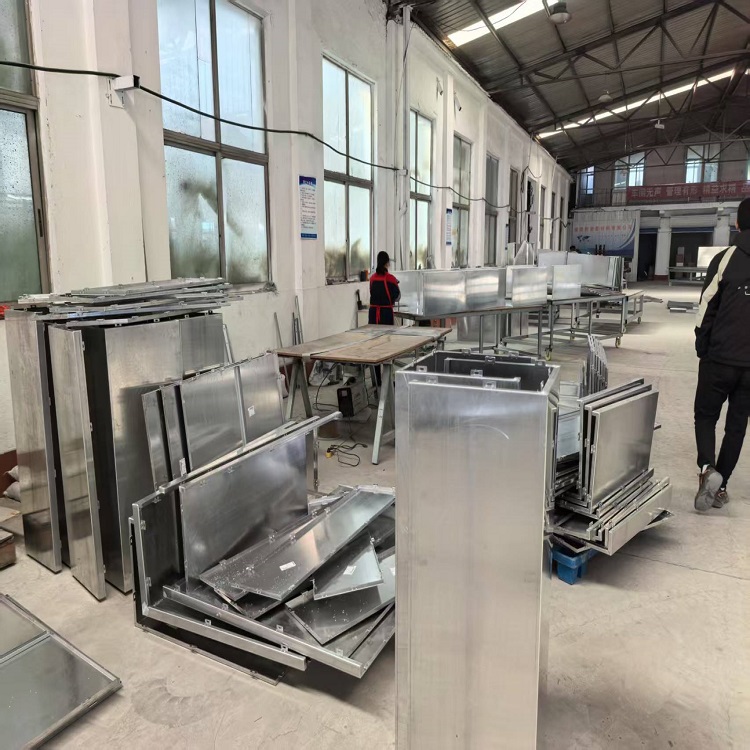
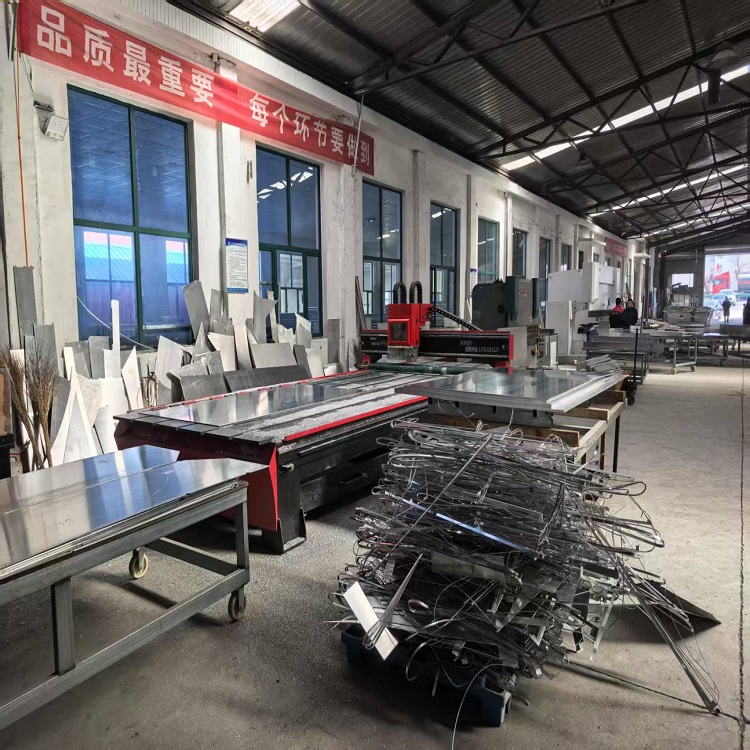

Aluminum composite panel is a special processed decorative building material. Below is a detailed introduction to it:
Aluminum veneer is a specially treated building decoration material. The following is a detailed introduction to it:
Aluminum composite panels refer to decorative building materials processed through chrome plating and other treatments, followed by fluorocarbon coating technology.
Aluminum veneer refers to building decorative materials that have been treated with chrome and then processed using fluorocarbon spraying technology.
Primarily composed of panels, reinforcing ribs, and corner codes, etc., with aluminum alloy plates as the base material. The surface is generally pre-treated with processes like chromating before being coated with fluorocarbon; corner codes can be bent and formed directly from the panels or assembled with rivets on the small edges of the panels.
It is mainly composed of panels, reinforcing ribs, corner brackets and other components, with aluminum alloy sheet as the substrate. The surface is usually treated with pre-treatment such as chrome plating, and then treated with fluorocarbon spraying; Corner codes can be directly formed by bending and stamping the panel, or by riveting corner codes on the small edges of the panel.
The production process of aluminum single boards mainly includes the following steps:
The production process of aluminum veneer mainly includes the following steps:
Select appropriate aluminum sheets based on product specifications and requirements, and proceed with cutting and trimming. Enhance the weather resistance and surface quality of aluminum panels through mechanical polishing, acid pickling, and oxidation processes. Utilize bending, embossing, and cutting techniques to transform aluminum sheets into the desired shapes and sizes. Apply various coating methods to achieve a rich and diverse aesthetic effect on the aluminum panels. Conduct rigorous inspections to ensure precise dimensions, intact surfaces, and perform performance testing and inspections. Pack the aluminum panels carefully using professional materials and equipment, to prevent damage from impacts and external factors.
Select suitable aluminum plates according to product specifications and requirements, and perform cutting and cutting. By using mechanical polishing, acid washing, oxidation and other processes, the weather resistance and surface quality of aluminum veneer are enhanced. By using bending, embossing, cutting and other processes, the aluminum plate is transformed into the desired shape and size. By spraying coatings and other methods, aluminum veneer is endowed with a rich and diverse appearance effect. Strictly inspect the aluminum veneer to ensure its precise size and intact surface, and conduct performance testing and inspection. Using professional packaging materials and equipment, carefully package the aluminum veneer to avoid collisions and external factors affecting the product.
In summary, aluminum composite panel, as a decorative building material, is widely used across various fields. When selecting aluminum composite panels, one should carefully consider their specifications, types, advantages and disadvantages, as well as production processes, to meet specific application requirements.
In summary, aluminum veneer, as a building decoration material, has a wide range of applications in multiple fields. When selecting aluminum veneer, factors such as specifications, types, advantages and disadvantages, and production processes should be fully considered to meet specific usage needs.