
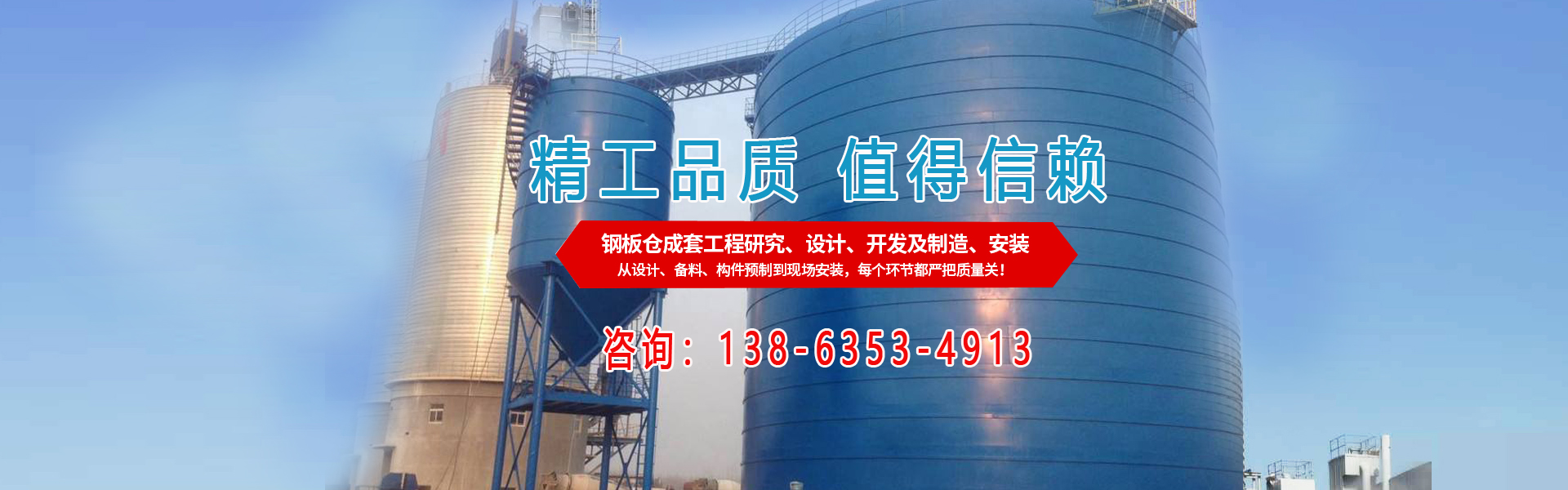

Function of Steel Storage Silos
The Development and Functional Direction of Steel Silo Technology: With its advantages such as large storage capacity, cost-effective investment, land resource conservation, short construction period, and outstanding energy-saving and emission-reduction effects, the steel silo technology has rapidly developed in the benefits of being widely adopted by enterprises in the cement, fly ash, mineral powder, and sand and gravel aggregate industries.
Steel silos are no longer just storage facilities; they are a component of the "logistics" industry. With the adoption of new technologies such as electronic computers, optical counters, and identification devices, the classification, measurement, storage, inventory, packaging, distribution, and delivery of goods are now being automated, transforming steel silos into distribution centers. Due to the widespread use of containers, changes have also occurred in packaging, handling, and transportation tools, forming a logistics system from the steel silo manufacturing plant to the user.
Ensure the smooth progress of social production
Efficient warehousing ensures the storage of materials like cement, fly ash, mineral powder, and sand aggregates during the off-season and their sale during peak seasons, thereby serving as a robust guarantee to meet customer demands.
2. Adjust the time differences in production and consumption between regions, maintaining market stability.
3. The steel plate inventory reflects market information on commodities.Social warehouse inventory decreases and turnover increases, indicating strong demand and consumer confidence.
4. A Key Approach to Reducing Logistics Costs
Steel silos are no longer just storage facilities; they are now a part of the "logistics" system. With the adoption of new technologies such as computers, optical counters, and identification devices, the classification, measurement, storage, inventory, packaging, and distribution of goods are being automated, transforming the steel silos into distribution centers. Due to the widespread use of containers, changes have also occurred in packaging, handling, and transportation methods, creating a logistics system from the steel silo manufacturing plant to the user.
