
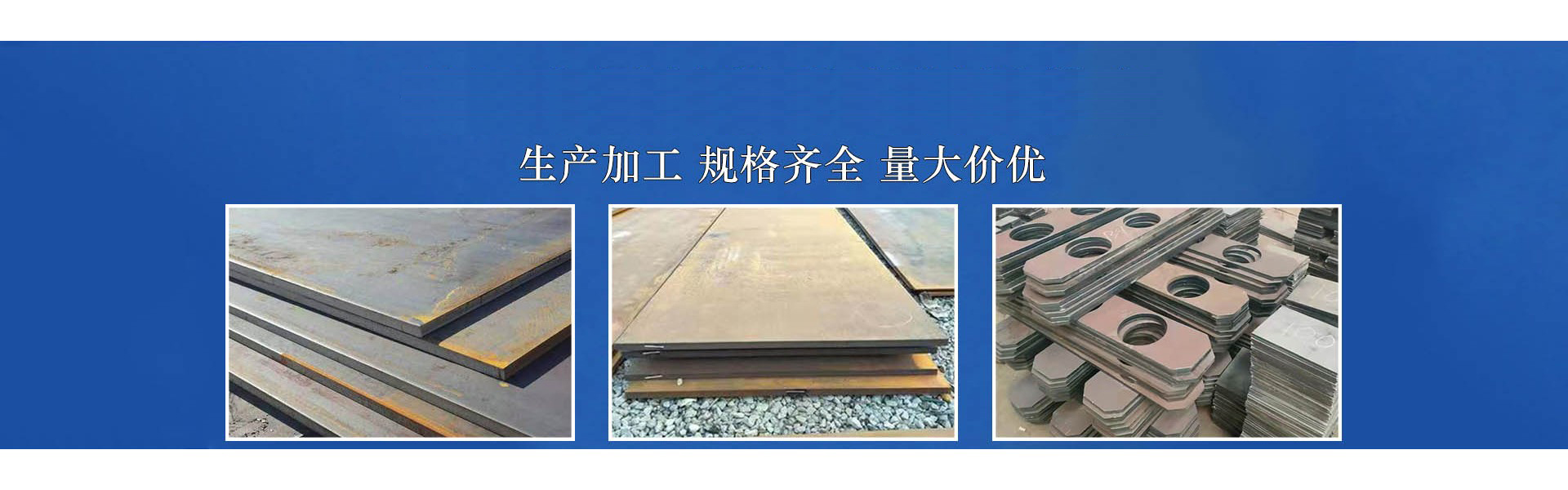

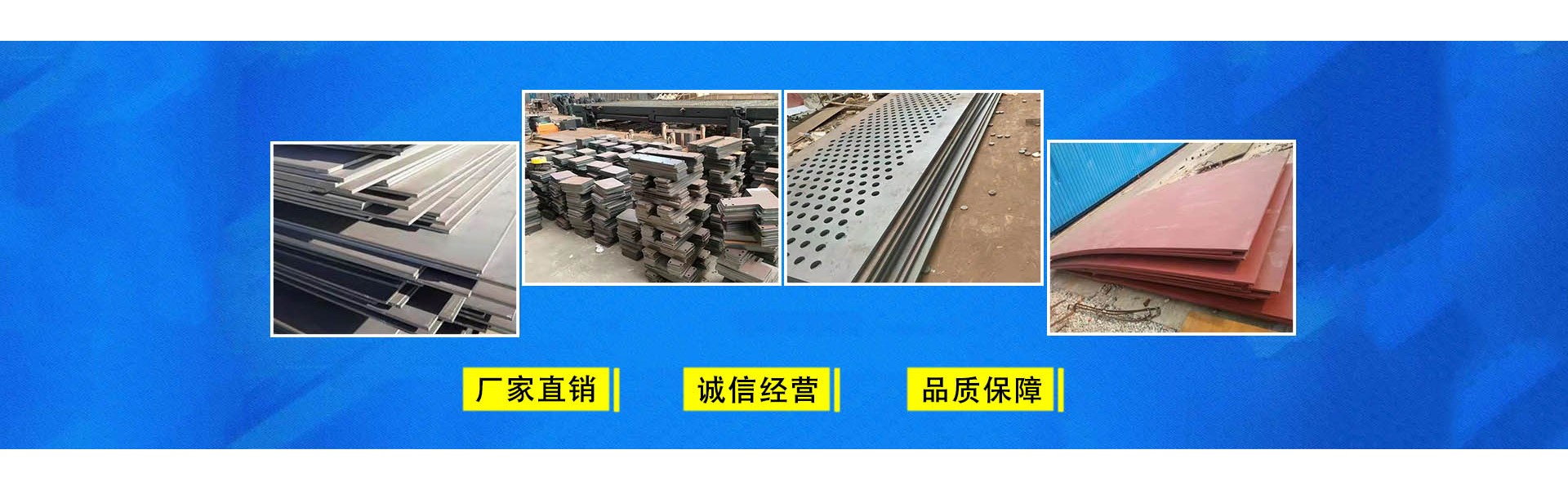

Q235 is a carbon structural steel. "Q" signifies the yield limit of this material, while "235" refers to the yield value, approximately 235 MPa. This yield value decreases with the increase in material thickness. Due to its moderate carbon content, it boasts good comprehensive properties, with a well-coordinated combination of strength, ductility, and weldability, making it widely applicable.
Composed of the Q+digit+quality grade symbol+deoxidation method symbol. The steel grade is prefixed with "Q," representing the yield point of the steel, followed by the numerical value of the yield point in MPa.
Symbols indicating quality grade and deoxidation method can be marked after the steel number when necessary. Quality grade symbols are A, B, C, and D. Deoxidation method symbols: F for boil steel; b for semi-killed steel; Z for killed steel; TZ for special killed steel. The killed steel symbol can be omitted, meaning that both Z and TZ can be unmarked.
Q325 is actually a type of steel material, and Common Carbon Structural Steel - Plain Plate is also a type of steel material.
Carbon structural steel:
Carbon structural steel is a type of carbon steel, containing approximately 0.05% to 0.70% carbon, with some varieties reaching up to 0.90%. It can be categorized into ordinary carbon structural steel and high-quality carbon structural steel. Its applications are numerous and widely used, primarily in railway systems, bridges, and various construction projects. It is also utilized in manufacturing metal components that bear static loads, as well as for non-critical mechanical parts that do not require heat treatment and general welding jobs.
Carbon structural steel is generally not heat-treated and is used directly in the as-supplied condition. Typically, steels such as Q195, Q215, and Q235 have low carbon content, excellent welding properties, good plasticity and toughness, and moderate strength. They are commonly rolled into thin plates, rebars, and welded steel pipes, used in structures like bridges and buildings, as well as for manufacturing ordinary bolts and nuts. Q255 and Q275 steels have slightly higher carbon content and higher strength, with better plasticity and toughness, making them suitable for welding. They are usually rolled into structural shapes, bars, and plates for components, as well as for making parts like connecting rods, gears, couplings, and pins for simple machinery.
