



 通过中商114认证

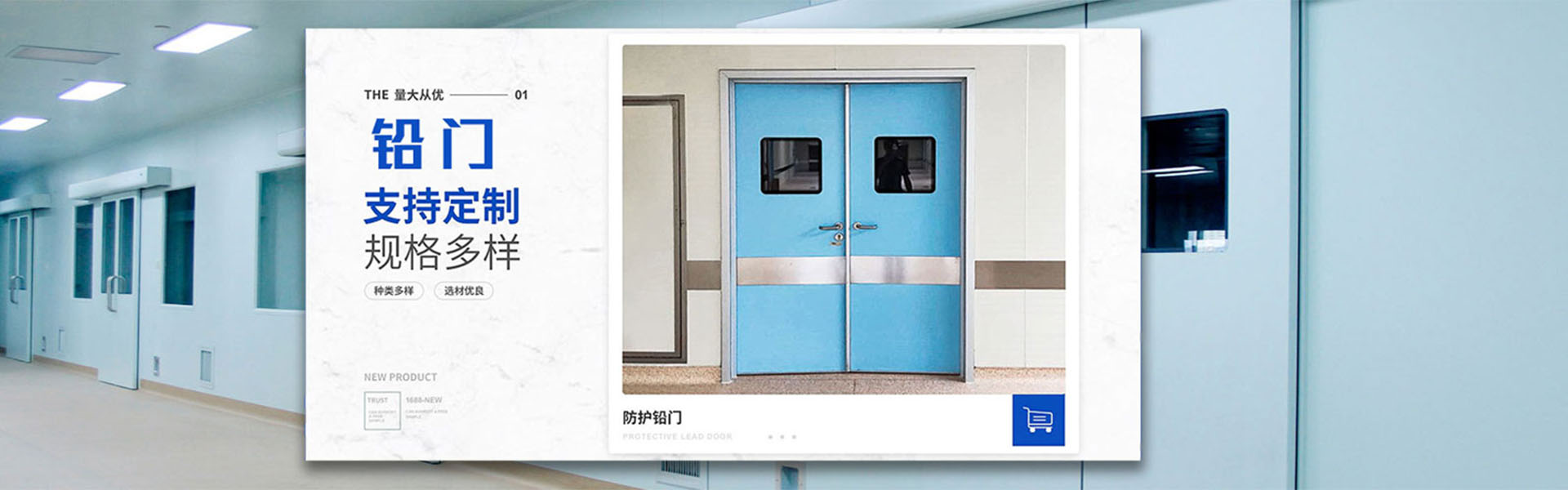
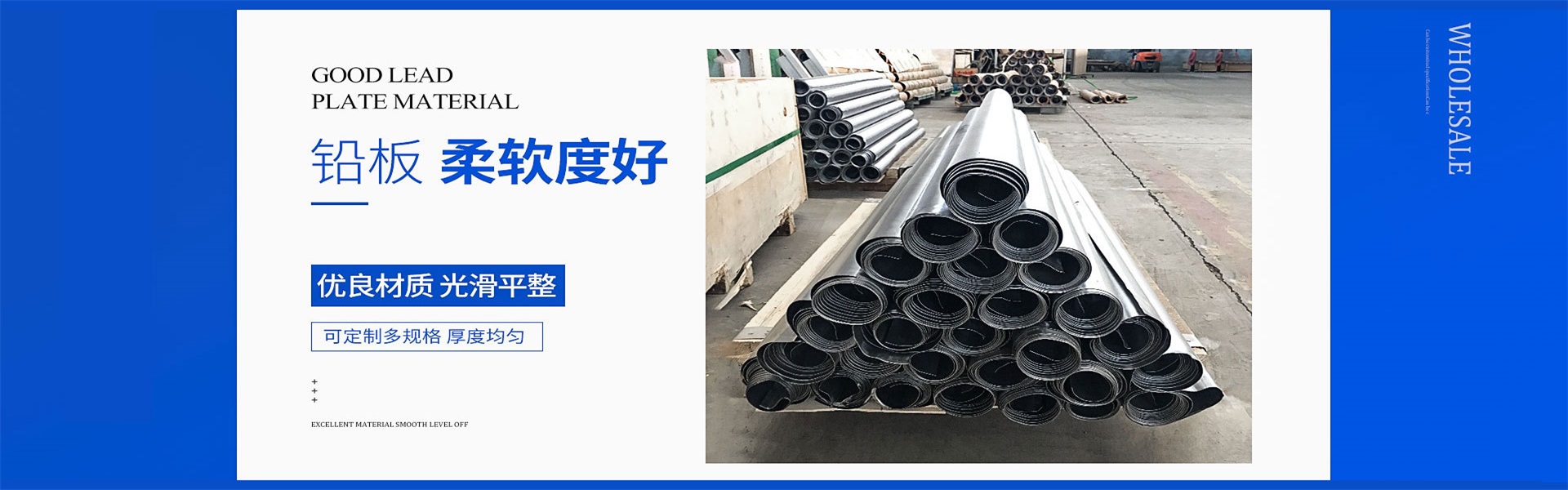
In the design of hospital architecture, it is crucial to first understand the medical processes within the hospital and then design the medical process flow accordingly. The design of radiation protection engineering for hospital buildings also starts with the medical process, followed by integrating the relevant process conditions, technical specifications, and parameters of various departments, equipment, and systems to create the medical process design. Once the medical process design is completed, the corresponding engineering design is then carried out. The radiation protection engineering for hospital buildings, including shielding applications, is also closely related to various disciplines in construction. The design of shielding engineering primarily considers two aspects: shielding thickness and material. The lead equivalent, expressed in mmpb, refers to the lead layer thickness that facilitates the comparison of the shielding effects of various materials. In practical applications, the lead equivalent is not fixed and varies with the energy of the incident photons and the thickness of the material. The basic principle for determining the shielding thickness is to set a certain thickness of shielding material and ensure that the dose caused by the radiation source at a concerned location does not exceed the corresponding dose control constraint value. For example, 10 cm of concrete has an equivalent to approximately 1 mm of lead, while 10 cm of barium-containing concrete has an equivalent to approximately 2 mm of lead. The selection of protective engineering materials primarily focuses on material protection performance, cost, and construction technology. Common radiation protection materials include concrete, lead plates, barium sulfate cement, lead doors, and radiation shielding coatings. Rooms producing high-energy radiation, such as linear accelerators, gamma knives, Cyberknife, and post-installation equipment, typically use barium sulfate concrete for protection. For accelerators exceeding 10 MeV, a neutron protection layer is also required, usually made of materials like polyethylene, borax, and paraffin. For rooms with lower-energy radiation, such as DR and CT, protection is generally provided using lead plates, barium sulfate cement, lead doors, and radiation shielding coatings.
News Center Co., Ltd.
