
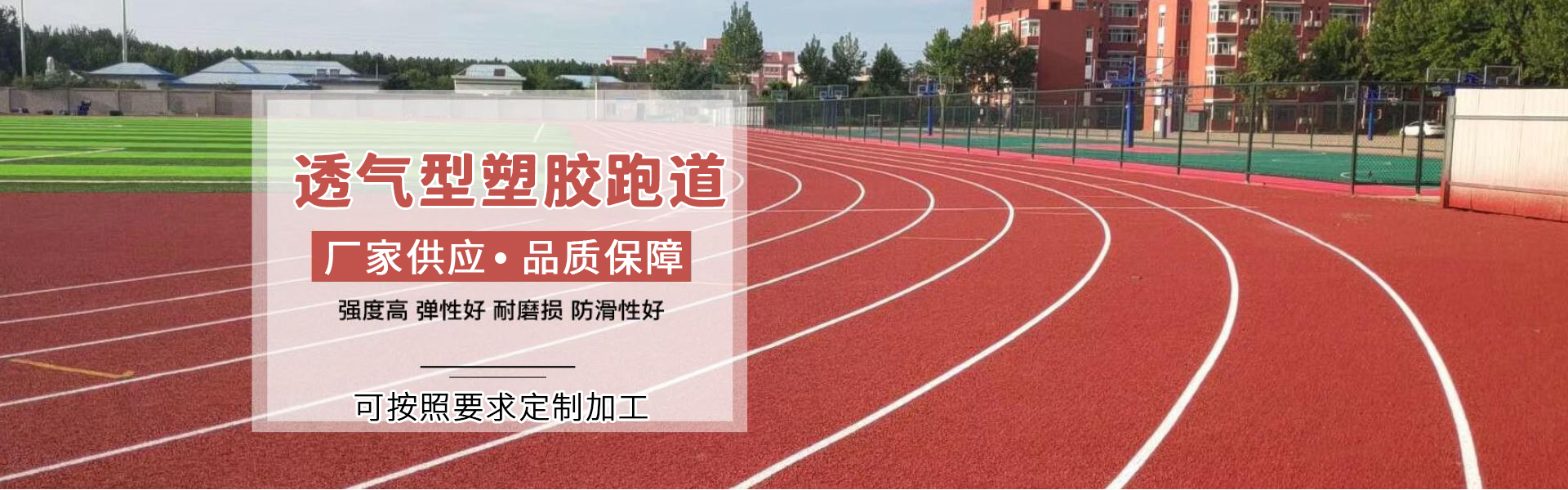
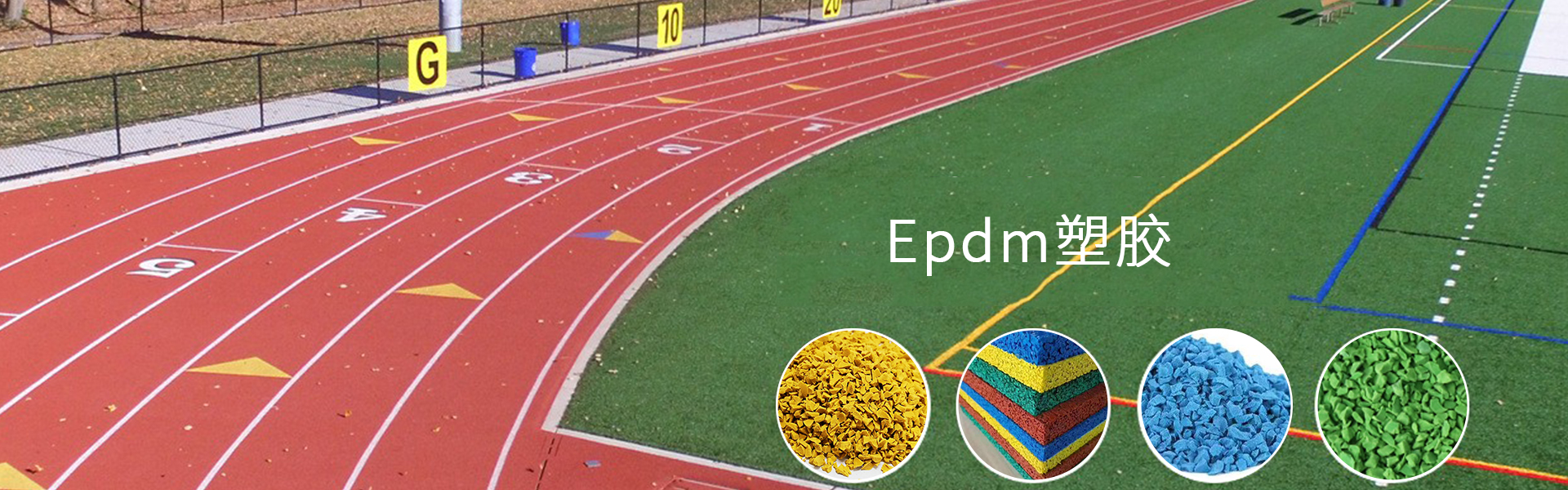

Schools not only focus on students' academic education but also place a greater emphasis on their quality education, especially on physical education. This is why many schools construct rubber tracks. However, some schools have reported that students experiencing unexplained physical discomfort while exercising on the tracks. What could be the cause? Let's follow Hongjun Sports to uncover the reasons behind this phenomenon.
Recently, there have been reports of students from a certain school suffering nosebleeds and dizziness after playing on the artificial turf track in the playground. This sudden incident has sparked widespread public anger.
To ensure the reliability of the plastic track in schools, it is the responsibility of the plastic track manufacturers. Hebei Junhong adheres to the business philosophy of "development through quality, progress through trustworthiness, and benefits through control," consistently adhering to the technical standard of "high quality and high specifications."
To ensure the reliability of rubber tracks, rubber track manufacturers suggest that schools pay attention to the presence of benzene, toluene, xylene, and lead in the rubber tracks when purchasing them. If children inhale these substances over a long period or are exposed to environments with toxic substances exceeding safety standards, it can significantly disrupt their physical condition and growth. Symptoms of poisoning may include dizziness, chest tightness, difficulty breathing, nosebleeds, and more. This can lead to damage to the child's intelligence and urinary system, and in severe cases, even sepsis or heart failure.
Based on the above analysis, we can see that to ensure the reliability of the school's artificial tracks, the manufacturers must fulfill their own responsibilities, and the purchasers must be cautious to avoid buying poor-quality products from unscrupulous suppliers.
