


Taizhong servo motor repair generally includes the following steps:
Troubleshooting: First, it is necessary to identify the specific cause of the servo motor's failure. This can be initially determined by inspecting the motor's appearance, listening for any unusual sounds, and feeling for any abnormalities.
2. Inspect power supply and controller: Verify that the power supply and controller are operating properly, including checking the power voltage and any abnormal alarms from the controller.
3. Verify Motor Driver: Check if the servo motor driver is operating correctly, including inspecting the power supply, control signals, and protective functions of the driver.
4. Inspect the motor itself: Check for any damage or short-circuiting in the servo motor's rotor, stator, windings, etc., which can be determined by measuring resistance and insulation resistance.
5. Replacement of Damaged Parts: If any damaged parts are identified during the inspection, the corresponding spare parts can be purchased for replacement.
6. Calibration and Testing: After replacing the damaged parts, calibration and testing are required to ensure the servo motor operates normally.
7. Preventive Measures: After maintenance is completed, some preventive measures can be taken, such as regular cleaning and maintenance of the servo motor to avoid situations like overloading and overheating.
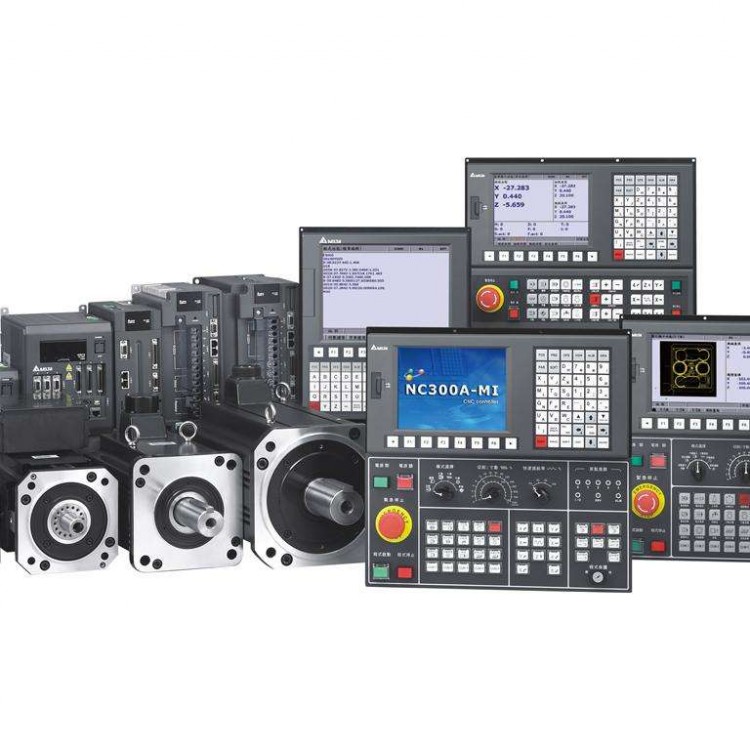
Note that repairing servo motors requires certain knowledge and skills; it's recommended to find a qualified repair person or contact Delta for the repair.
Estun servo motor repair refers to the service of repairing and maintaining Estun servo motors.
The Estun Servo Motor is a high-performance motor, widely used in the field of industrial automation. During use, malfunctions or damage may occur due to various reasons, and repairs are required.
The specific steps for repairing Estun servo motors include:
Fault Diagnosis: Determine the cause of the failure by inspecting and testing the servo motor.
2. Component Replacement: Replace damaged or worn-out components based on the cause of failure, such as motor drivers, encoders, etc.
3. Circuit Repair: Repair circuit faults on circuit boards, such as solder joint breaks, component burns, etc.
4. Cleaning and Lubrication: Clean the dust and dirt inside the servo motor and apply lubrication to ensure normal operation.
5. Adjustment and Testing: After the repair is completed, adjust and test the servo motor to ensure its proper functioning.
Be mindful that when repairing Estun servo motors, only choose a qualified repair team or technician to handle the operation to ensure quality and safety. Additionally, regular maintenance can extend the lifespan of the servo motor and reduce the likelihood of malfunctions.
Oupai Servo Motor Maintenance refers to the service of repairing and maintaining Oupai servo motors. Oupai servo motors are high-precision, high-performance motors commonly used in industrial automation equipment. They require maintenance after long-term use or in case of malfunctions to ensure proper operation and extend their service life.
The specific contents of the Oupai servo motor repair include:
Troubleshooting: Diagnose and resolve issues with servo motors, identify the root cause, and make repairs.
2. Component Replacement: If certain components of the servo motor, such as the motor bearings or motor drivers, are damaged or worn out, they need to be replaced.
3. Cleaning and Lubrication: Perform cleaning and lubrication on the servo motor to ensure its normal operation and extend its service life.
4. Calibration and Tuning: Calibrate and tune the servo motor to ensure its operating precision and performance meet the required standards.
5. Preventive Maintenance: Regularly inspect and maintain servo motors to prevent malfunctions.
Note that Opai servo motor repairs should be performed by qualified technicians who are familiar with the motor's structure and operating principles, and possess the necessary repair skills and tools. When selecting a repair service provider, consider their experience and reputation to ensure the quality and effectiveness of the repair.
The process of repairing the new generation servo motor involves the following steps:
1. Fault Diagnosis: First, it's necessary to inspect and test to determine the cause of the motor's failure. You can check the motor's power supply, cable connections, and controller settings. Also, test instruments can be used to detect the motor's speed, current, and other parameters.
2. Disassemble the Motor: If an internal fault in the motor is confirmed, it is necessary to disassemble the motor for inspection. Before disassembling the motor, the power supply must be disconnected and ensure there is no residual charge.
3. Cleaning and Inspection: After disassembling the motor, the internal components such as the rotor, stator, and bearings can be cleaned. Simultaneously, inspect these components for any damage or wear.
4. Replace Faulty Parts: If damaged or worn components are found inside the motor, they should be replaced promptly. Appropriate spare parts can be purchased based on the motor's model and specifications for replacement.
5. Assembly of the Motor: After replacing the faulty components, the motor needs to be reassembled. During the assembly process, ensure the correct installation and connection of the parts.
6. Testing and Tuning: After the motor is assembled, it must undergo testing and tuning to ensure proper operation. Test equipment can be used to measure parameters such as the motor's speed, current, and temperature.
7. Installation and Adjustment: If the motor needs to be re-installed into the equipment, it must be installed and adjusted according to the equipment's specifications. The motor's parameters and settings can be adjusted based on the equipment's control system.
8. Inspection and Maintenance: After the repair is completed, an inspection and maintenance must be conducted. Running the motor for a period of time and observing its operation and performance will ensure the quality of the repair work.
Note that repairing the new generation servo motor requires certain knowledge and skills in motor repair. If you are not familiar with motor repair work, it is recommended to seek professional repair services. Guangshu Servo Motor Repair refers to the process of maintenance and repair for Guangshu servo motors. Guangshu servo motors are a type of motor that can control rotation angle and speed through control signals. During use, they may experience malfunctions or damage due to various reasons, necessitating repair.
The steps for repairing Guangshu servo motors generally include the following aspects:
Troubleshooting: First, it is necessary to identify the specific cause and location of the fault through inspections and tests. This can be achieved by observing the motor's operating condition, checking electrical connections, measuring voltage and current, etc.
2. Maintenance: Clean and lubricate the motor to ensure proper operation. Remove dust and dirt from the motor surface and apply lubricant at appropriate locations to reduce wear and friction.
3. Component Replacement: If any parts of the motor are found to be damaged or worn out severely, they need to be replaced. Common components that require replacement include bearings, gears, sensors, etc.
4. Circuit Repair: If the issue is caused by a circuit problem, circuit repair is required. Repairing circuit faults can be done by checking circuit connections and replacing damaged electronic components.
5. Functional Testing: After the repair is completed, a functional test must be conducted to ensure the motor operates normally. This can be done by controlling signal input, observing the motor's operating status, and measuring the output angle and speed.
Be mindful that when repairing general purpose servo motors, it's crucial to adhere to the relevant safety operating procedures to ensure the safety of personnel and equipment. If you're unfamiliar with the repair process or unable to resolve issues, it's advisable to seek technical support or contact a repair service provider.
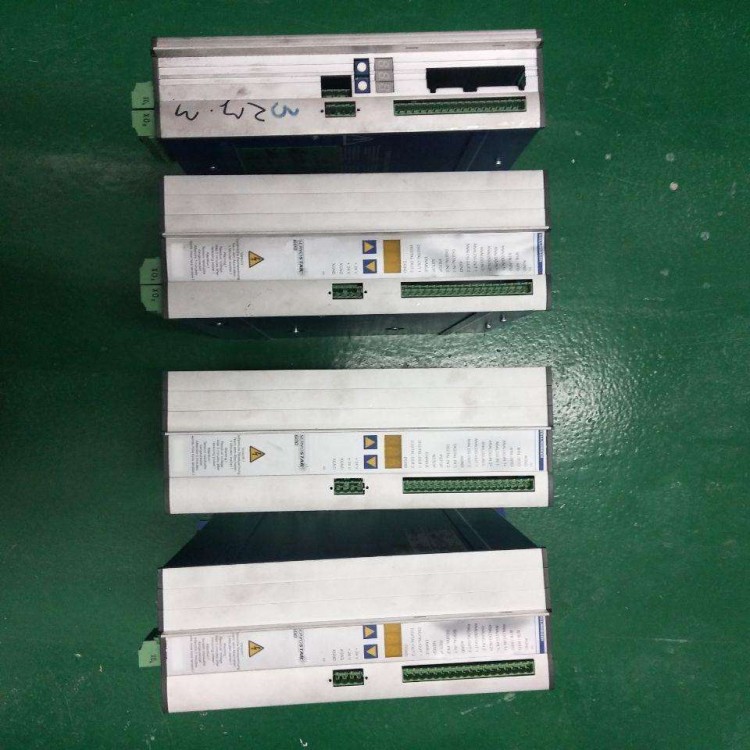
The Baumer servo motor is a high-precision motor commonly used in automation equipment. In the event of a Baumer servo motor failure, you can attempt the following repair steps:
Check power supply: Ensure the motor is properly powered, inspect the electrical wire for secure connections, and verify the voltage stability.
2. Verify Motor Driver: Baumüller servo motors typically require a matching driver to operate properly. Check if the driver is functioning correctly and if there are any alarm messages.
Check motor connections: Ensure the connection between the motor and the driver is secure, and there are no loose or disconnected connections.
4. Check the encoder: Böhmiller servo motors usually come with an encoder for feedback of the motor's position. Verify that the encoder is functioning properly and check for any damage or loose connections.
5. Inspect Sensors: Sensors may be used in certain applications to monitor the motor's operating status; check if the sensors are functioning properly.
6. Cleaning and Lubrication: If the motor runs unevenly or makes noise, try cleaning the dust and impurities inside the motor and apply a moderate amount of lubricating oil.
If the above methods do not resolve the issue, it is recommended to contact a service technician or the manufacturer of Baumüller servo motors for further repair or replacement.
Siemens motor repair
