

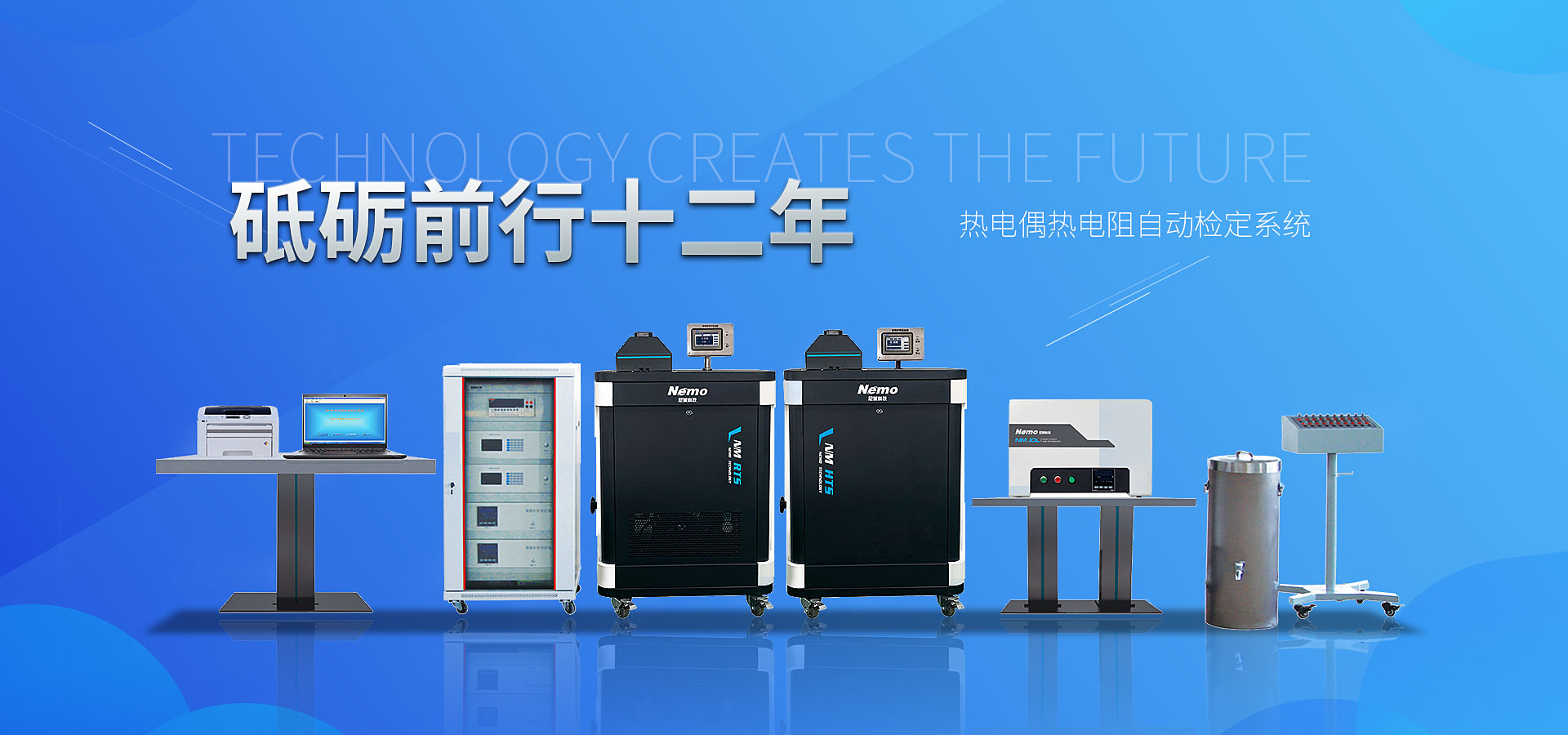
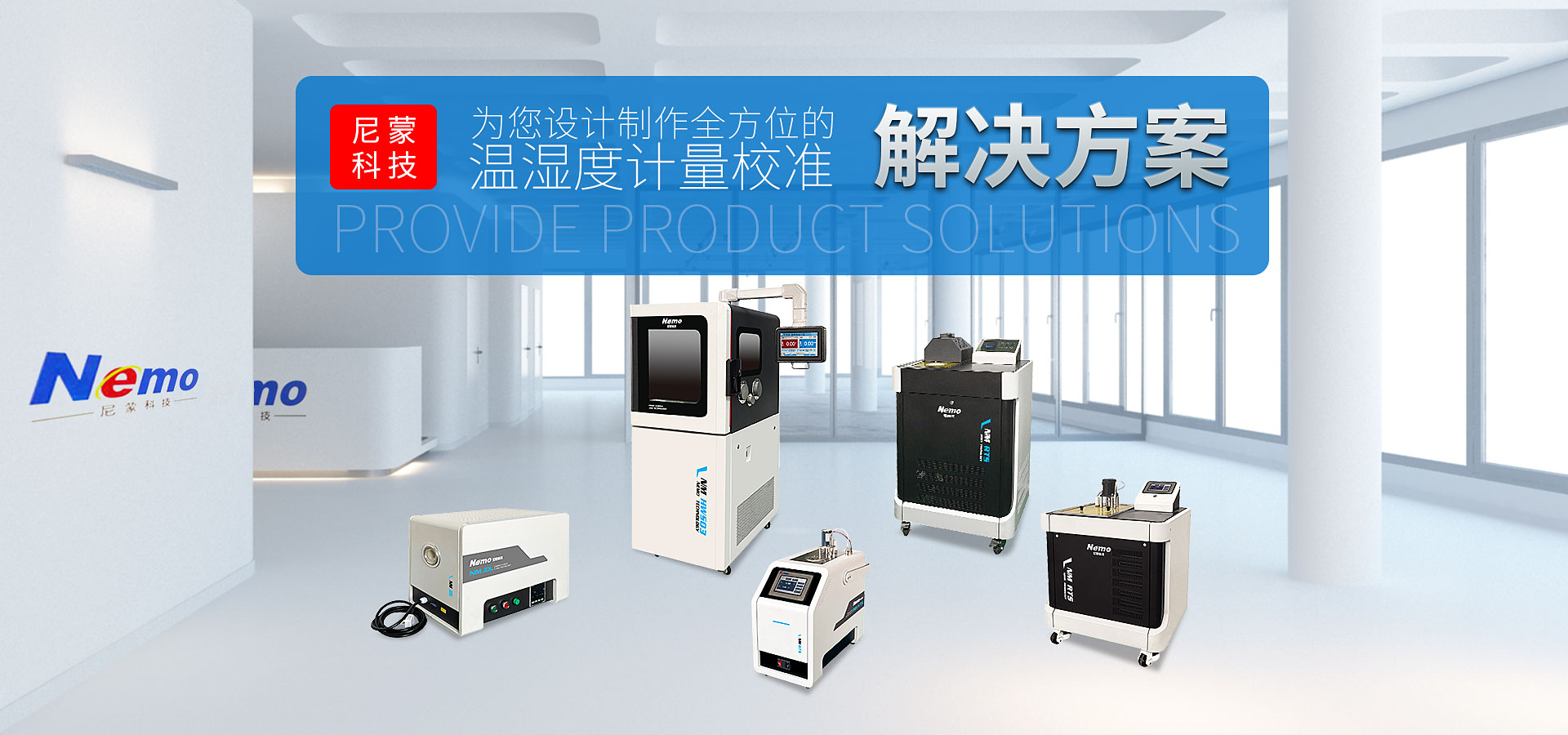


The Thermal Calibration Instrument is a device that utilizes thermodynamic principles to detect and calibrate physical quantities such as temperature, pressure, and mass. Its principle is based on the heat balance principle, which states that the smaller the temperature difference between two objects, the less heat flow occurs between them. By establishing thermal equilibrium between the object to be measured and a known object, the temperature difference between the two is reduced to zero, allowing for the determination of the temperature of the object being measured. Additionally, the thermal calibration instrument can calculate temperature by measuring the pressure of steam or gas.
In addition to temperature measurement, thermal calibrators can also measure physical quantities such as flow, mass, and pressure. They operate on the principles of thermodynamic equilibrium and heat transfer, calculating flow and mass by measuring the time it takes to heat and cool objects.
The principle of the thermal flow calibrator is simple, reliable, and highly accurate, widely used across various fields, particularly in industrial production for quality control, product testing, and scientific research.
When you stroll down the street and see a series of numbers illuminated on a billboard, or when a factory needs to measure physical quantities like temperature and pressure, do you ever wonder how these numbers are obtained? In fact, it all hinges on the application of thermal calibration instruments.
The thermal calibration instrument, a device that utilizes thermodynamic principles to detect and calibrate physical quantities such as temperature, pressure, and mass, boasts high precision and reliability, and is widely used across various fields. Its principle is based on the principle of thermal equilibrium, achieving the temperature, flow rate, and mass parameters of the object to be measured by establishing thermal equilibrium between the object to be measured and a known object.
The thermal calibration instrument differs from other measurement methods, as it can be applied over a wide temperature range, from critical industrial facilities to basic scientific laboratories. In factories, the thermal calibration instrument is an essential tool for effectively conducting quality control and product inspections. In scientific research, it can calibrate and measure experimental data, providing reliable data support for scientific studies.
The principle of the thermal calibration instrument is simple and easy to understand, yet its significance in technological development and industrial manufacturing cannot be underestimated. We believe that with the continuous emergence of new technologies, the thermal calibration instrument will play an increasingly significant role in industrial production and scientific research, bringing more convenience to human production and life.
A thermal calibrator is an instrument used for testing thermal parameters, commonly employed to assess the performance of various thermal equipment. This device primarily measures and monitors thermal parameters to evaluate equipment performance, ensuring that the equipment operates as intended. The thermal calibrator boasts several advantages:
EfficiencyHighThe thermal calibrator can quickly measure various thermal parameters, enhancing work efficiency.
Second, reliable. The instrument employs high-precision sensors and a computer control system to ensure accurate and reliable test results.
Thirdly, precision. The thermal calibration instrument can accurately measure various thermal parameters, including temperature, pressure, and flow, helping users better understand equipment performance.
In summary, a thermal flow calibrator is aEfficiency-drivenReliable, accurate testing equipment plays a crucial role in ensuring equipment performance and operational efficiency.
