

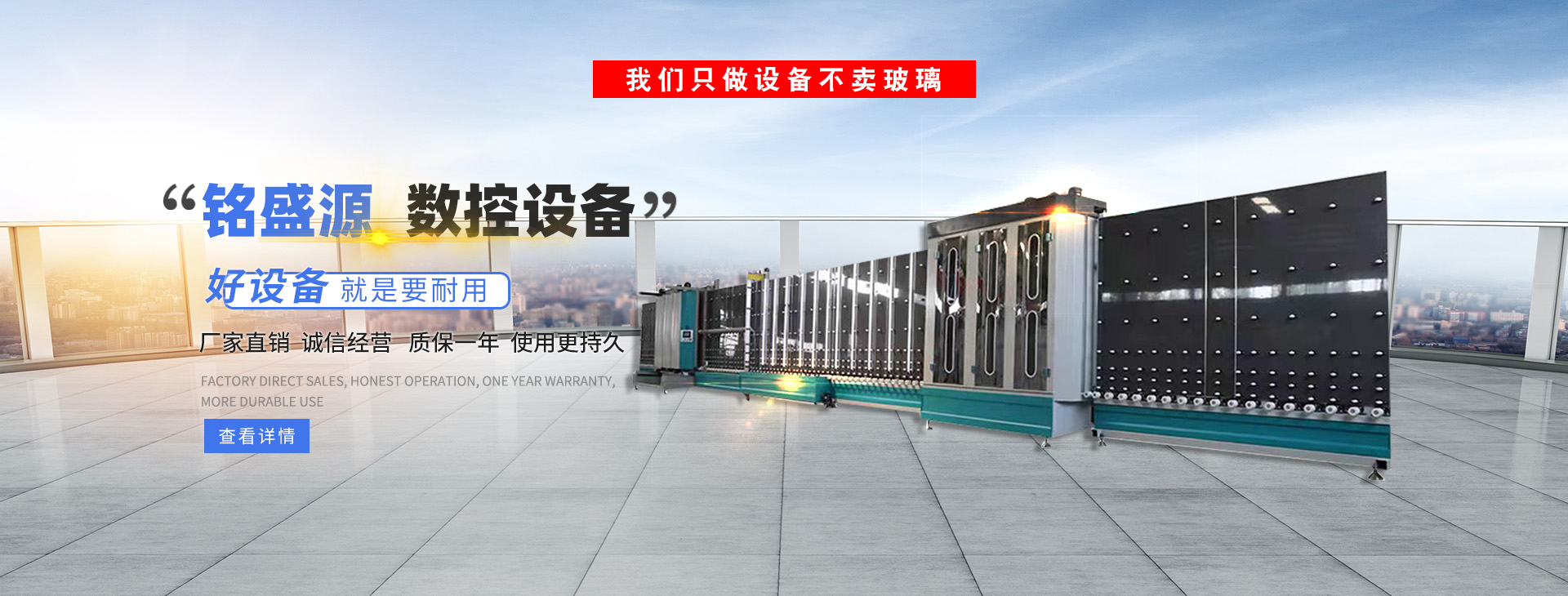
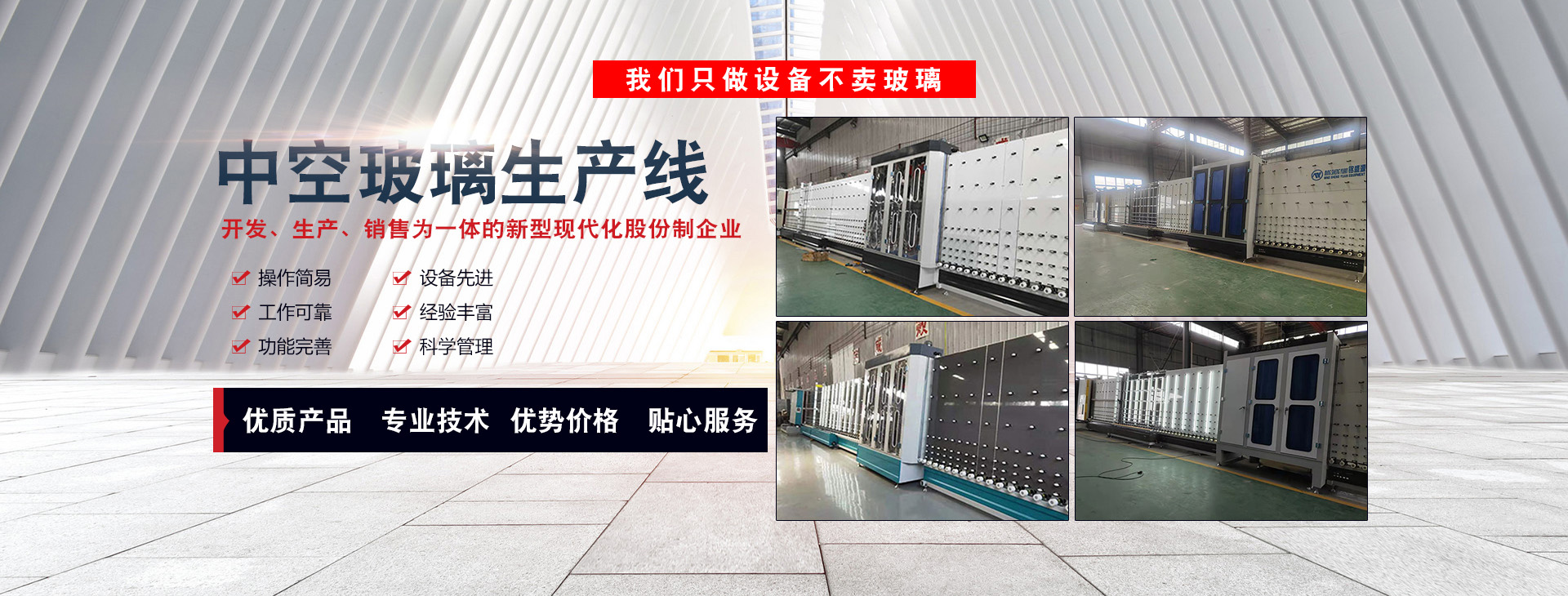
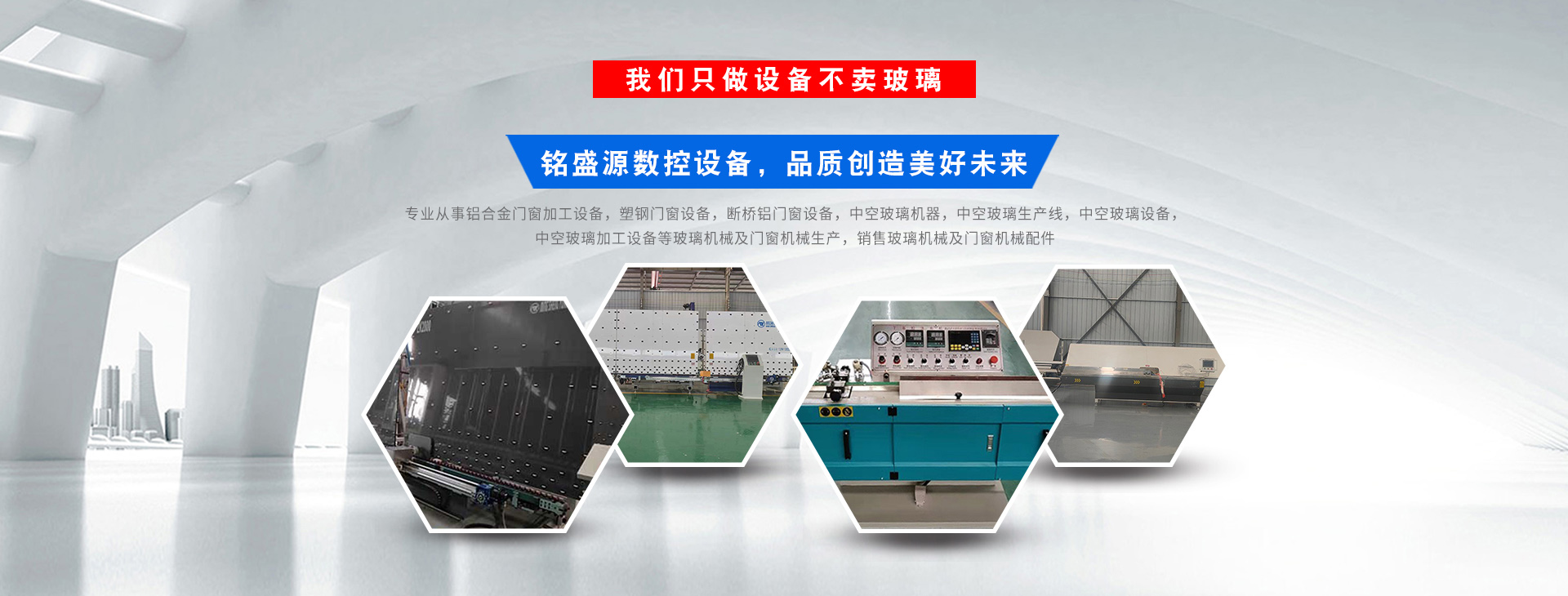

Insulating glass equipment is primarily used for manufacturing insulating glass, which currently enjoys a vast market. As such, the quality of production is of utmost importance, and strict quality control must be maintained on the insulating glass production line. Regarding the equipment, what are the different types of structures available?
For insulating glass, it is important to check if butyl tape is effectively wrapped around any of the connecting corners. Practical theory shows that double-sealed insulating glass made with connecting corners has a primary water leakage path through the four corners, with a leakage rate of 70%, whereas the edge leakage rate accounts for only 30%. Therefore, it is advisable to use continuous bend tube aluminum strips or apply butyl tape to effectively wrap the four connecting corners, significantly extending the lifespan of the insulating glass. Without effective wrapping of the four corners with butyl tape, the significance of double sealing is not substantial.
During the production of hollow glass, it is necessary to use a small knife to score several centimeters on the two sections where the secondary seal and glass adhesive join. Then, the sealant is peeled off by hand. If, after peeling, the glass surface is smooth and there is no residue, it indicates that there is no adhesion between the sealant and the glass surface, which suggests the sealant's sealing effect is questionable.
3. Cut a cross-section with a small knife, and if the section shows many small air holes (like small honeycombs), this indicates two possibilities: either the sealant was applied manually, which can trap air and create bubbles, or it could be due to a low-quality second sealant produced with substandard technology, even when applied with a machine, it may still result in air holes! Any cross-section with air holes will definitely have a very short lifespan!

