

The pace of technological advancement always exceeds our imagination and understanding. What was once a distant fantasy for the general public—the idea of robots replacing human labor—is now becoming a reality. Suddenly, we have cooking robots, waste-sorting robots, delivery robots, painting robots, handling robots, conversational robots, industrial robots, service robots, and a myriad of other types of robots at our disposal. In the future, even more diverse varieties of robots will emerge, and robotic technology will continue to flourish, with increasing intelligence levels. Humans will coexist with robots and learn to master them.
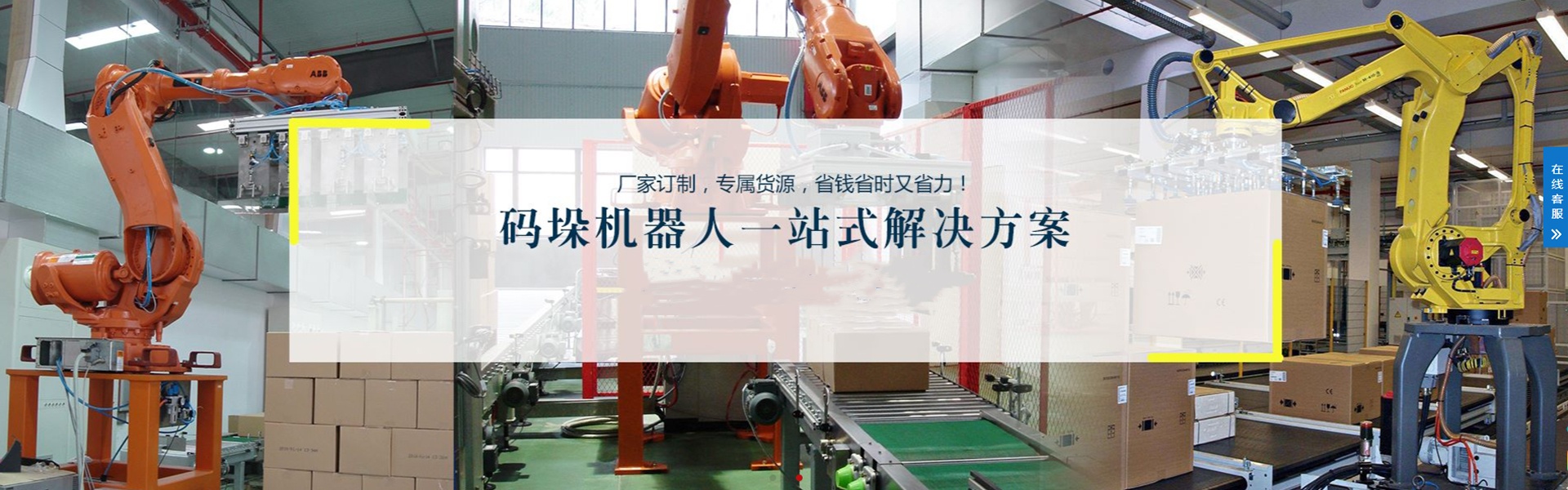
Palletizing robots are a type of industrial robot that are widely used and have a broad application scope, accounting for a significant share of the robot market. With the decline in the labor force and the rising cost of labor, palletizing robots are increasingly being employed by manufacturing companies to replace manual labor in the final packaging process. The advantages of palletizing robots have been discussed many times before, including their ability to improve product quality and output, reduce labor costs, have a simple and durable structure, operate under various environmental conditions for long periods, and minimize workplace accidents. They also integrate into various production lines for multi-line operations. So, what are the challenges that palletizing robots currently face?
High costs and a wide variety of types make the design and manufacturing of stacker robots a complex engineering project, requiring significant time and effort. The diverse operational environments and objects, along with the varied user requirements, lead to a multitude of specifications that hinder the enterprise's mass production and standardization efforts, thus failing to reduce costs. Additionally, some logistics and packaging companies have relatively outdated consumption and management practices, lack of standards, and other reasons contribute to the low demand for stacker robots.
2. Adapting for Progress: Modern industrial consumption is characterized by small batch production, diverse product types, frequent upgrades, and sophisticated division of labor. Robot palletizing machines must cope with scenarios such as one machine handling multiple products, multiple trays, and multiple lines. The size parameters and stacking patterns of the packaged products are pre-programmed into the robot palletizer. The robot itself cannot recognize the objects, and if the products change frequently, the robot is unable to quickly identify them.
3. Development of compact, high-load stacking robots needs advancement. Currently, most available models are large or medium-sized stacking robots, with taller ones reaching about 3 meters and shorter ones over 1 meter. Robots designed for handling small objects are yet to be developed and produced, and robots with high loads typically have a capacity of 200 kilograms or less, leaving room for improvement.
4. The shortage of talent is evident as the robotics era unfolds, and the industry's prospects are vast. However, the imbalance between the supply and demand for talent in this field is becoming increasingly prominent. The development of the robotics industry is expected to surge, with significant technological advancements. Consequently, there may be a need for operators with higher technical proficiency. Yet, such talent is scarce, leading to a mismatch between supply and demand. To reduce the cost of training and developing this talent, the issue of the general usability of robots arises.
Overall, stacker robot technology plays a significant role in addressing labor shortages, enhancing consumer efficiency, reducing costs, alleviating worker fatigue, improving production environments, and boosting the automation level of enterprises.
