
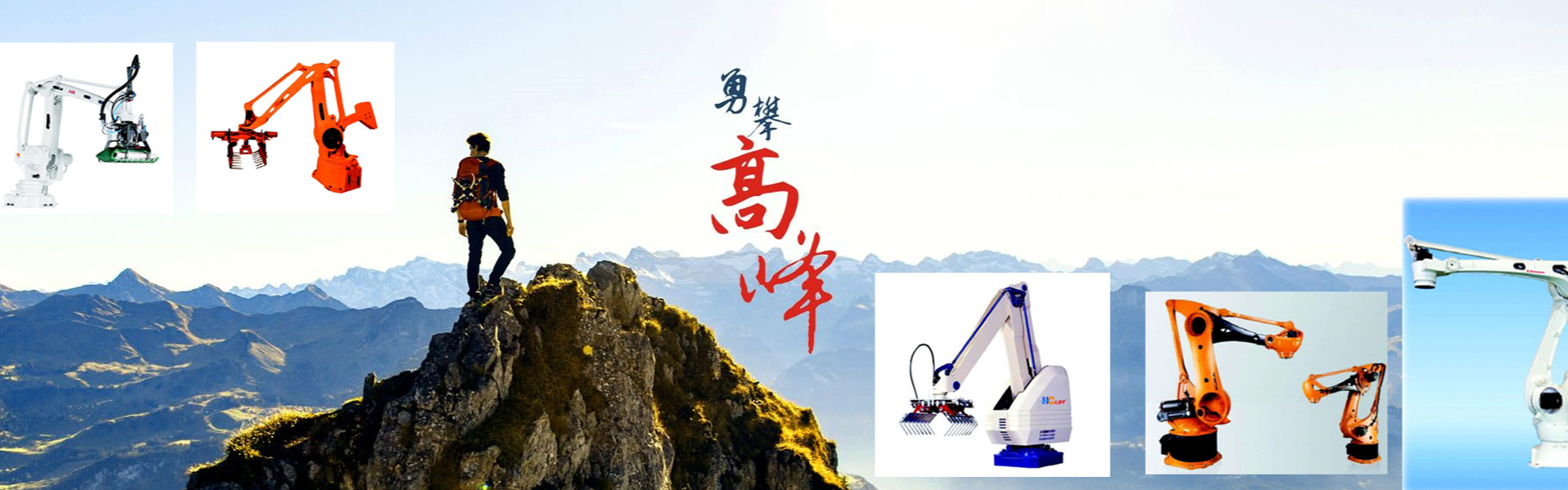

The pace of technological advancement always surpasses our imagination and understanding. Once, the idea of using robots to replace human labor seemed like a fairy tale to the general public. However, suddenly, we see robots that can cook, sort waste, deliver packages, spray, handle materials, converse, and perform industrial and service tasks. In the future, an even greater variety of robots will emerge, with robotic technology becoming increasingly prosperous and sophisticated. Humans will coexist with robots and learn how to control them.
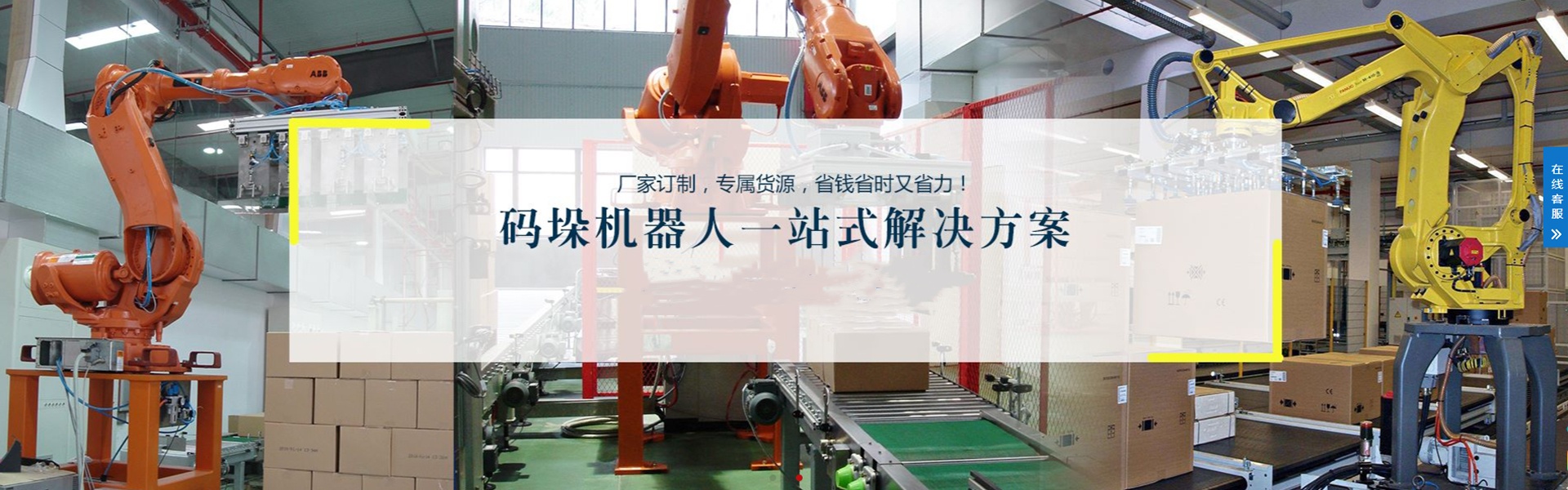
Palletizing robots are a type of industrial robot, widely used and highly prevalent in their application scope, accounting for a significant portion of the robot market. As the labor force diminishes and labor costs rise, these robots are increasingly being employed by consumer companies to replace manual labor in the final packaging stages, handling tasks like palletizing. The advantages of palletizing robots have been discussed before, including their ability to enhance product quality and output, reduce labor costs, have simple and durable structures, operate continuously in various environments, perform high-intensity tasks, and minimize the occurrence of workplace accidents. They are also integrated into various production lines for multi-line operations. So, what are the current challenges faced by palletizing robots?
High costs and diverse types make the design and manufacturing of stacker robots a complex engineering project, requiring significant time and effort. The operational environments and objects are varied, as are the user requirements, leading to a multitude of specifications that hinder the enterprise's mass production and standardization efforts, thus failing to reduce costs. Additionally, some logistics and packaging companies are relatively backward in consumption and management, lack standards, and other reasons contribute to the low demand for stacker robots.
2. Embracing Progress Through Adaptability: Modern industrial consumption is characterized by small batch sizes, diverse product types, frequent upgrades, and sophisticated division of labor. Robot packing machines must cope with situations such as one machine for multiple products, multiple trays, and multiple lines. The dimensions and packaging forms of the product components are pre-programmed and input into the robot packing machine. The robot itself cannot recognize the objects, and once products undergo frequent changes, the robot struggles to quickly identify them.
3. The development of micro and high-load stacker robots needs improvement. Currently, the market is dominated by medium to large-sized stacker robots, with larger ones reaching about 3 meters in height, and smaller types over 1 meter. Stacker robots capable of handling small items are yet to be developed and produced, and robots with high load capacities are typically under 200 kilograms, leaving room for further advancement.
4. The scarcity of talent is a challenge, as the era of robotics unfolds with vast industry prospects. However, the imbalance between the supply and demand for talent in this field is becoming increasingly apparent. The development of the robotics industry is expected to surge, with significant technological advancements. Consequently, there may be a need for operators with higher technical proficiency. Yet, the pool of such talent is scarce, leading to a supply-demand mismatch. To reduce the cost of training such talent, the issue of the universality and ease of use of robots also arises.
Overall, the technology of stacking robots plays a significant role in addressing labor shortages, improving consumer efficiency, reducing costs, alleviating worker fatigue, enhancing production environment, and boosting the automation level of enterprises.
