
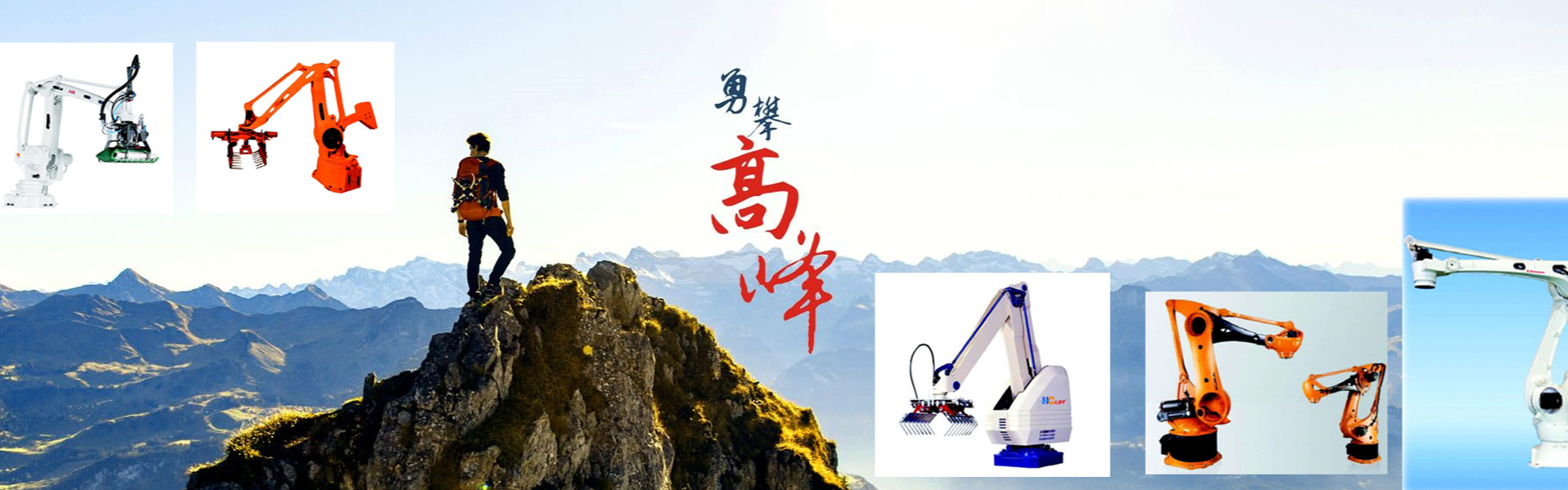
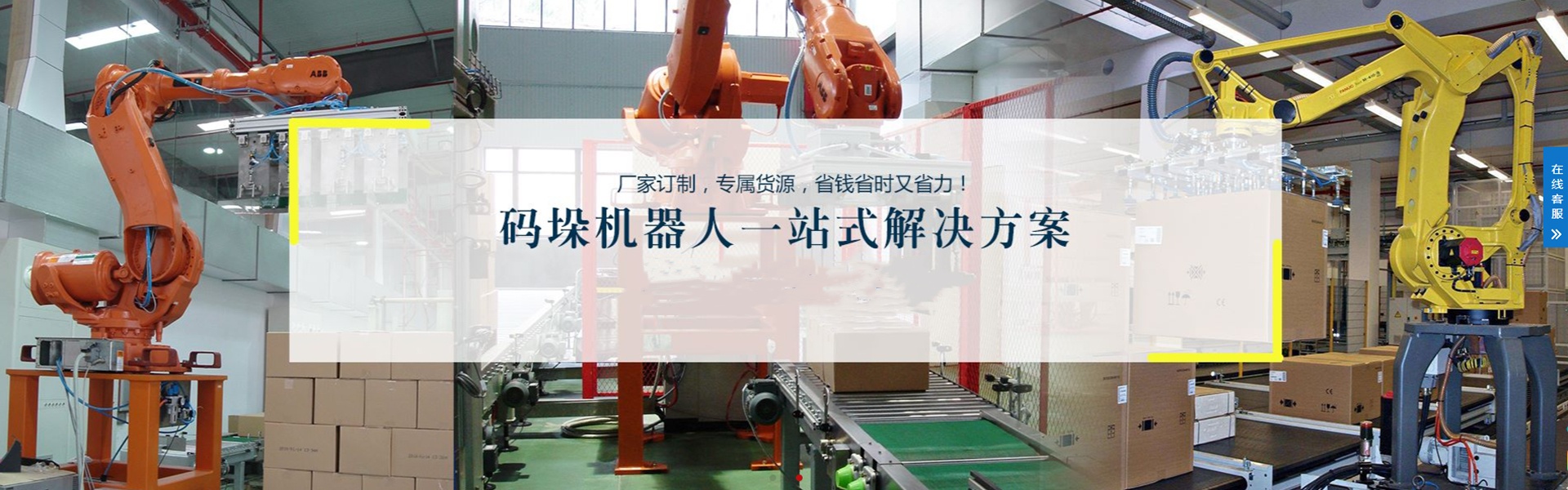


Palletizing robots are a common piece of equipment in factories, directly affecting the throughput of assembly lines. The improvement of the palletizing robot production line is crucial to our products' competitiveness in the international market. So, how should one assess a good palletizing robot? What are the main aspects to consider when evaluating the efficiency of a palletizing robot line?
Key aspects for evaluating the efficiency of an automated palletizing robot line include:
1. Stability and control in work; good stability and control should result in a lower defect rate, the ability to work continuously for extended periods, and ease in operating and making changes to packaging purposes.
2. The extensibility for the packaged items; a good extensibility should accommodate packaging items of different shapes, sizes, weights, and dimensions.
3. The extensibility of the packaging environment; a well-extensible packaging environment should accommodate consumption under narrow, harsh, and complex conditions (e.g., a robotic packaging line stopping for two different product specifications).
4. Efficiency: Higher work efficiency is directly related to cost savings and production capacity.
5. Measurement Error: A small measurement error should allow for long-term positioning (including the measurement error of materials being filled into packaging containers).
6. Maintainability: Maintainability refers to the ease and cost of eliminating defects, as well as the difficulty of modifying and expanding elements.
7. Price: The main focus is still on cost-effectiveness, as businesses seek to maximize their investment returns, and this is what they value most.
Here are the 7 aspects to evaluate the performance of stacker robots, hoping it provides all the help you need.
