
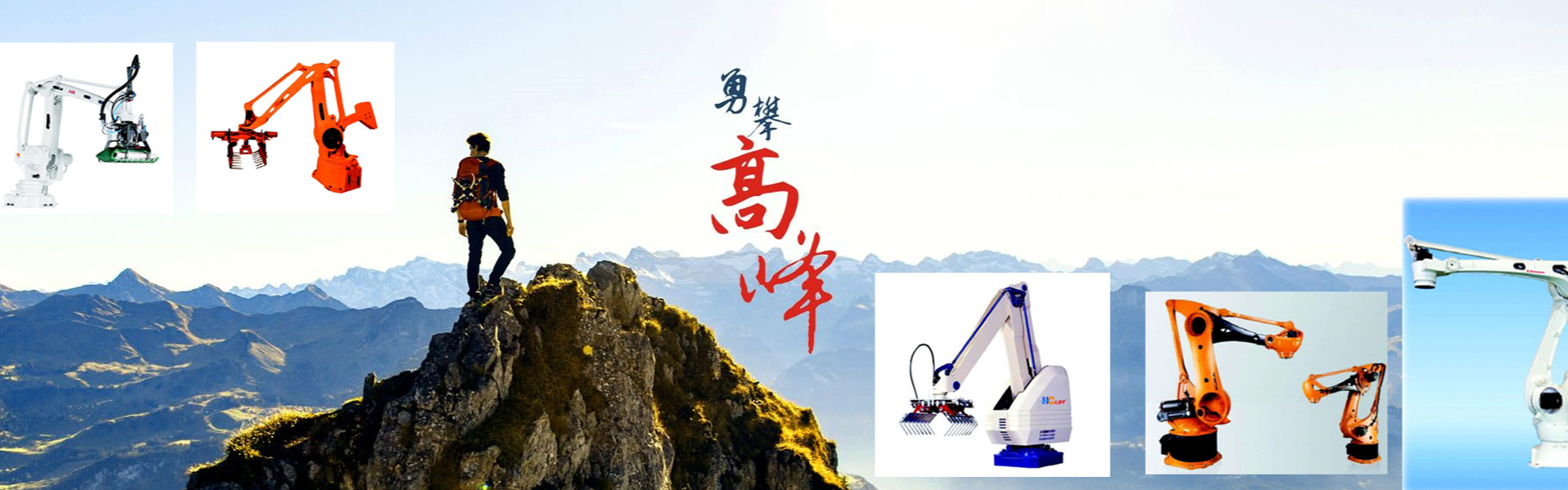
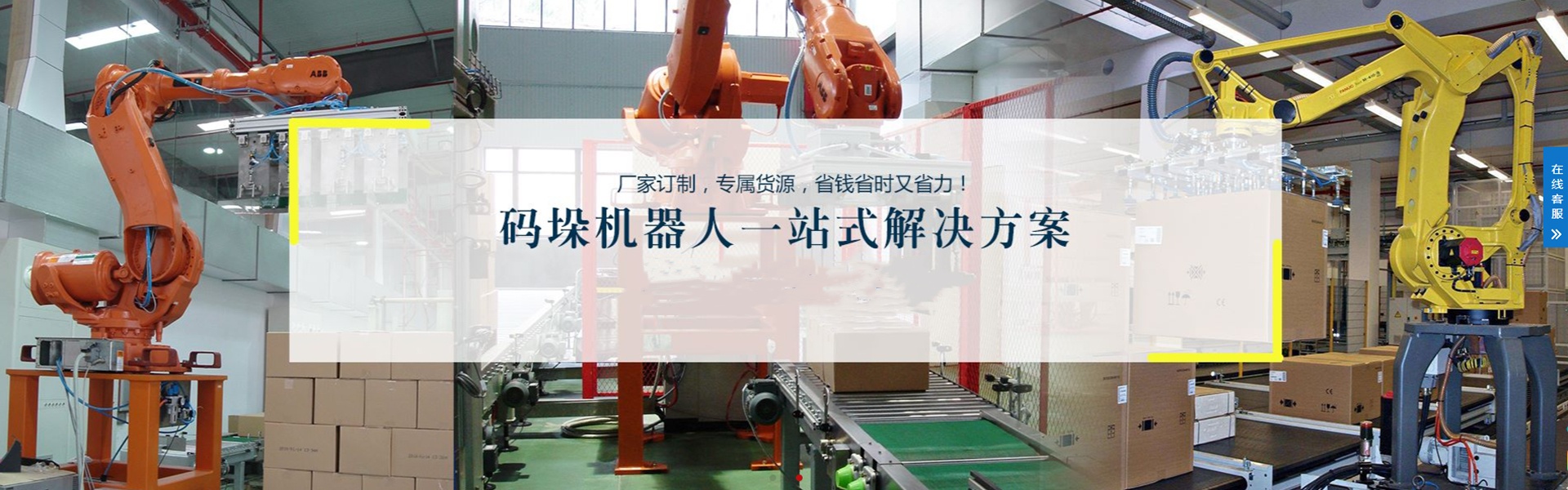

Palletizing is a relatively simple application of robots, which puts significant strain on the robot's load-bearing capacity, precision, motion control, and data transmission speed. If a traditional six-axis robot is used to stop palletizing, it not only leads to inefficient use of the robot but also, due to its shorter arms, restricts the range of palletizing and its ability to handle only medium to small-sized objects. So, what are the main requirements for industrial robots on automatic production lines?
Utilization Cost Control of Palletizing Robots
Unlike traditional manufacturing, an automated assembly line can be brought to a halt by a malfunction in a single machine, disrupting the continuity of production. Under this requirement, robots must have high stability and good production continuity, and it also demands that we "know how to use" them, and "use them well."
2. Selection of Palletizing Robots
Industrial robots are complex integrated systems, encompassing mechanical arms, control systems, programmers, and other software and accessories. It is crucial to select the appropriate product for one's production line based on the company's practical consumption requirements prior to application. The selection criteria include cost-effectiveness, environmental conditions, technical parameters, and so on. Only by choosing the right product that meets practical consumption needs can the advantages of the robot be fully utilized, creating great value with minimal investment.
3. Reasonable robotic tooling fixtures
Robotics are akin to our brains, while fixtures are like our hands. Therefore, the design and selection of workholding fixtures are of paramount importance. Only by choosing the right fixtures and coordinating them with programmed motion sequences can the full potential of the robot be realized.
Before utilizing the stacker robot, operators must perform a safety check on the equipment, ensuring that the machinery is operating normally, all power connections are correct, and mechanical components are not loose. Additionally, it's necessary to check for any obstructions in the vicinity of the work area. After verifying the basic information, the oil tank should also be inspected. Generally, if the stacker robot runs daily, it requires refueling every day. Failure to do so can lead to abnormal or damaged cylinders, potentially causing the entire stacker robot to malfunction.
Here are the key considerations for the demand of stacker robots on automatic production lines. Using stacker robots can provide excellent production assistance in the industrial sector. Not only are they highly efficient and labor-saving, but they also offer great value for money.
