

In recent years, with the rapid development of the food and beverage industry, product packaging has been trending towards "miniaturization and gift packaging." The manual stacking process is labor-intensive, and the high turnover rate of staff has significantly impacted the production management in industries such as food and pharmaceuticals. As technology advances, the introduction of automatic stacking machines has saved time and effort in product stacking, better assisting companies in fulfilling their transportation tasks.
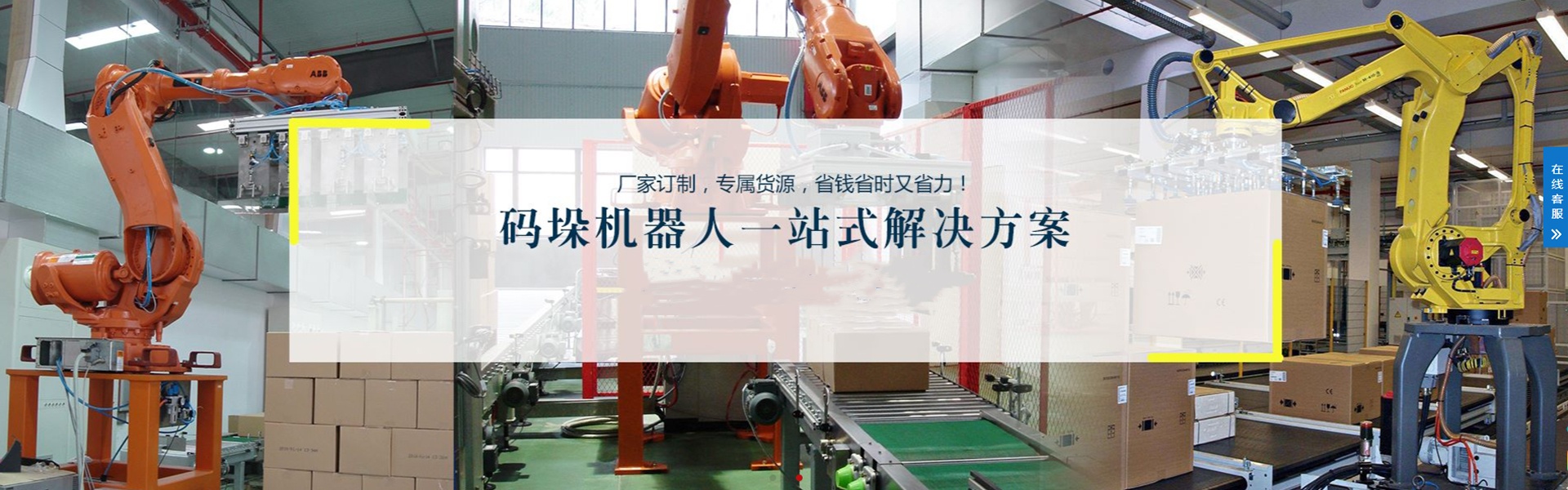
Then, it is designed for easy forklift transportation to storage. The equipment is controlled by a PLC touch screen, achieving intelligent operation and management, which is simple to master. It can significantly reduce labor and labor intensity. The automatic stacker is a device that, based on the customer's process requirements, automatically stacks bags, cardboard boxes, or other packaging materials conveyed by a conveyor belt into piles, and transports the stacked materials.
As automation technology advances, automated stacker equipment has been improved and upgraded. Industry experts explain that the automated stacker is a high-tech product that utilizes advanced electrical integration. Mid-to-low-level stackers can meet the production demands of medium-to-low output, while automatic stackers are more suitable for high-volume production. Fully automatic stackers can stack a variety of products, such as bags, foam blocks, and boxes, according to required grouping methods and layers. Optimized design ensures compact and tidy stacks. The automated stacking system can significantly reduce labor and labor intensity, representing a high-tech product in the development of modern industrial society. It is of great importance for enhancing productivity and reducing costs.
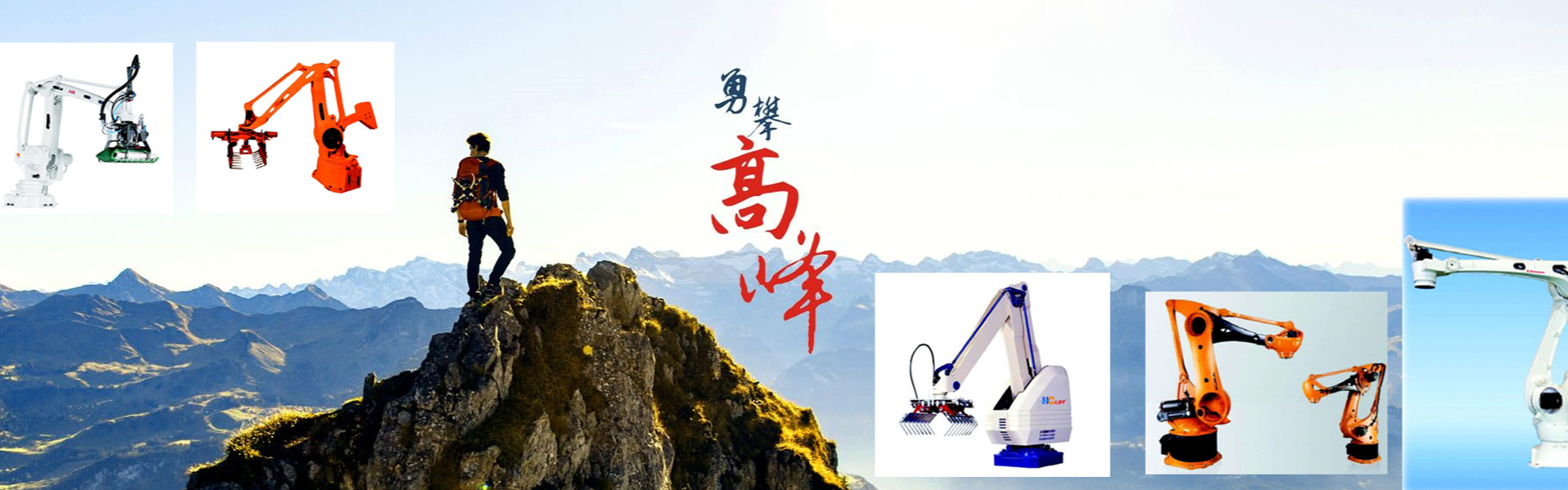
Currently, the application of robots is increasingly prevalent, with stacker robots not only performing stacking functions but also serving as transport and loading/unloading robots. Stacker robots are primarily used in chemical raw material factories, packaging factories, and for large objects. Some products are harmful to humans, such as medicines, feed, fertilizers, flour, cement, and microbiological preparations. Stacker robots designed for these harmful products have seen greater application. Industry experts indicate that with the widespread use of stacker robots, their future applications will expand to more fields, such as microbiological preparations, and others. Stacker robots can replace humans in completing high-risk, high-demand transportation and loading/unloading tasks, aiding in the more scientific and stable development of the industry. As the times evolve, the stacking process of products has transitioned from manual labor to mechanical automation and robotics. The increasing variety of stacking methods reflects the growing sophistication of China's mechanical manufacturing industry. Highly automated and intelligent mechanical equipment will help various industries achieve more efficient, safe, and convenient production and management operations, contributing to the more stable development of the Chinese economy.
