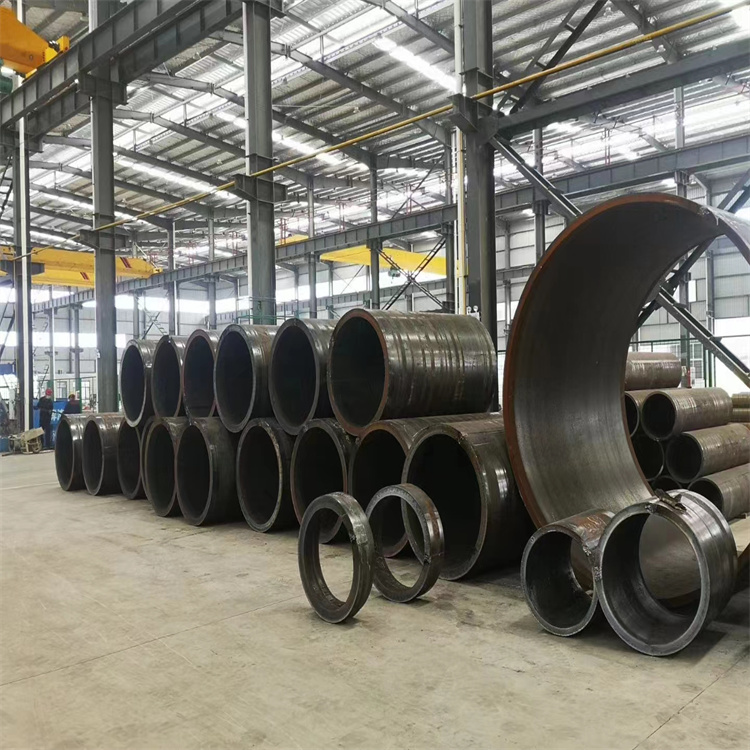
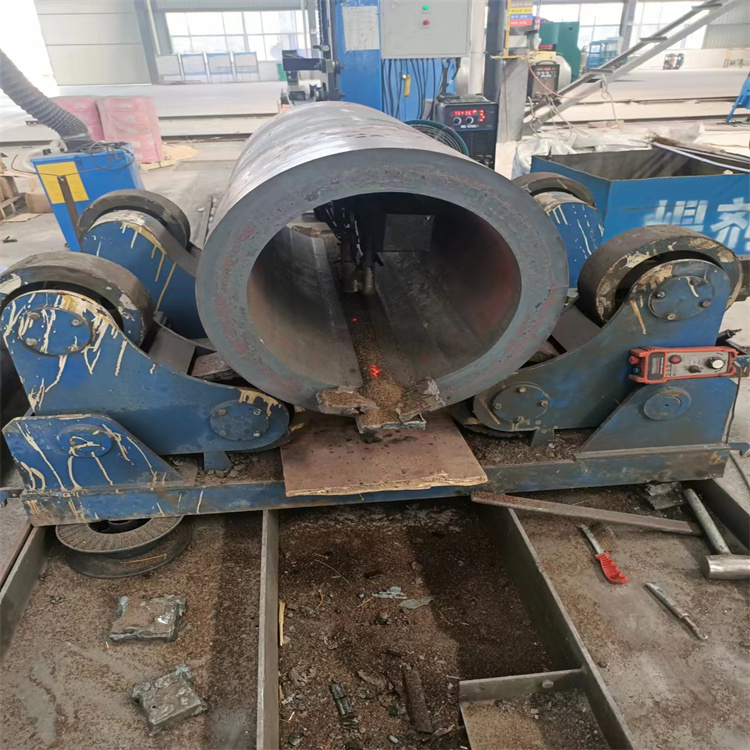
 Seamless Welded Pipe
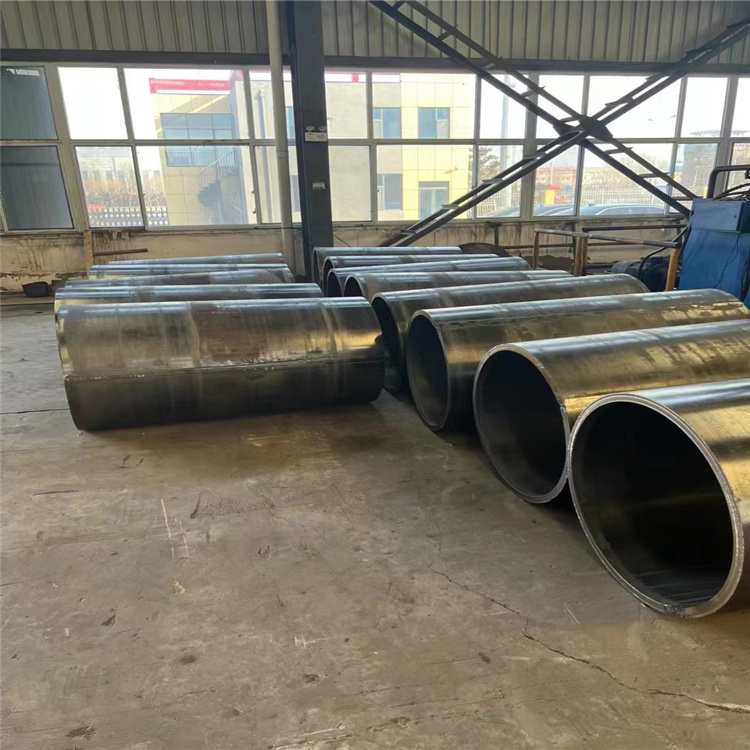 Steel coil pipe
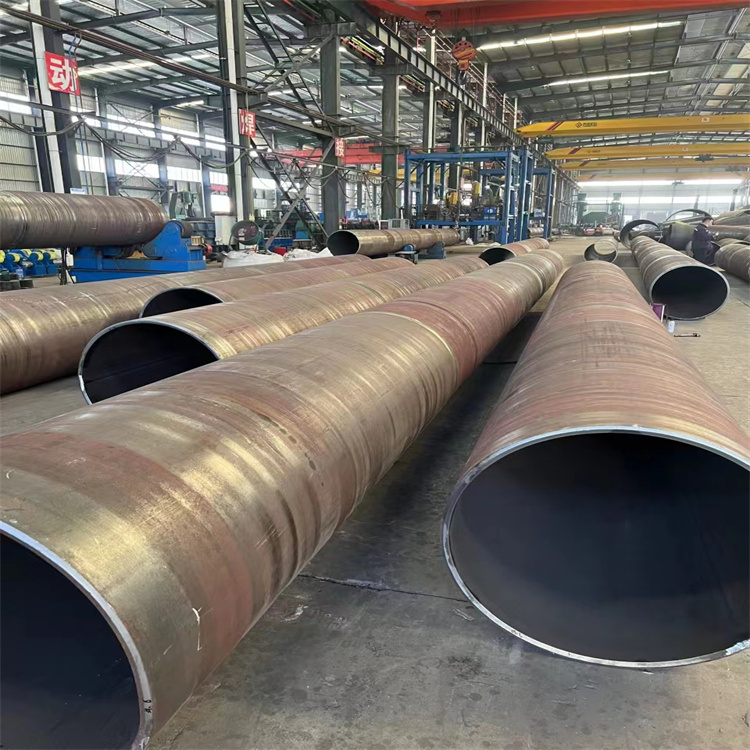 Thick-walled large diameter coil pipe
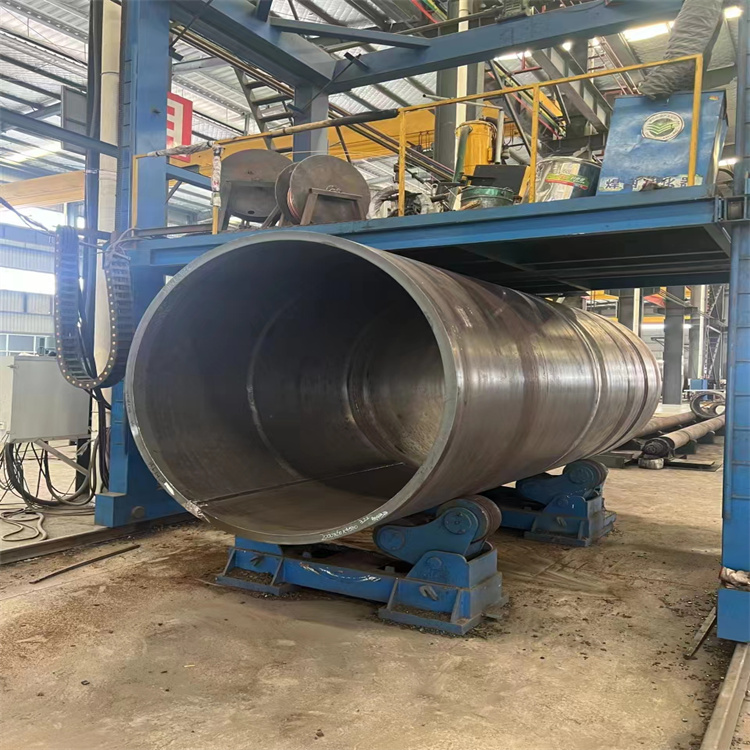 Thick-walled large-diameter welded pipe
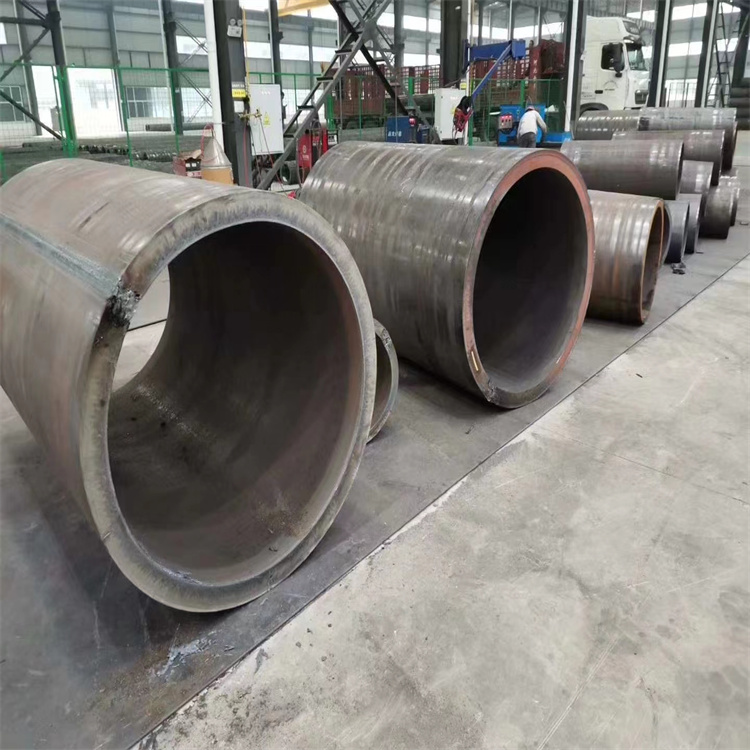 Cutting Welded Pipe
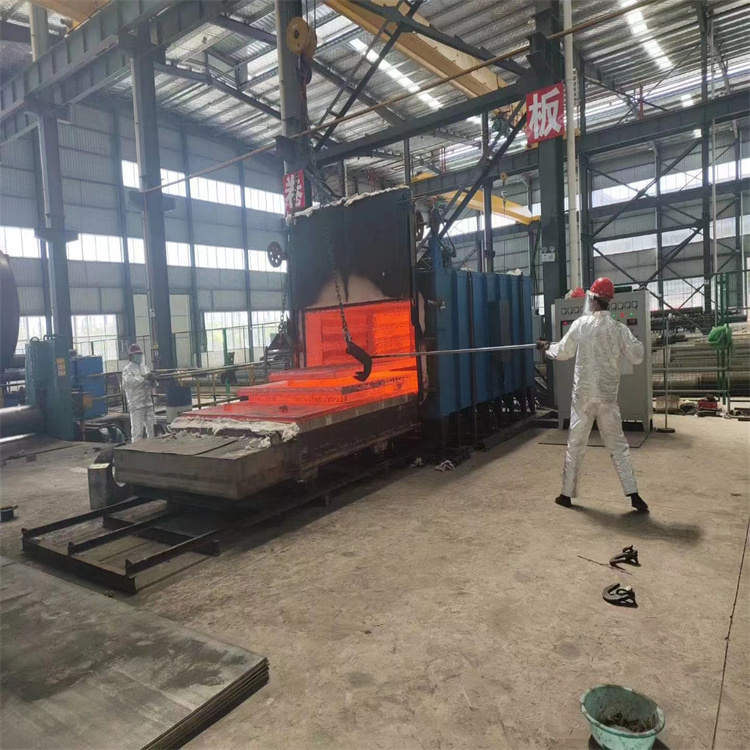 Submerged Arc Welded Pipe
 Large Diameter Coiled Pipe
Product Details


产品Price 3500.00/tons
最小起订Quantity:1 tons 供货总Quantity: 190000 tons
Coil Pipe in Stock | Coil Pipe Wholesale | Large Scale Coil Pipe Manufacturer In the production of coiled steel, most processing of steel billets or ingots involves pressure processing to induce plastic deformation. The processing of steel for coiling is divided into cold rolling and hot rolling based on the processing temperature. The primary processing methods for steel used in coiling include: Rolling: A pressure working method where steel billets are passed through the gap between a pair of rotating rolls (various shapes), causing the material cross-section to decrease and length to increase due to the compression from the rolls. This is the most commonly used production method for producing steel for coiled pipes, mainly used to produce profile steel, sheet steel, and pipe steel. It is divided into cold rolling and hot rolling. Forging steel for rolled pipes: A pressure processing method that utilizes the reciprocating impact force of a forging hammer or the pressure of a press to change the billet into the required shape and size. Generally divided into free forging and die forging, commonly used in the production of large-section rolled pipe materials with larger cross-sectional dimensions, such as billets. Drawn steel tube material: a process that involves pulling rolled metal billets (shapes, tubes, products, etc.) through die holes to reduce cross-section and increase length, commonly used in cold working. Extrusion: A processing method where steel for coiled tubing is placed inside a closed extrusion chamber, pressure is applied at one end, causing the metal to be extruded through a specified die to form a finished product with the same shape and dimensions. This method is commonly used in the production of steel for coiled tubing in non-ferrous metals.