

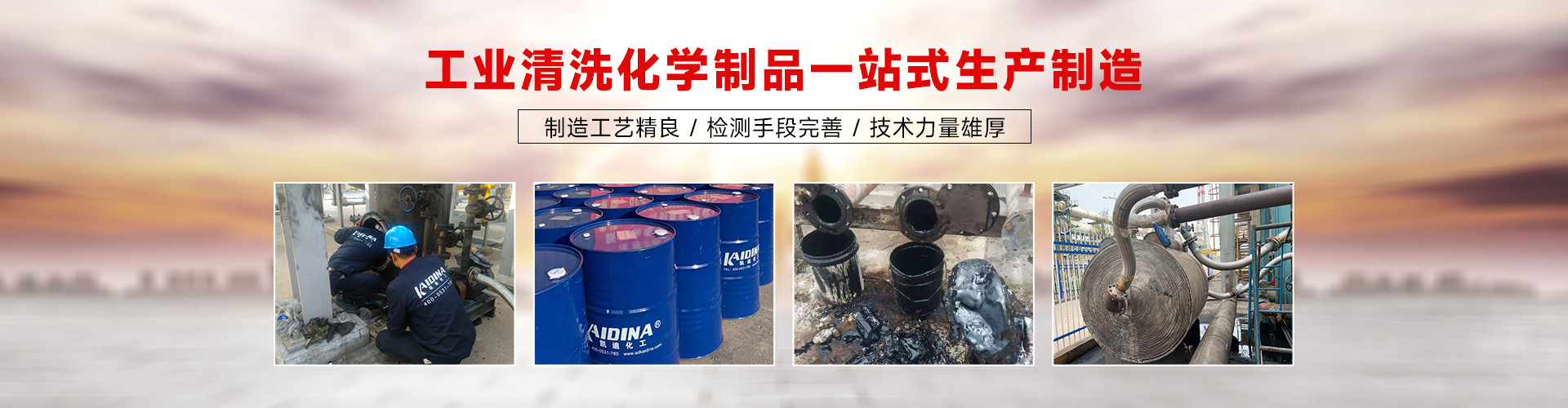
Regardless of how high-quality the thermal oil may be, prolonged use will lead to deterioration due to the temperature of the heating source far exceeding the normal operating temperature of the thermal oil. This can result in coking and carbon buildup on the metal surface, which increases thermal resistance, causing a reduction in thermal efficiency and an increase in energy consumption, along with various hazards and safety risks. Under what circumstances should a thermal oil system be cleaned?
One: The boiler's incoming oil pressure has increased from the original set pressure, the outgoing oil pressure has decreased, the amount of fuel used daily has increased, the carbon buildup in the boiler tubes has thickened, the active diameter has decreased, directly affecting heat transfer, slowing down the heating speed, and increasing the exhaust gas temperature.
The discrepancy between the oil outlet and return temperatures is too great, leading to a reduction in pipeline bore size, thickening of carbon deposits, or blockages in certain sections. This results in uneven heating of the product, a reduction in output quantity, and an inability to guarantee product quality.
Prior to replacing the heat transfer oil, it is crucial to clean the boiler and the circulating system. Failure to do so may leave some waste oil residue in the pipes, contaminating the new oil and reducing its service life.
Four, due to long-term high-temperature heating, the boiler tube is subject to thermal oil degradation, leading to increased carbon accumulation, which in turn affects the thermal conductivity. It is necessary to clean the boiler at regular intervals to ensure its normal operation and to extend the lifespan of the thermal oil and equipment.
How should one clean it?
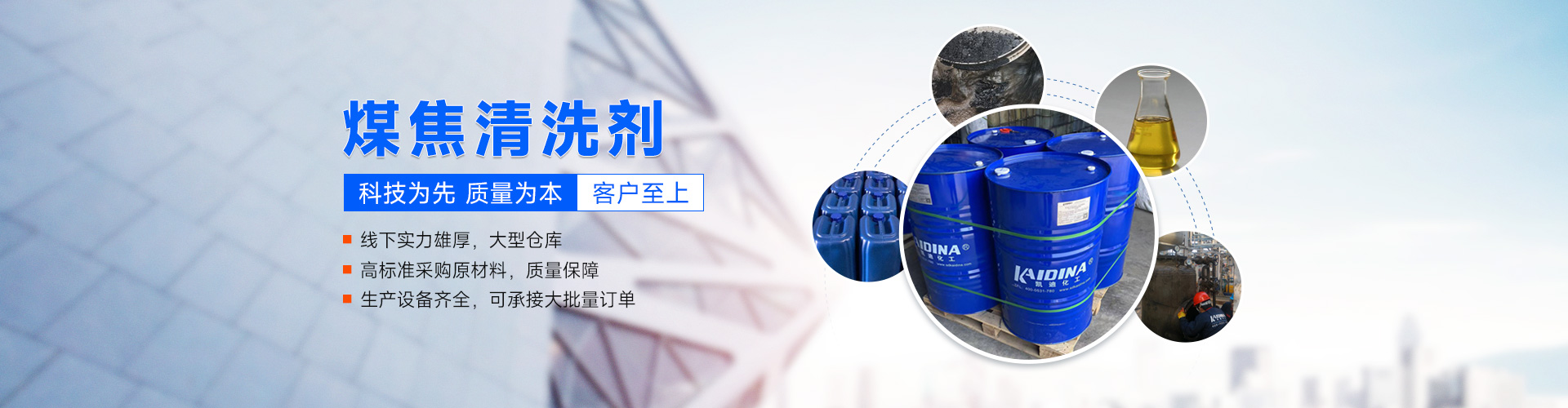
It's crucial to select an appropriate thermal oil cleaner that can dissolve and remove oil residues and mineral deposits adhering to the tube walls, without causing corrosion to the equipment or damage to the newly added thermal oil.
