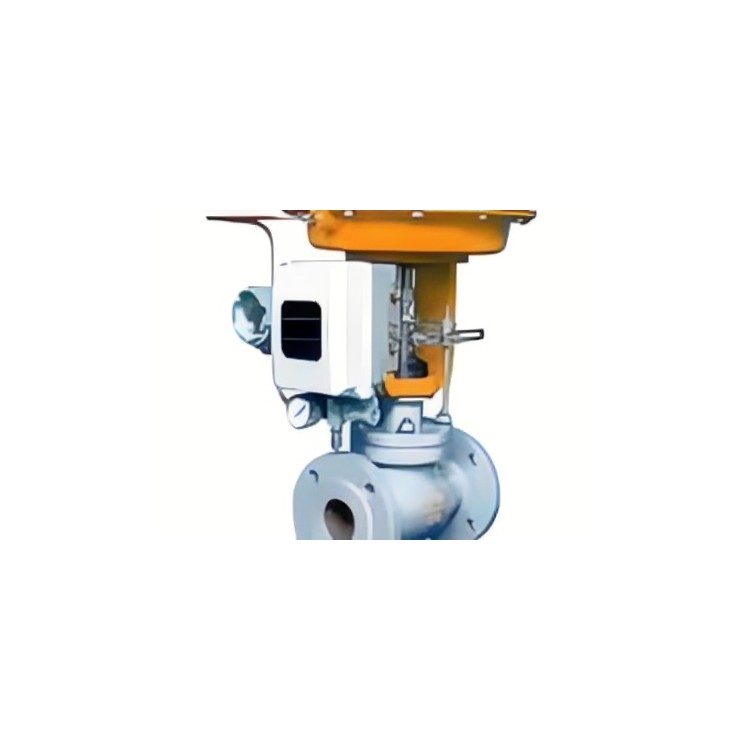
In the automated control of modern factories, control valves play a crucial role. These factories' production relies on the correct distribution and control of flowing media. Whether it's for energy exchange, pressure reduction, or simple container filling, certain control elements are required to accomplish these controls.
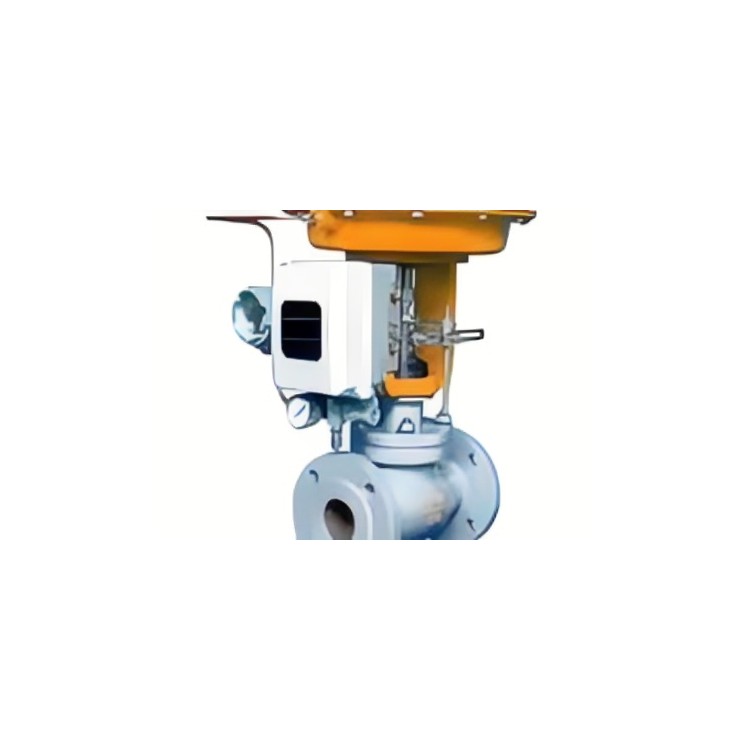
The regulating valve functions as a variable resistance in the pipeline. It alters the turbulence of the process fluid or provides a pressure drop under laminar flow conditions, with the pressure drop resulting from changes in the valve resistance or "friction." This pressure reduction process is typically referred to as "throttling." For gases, it approaches an isothermal adiabatic state, with deviations depending on the degree of non-ideality of the gas (Joule-Thomson effect). In the case of liquids, the pressure is dissipated by turbulence or viscous friction, both of which convert pressure into thermal energy, slightly increasing the temperature.
Common control loops consist of three main parts, one of which is the sensitive element, typically a transmitter. It is a device used to measure controlled process parameters such as pressure, level, or temperature. The transmitter's output is sent to the control instrument—a controller—which determines and measures the deviation between the setpoint or desired value and the actual process parameter value, sequentially sending correction signals to the control element—a regulating valve. The valve alters the flow rate of the fluid, thereby achieving the desired process parameter value.
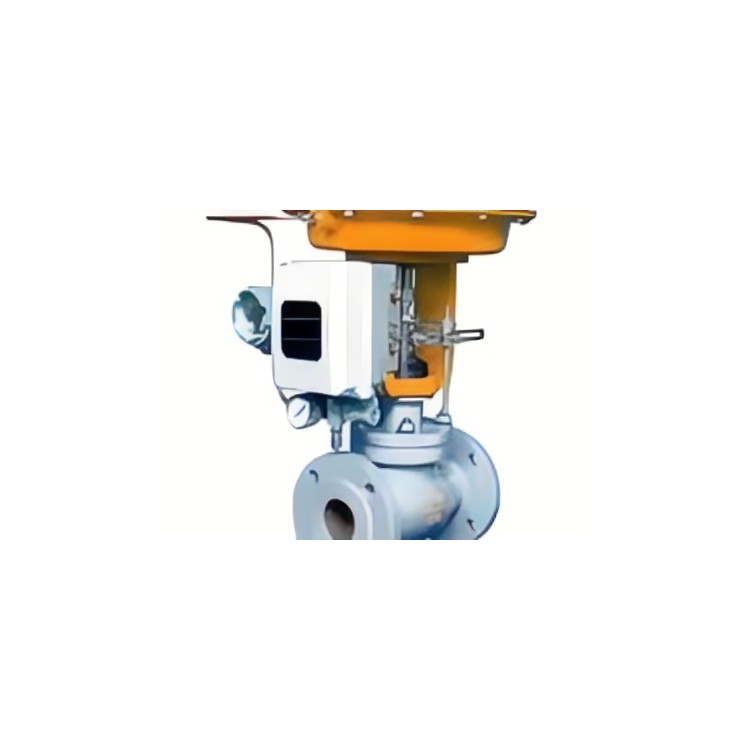
Regulating valves belong to the control valve series and primarily serve to adjust parameters such as pressure, flow rate, and temperature of the medium. They act as control elements within the process loop.
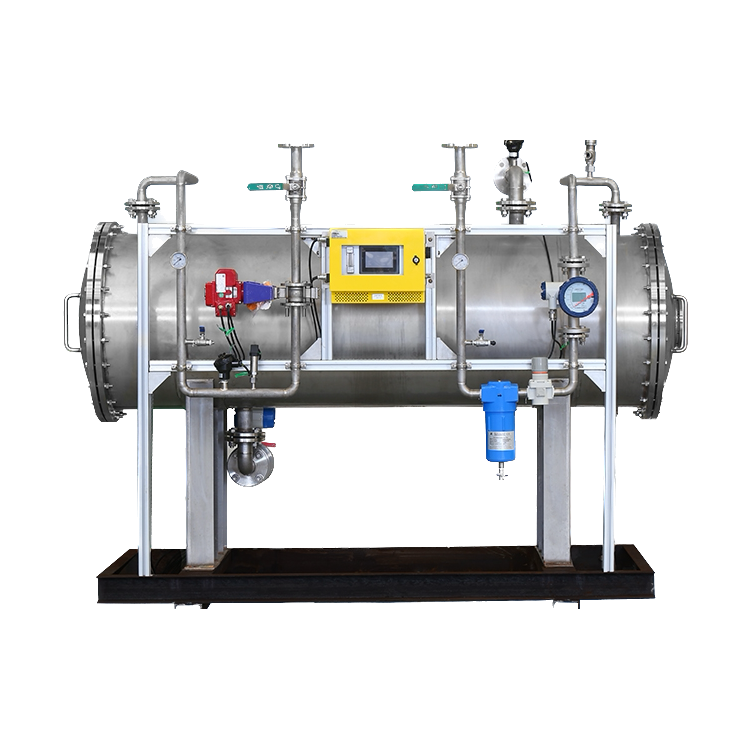 Ozone Generator
 Medium-Size Ozone Generator
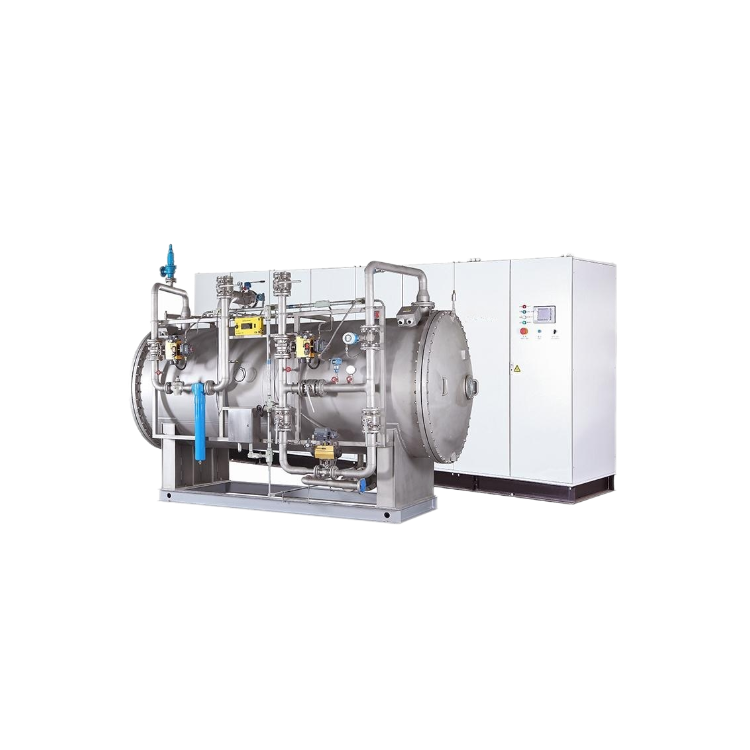 Large ozone generator

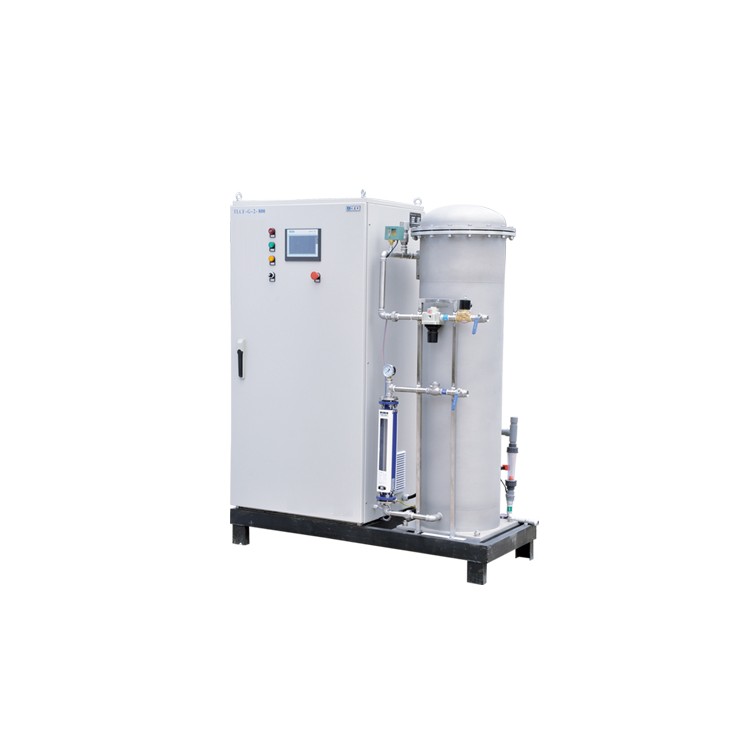 Water-Cooled Ozone Generator
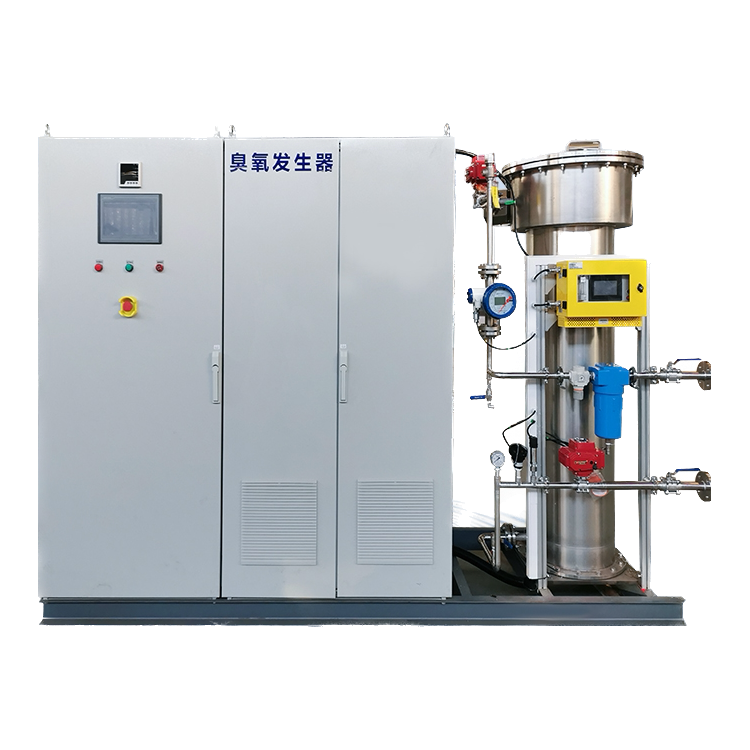 Ozone Generator for Wastewater Treatment