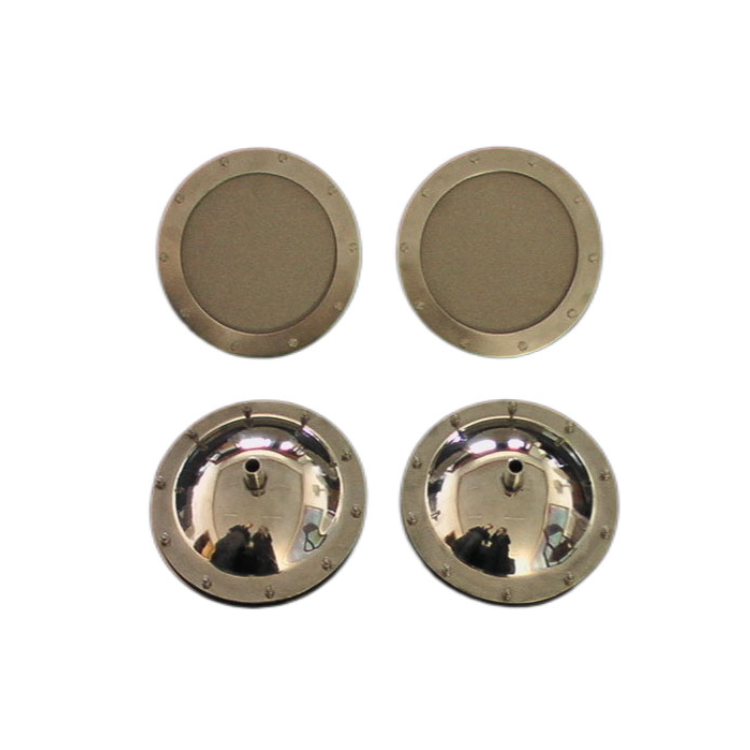
Aeration disk is a device used to increase oxygen content in water bodies, widely applied in wastewater treatment and aquaculture fields. The aeration disk promotes oxygen dissolution in water by introducing air, thereby improving water quality and fostering the growth of organisms. The design and performance of the aeration disk directly affect its efficiency and effectiveness in the water treatment process.
The main types of aeration disks include:
Aeration Disc: This is a novel aeration device developed in the 1980s, featuring small bubble diameter, small gas-liquid interface diameter, large gas-liquid interface area, and uniform bubble diffusion. After undergoing oxygenation tests with clean and wastewater, and being used by multiple users, it demonstrates lower energy consumption and higher treatment capacity compared to traditional products. This aeration disc is particularly suitable for the new construction, expansion, and renovation of old aeration ponds in urban wastewater treatment plants and large factories, and the aeration pond can operate intermittently.
Diaphragm Micro-porous Aeration Disc: This aeration disc is installed through a specific installation procedure, including reviewing the installation construction drawings, verifying the on-site pond dimensions, and installing adjustable pipe supports. The diaphragm micro-porous aeration disc introduces air into the water through micro-pores, increasing the oxygen content in the water, and is suitable for aquaculture and wastewater treatment.
Nano Oxygenation Disc: This is an aeration equipment utilizing aquaculture technology, introducing air into the water through nano aeration tubes to produce a large number of fine bubbles, significantly increasing the oxygen content in the water and enhancing water flow. Suitable for high-density aquaculture and wastewater treatment, it has the effect of increasing dissolved oxygen.
The technical specifications of the aeration disk include size, service area, average pore opening of the aeration film, air flow rate, overall oxygen transfer coefficient, oxygen utilization rate, aeration capacity, aeration power efficiency, and aeration resistance, which directly impact the performance and application scope of the aeration disk.
In summary, aeration disks increase oxygen levels in water by introducing air, improve water quality, and promote biological growth. Different types of aeration disks have unique features, suitable for various application scenarios.
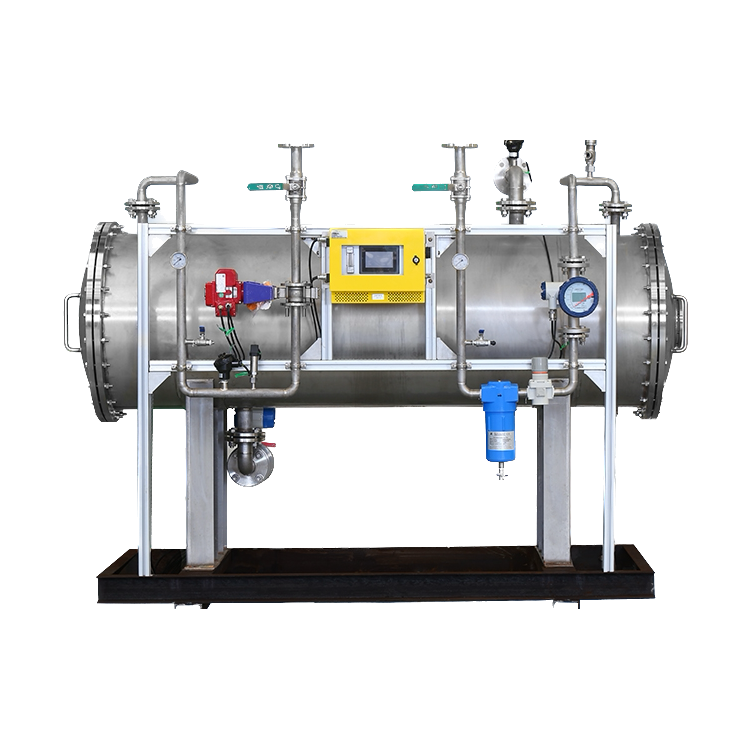 Ozone Generator
 Medium-Size Ozone Generator
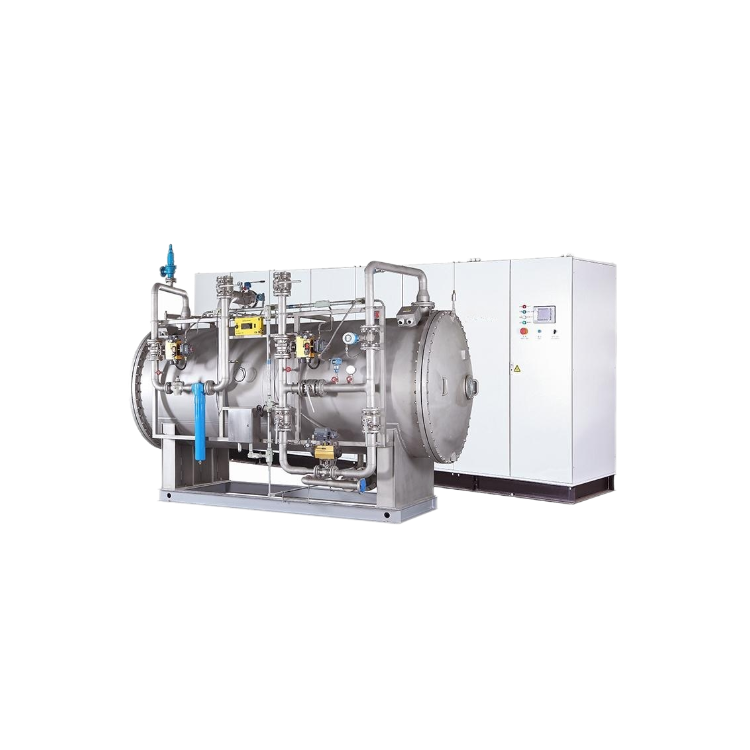 Large ozone generator

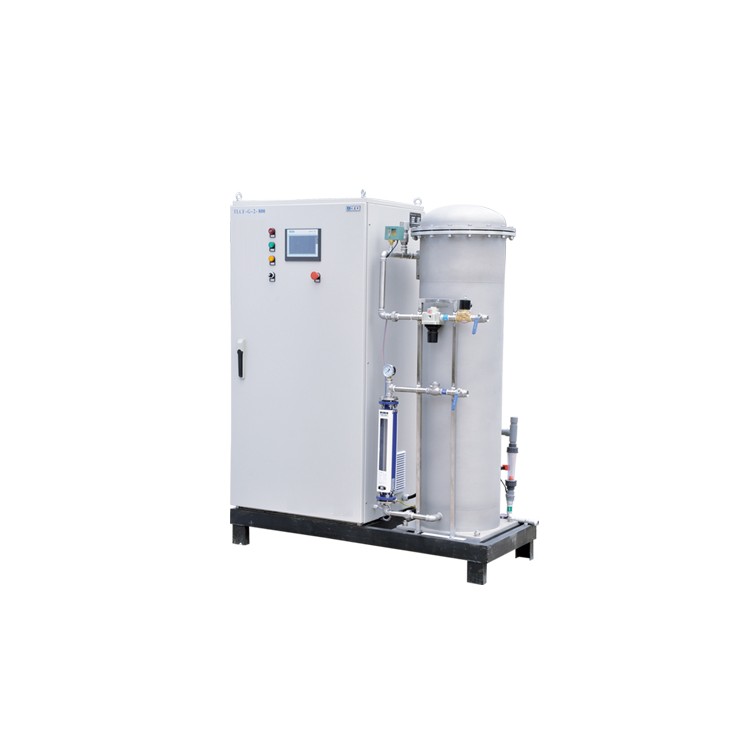 Water-Cooled Ozone Generator
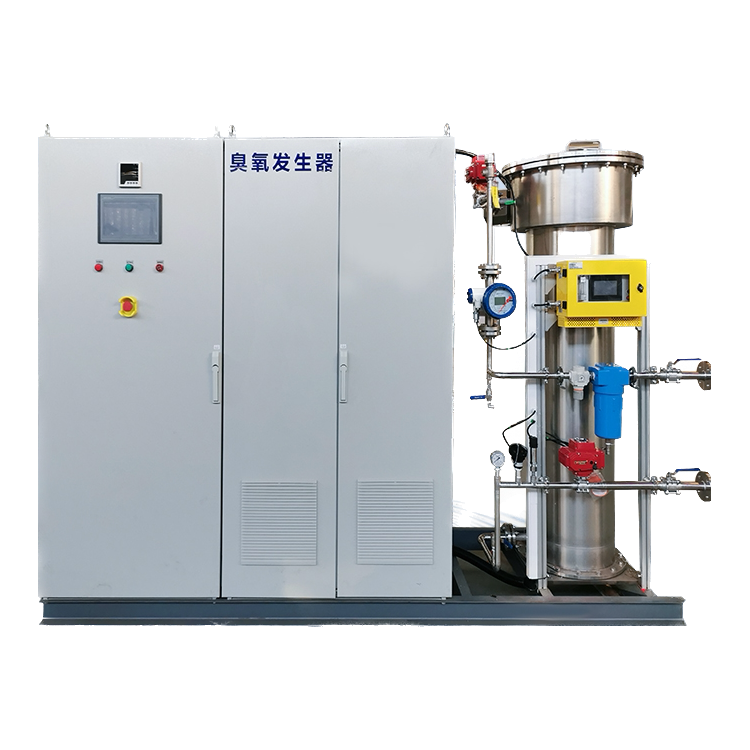 Ozone Generator for Wastewater Treatment