
I. Technical Background
Ozone generators' application in flue gas denitrification relies on the advanced oxidation process of ozone, which converts NO (nitric oxide) in flue gas into NO2 (nitrogen dioxide), which is then absorbed by water or alkaline solutions to achieve denitrification. As a strong oxidizing agent, ozone not only effectively removes NOx (nitrogen oxides) but also treats other harmful gases and heavy metal pollutants in flue gas.
II. Application Advantages
Efficient DenitrificationOzone denitrification technology can achieve a high denitrification efficiency, even exceeding 90%, particularly suitable for low-temperature flue gas denitrification.
MultifunctionalityIn addition to denitrification, it can also desulfurize, dehydrate mercury, etc., achieving "one tower for multiple removals."
Environmental Protection and Energy EfficiencyOzone oxidation is selective and can be adjusted according to the concentrations of various pollutants in the flue gas, thereby reducing unnecessary consumption.
Compact land areaCompared to traditional processes, the ozonation denitrification system requires lower capital investment and occupies less space.
Market Status
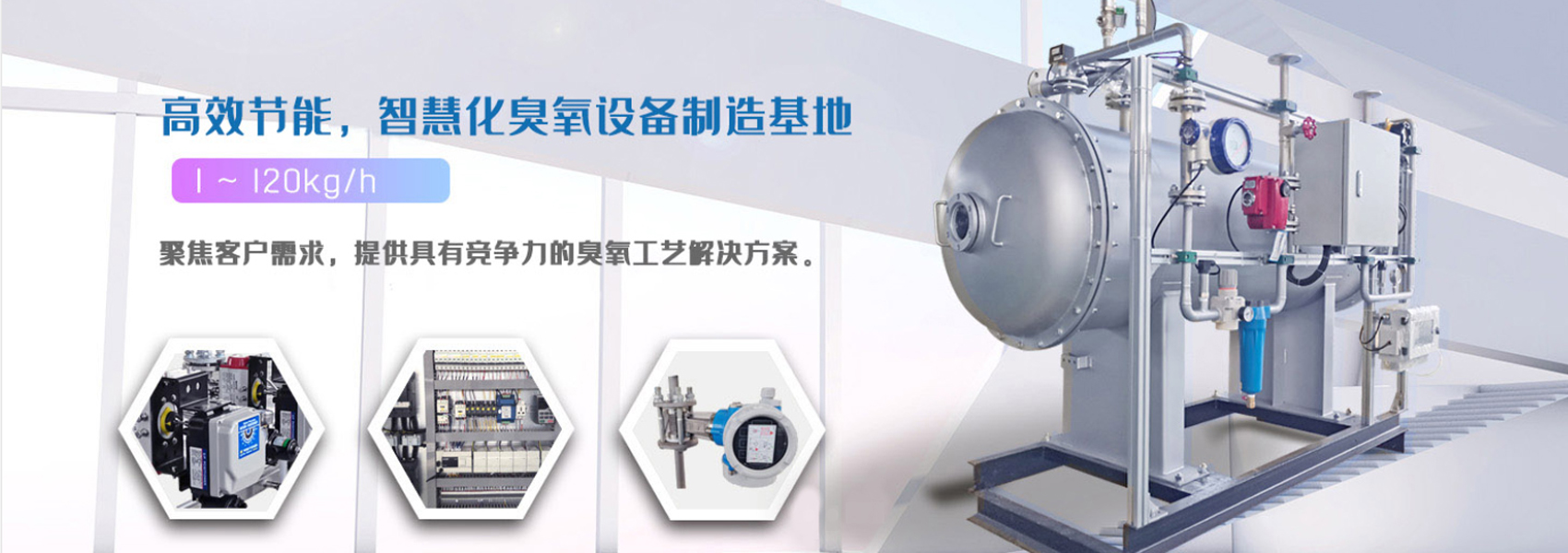
Several companies have produced large ozone generators suitable for flue gas denitrification, with these ozone generators widely used in industrial sectors such as oil refineries, power plants, and boiler smelting factories.
Case Studies
For the situation of "3 units of 35 kg ozone generators for flue gas denitrification in oil refining enterprises awaiting installation," it can be inferred that:
Equipment SelectionThe 35-kilogram ozone generator is a medium-to-large scale device, suitable for handling larger volumes of flue gas. Refining enterprises select this specification of ozone generator based on their own flue gas emissions and denitrification requirements.
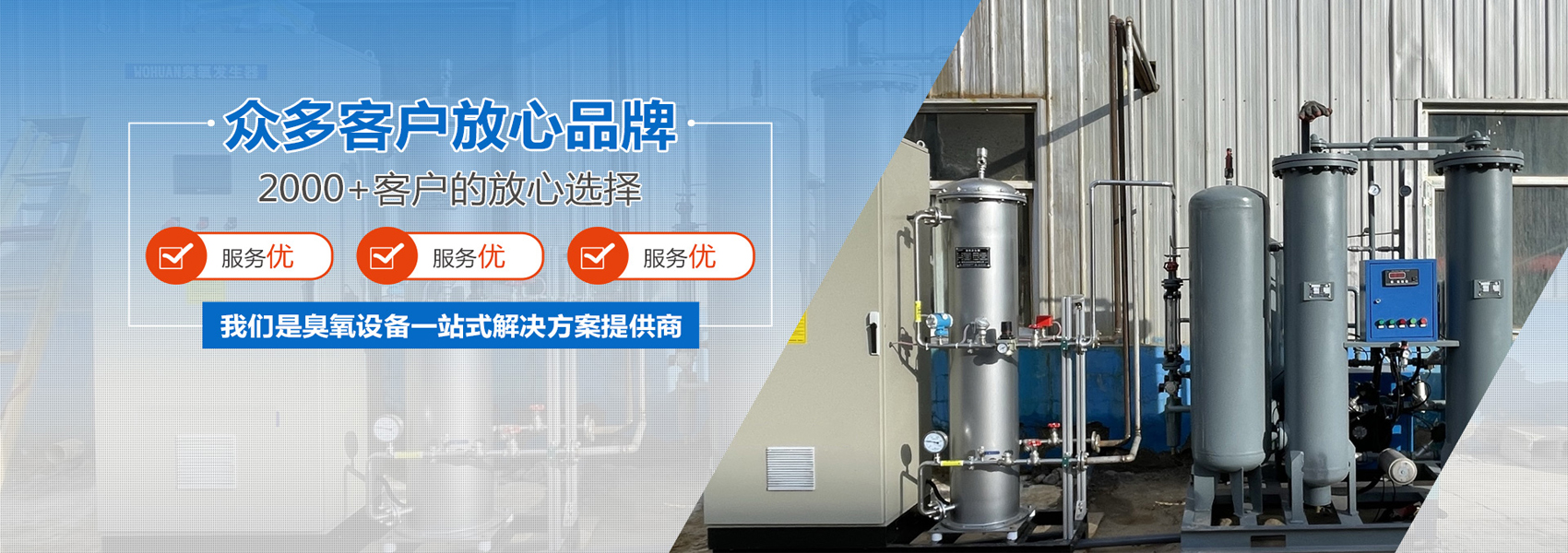
Installation PreparationsThe equipment to be installed on-site may include an ozone generation system, power system, intelligent control system, and gas source system, among other components. These units must undergo tuning and inspection prior to installation to ensure all parts operate correctly.
Construction ScheduleThe installation site requires a professional construction team to handle operations, including equipment hoisting, pipeline connections, and electrical wiring. Additionally, a detailed construction plan and safety measures must be established to ensure the smooth progress of the construction process.