
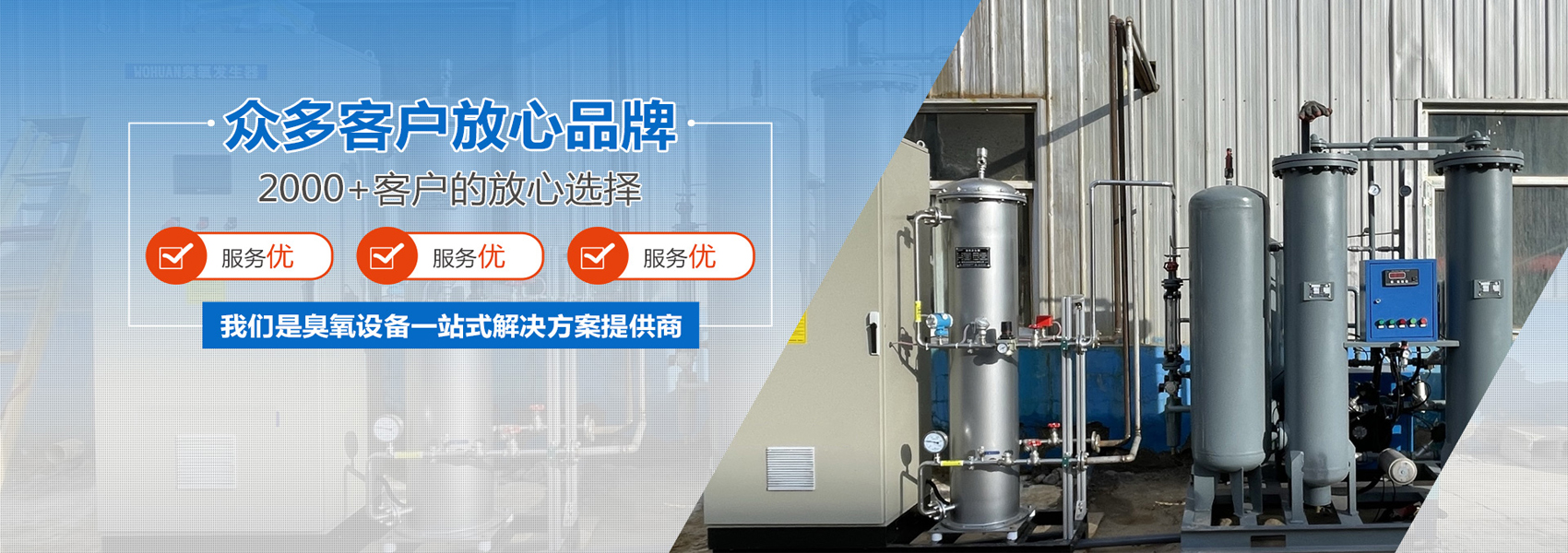
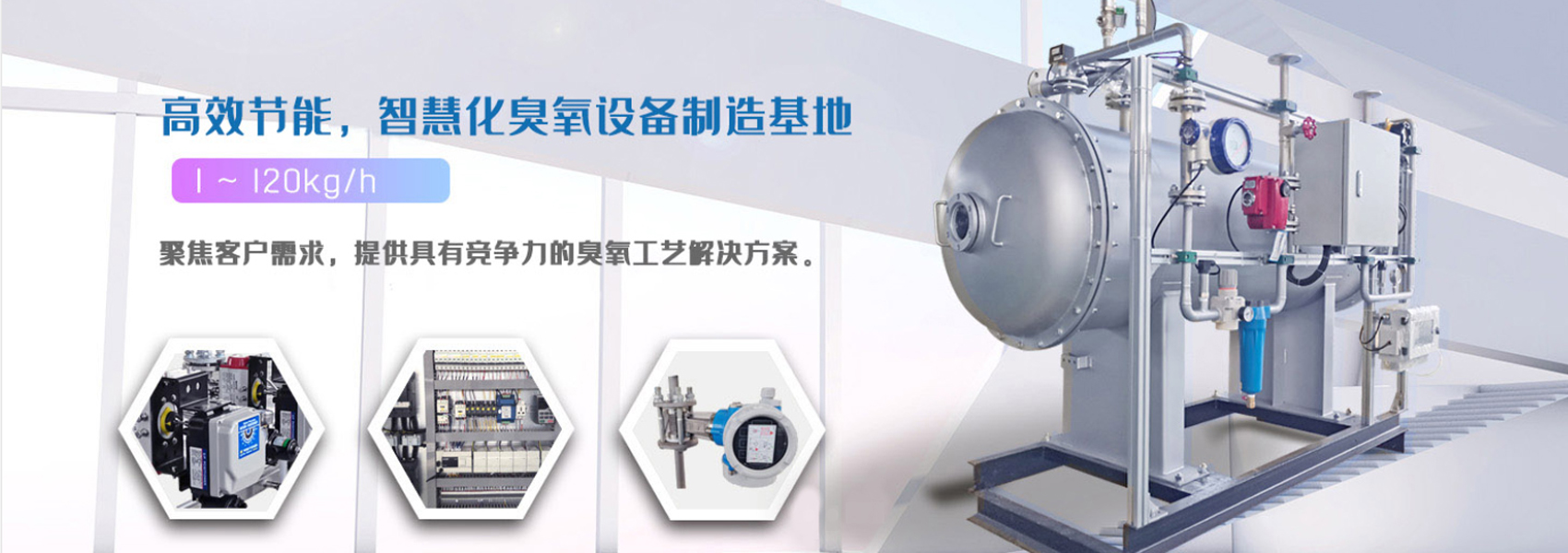
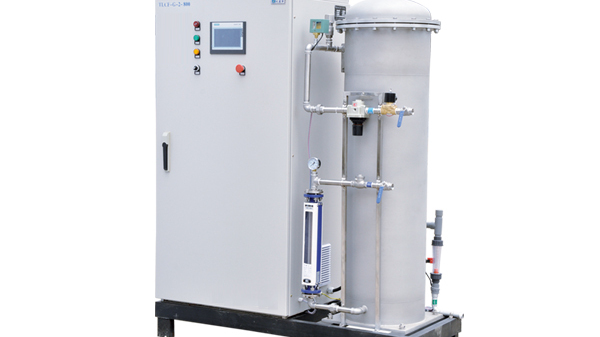
Ozone is an independent organic disinfectant that simplifies sanitation facilities and eliminates various microorganisms (ozone-killed organisms). Compared to halogenated chemicals, ozone has a sterilization speed 10 to 5,000 times faster. As a result, it is widely used. Ozone cannot be stored and must be produced on-site through ozone generators. There are various types of ozone generators, including air-cooled and water-cooled, as well as air-source and oxygen-source models. Depending on output, different models are available such as 1g, 3g, 5g, 10g, 20g, 100g, 200g, and larger capacity equipment. It is crucial to choose the appropriate model based on the specific application scenario.
1. Brand Confirmation
When purchasing an ozone generator, make sure to choose a recognized brand and verify the key components of the ozone generator.
2. Application Scenarios
When making a choice, it's crucial to first clarify the actual use of the product. Is it for air disinfection and odor removal, or for water treatment? Ozone generators for air disinfection are primarily used for sterilization in food factories, kindergartens, and other similar settings. Products for water treatment are commonly used in wastewater, tap water, mineral water, and effluent treatment fields.
Ozone Production
Once the operating environment is determined, the next step is to identify the ozone generator's output. How should the calculation be performed?
During air sterilization, ozone generator manufacturers typically calculate the required ozone output based on the area of your space. For instance, for general workshop sterilization, if the room is 100 square meters with a height of 2.5 meters, the required ozone output should be between 15 to 20 grams per hour.
If the cleanliness level is higher, the situation differs. For water treatment, the output of the ozone generator required must be determined based on factors such as water quality and daily water usage.