
Common aluminum strip alloys include 1100, 1050, 1060, 1070, 1100, 3003, 3004, 5005, 5052, 8011, etc. Common tempers are O and H states. O denotes soft, while H indicates hard. Numbers following O and H can represent the degree of softness or hardening, as well as the annealing level.
Aluminum strips find numerous applications, including: aluminum-plastic composite pipes, cables, optical fibers, transformers, heaters, louver transformer aluminum strips (transformer foil), hollow aluminum strips for high-frequency welding, aluminum strips for finned radiators, aluminum strips for cables, stamping aluminum strips, and aluminum edge strips, among others.
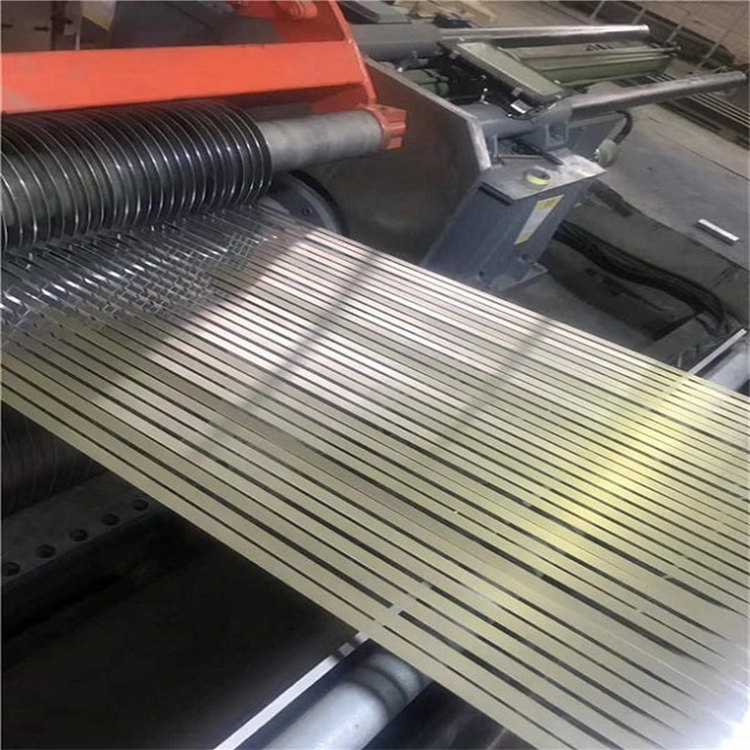
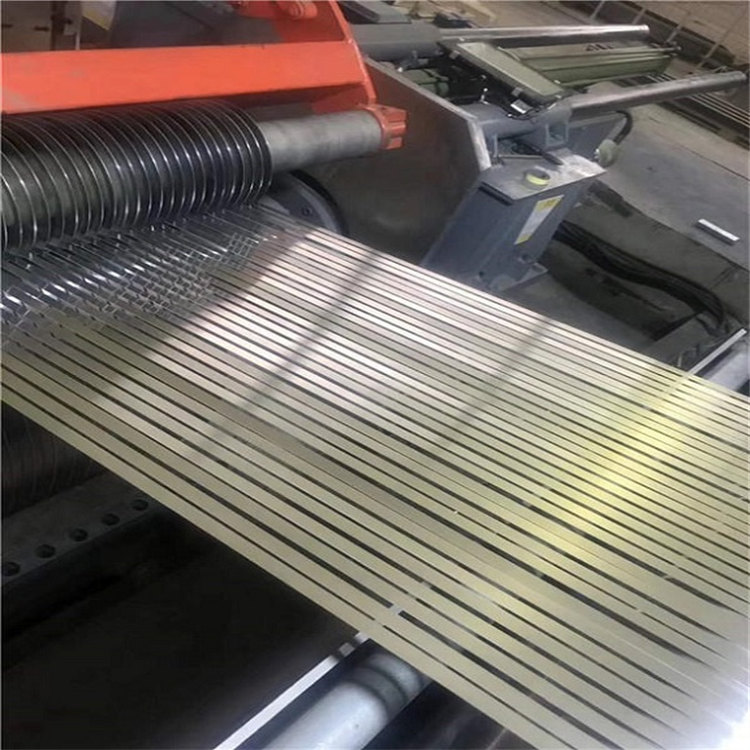
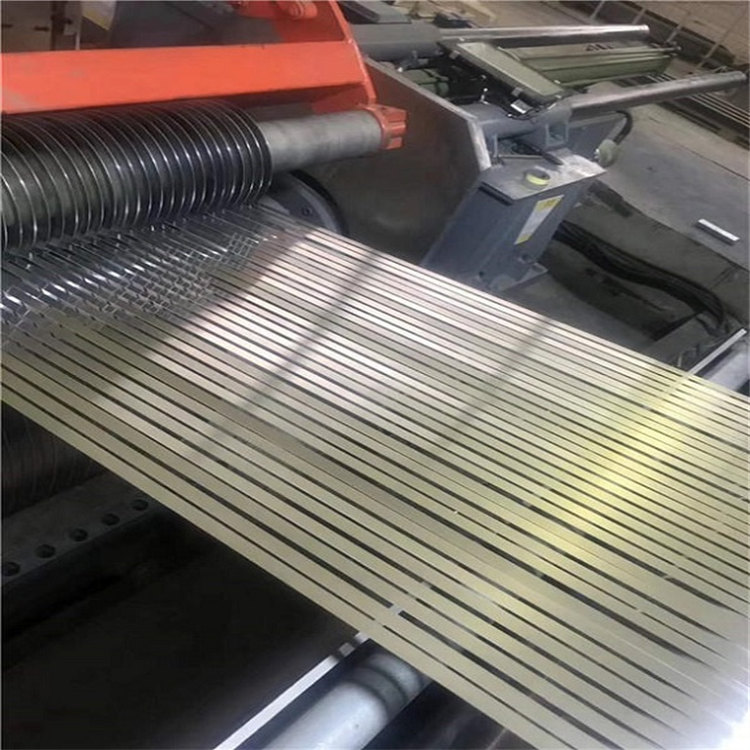
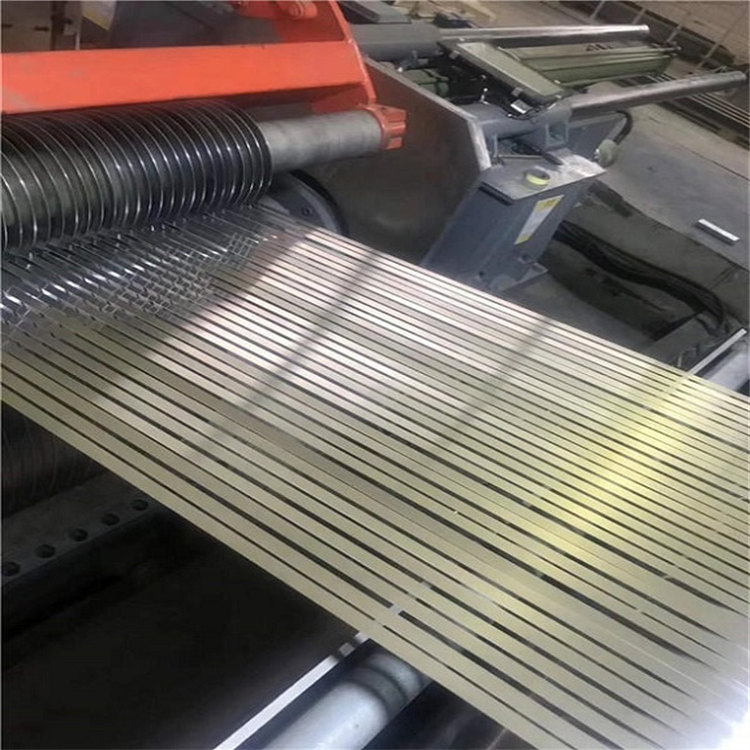
Aluminum strip is a deep-processed aluminum product formed by cutting aluminum coils. It is an essential raw material in the industrial sector.
Based on the different annealing states of aluminum strips, they can be categorized into fully soft (O-state), semi-hard (H24), and fully hard (h18). Currently, the fully soft series is most commonly used, as the O-state is more easily stretched and bent.
Currently, internationally, there is no longer a sole reliance on copper strips for electronic product raw materials. As aluminum's conductivity is only slightly lower than copper, the substitution of aluminum strips for copper strips is becoming a popular trend internationally.