


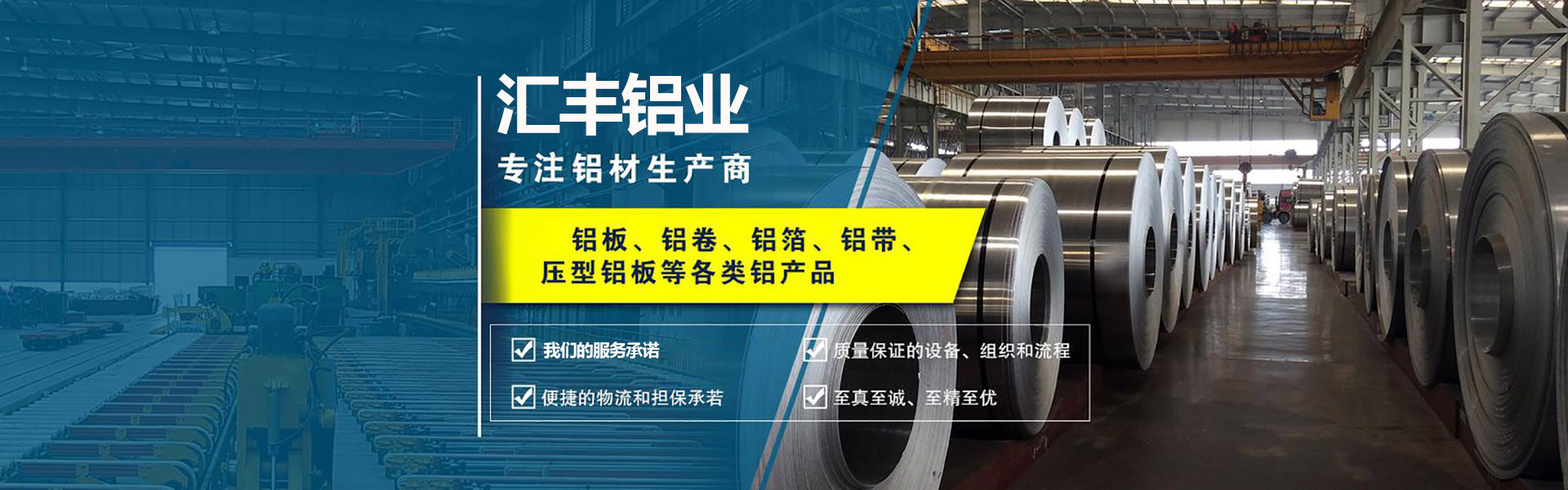

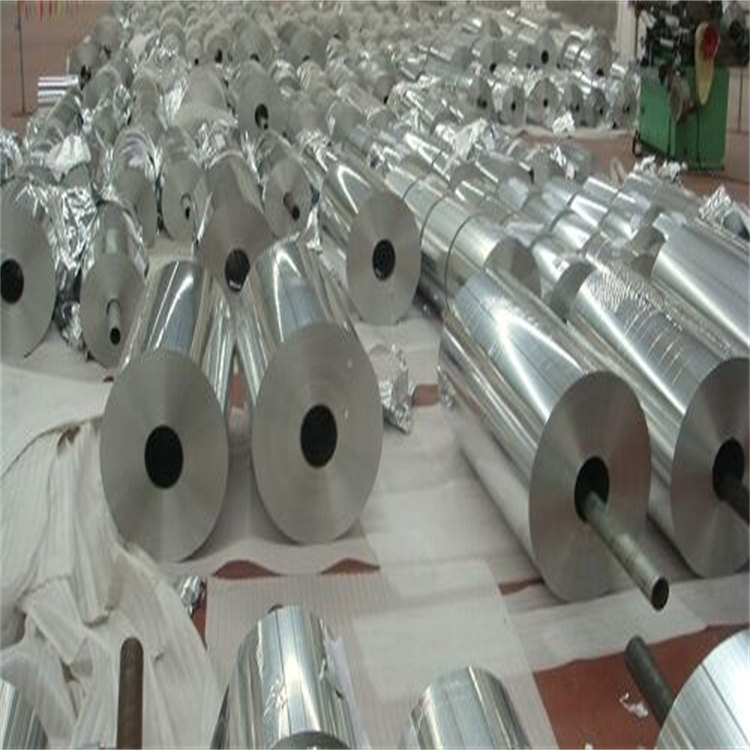

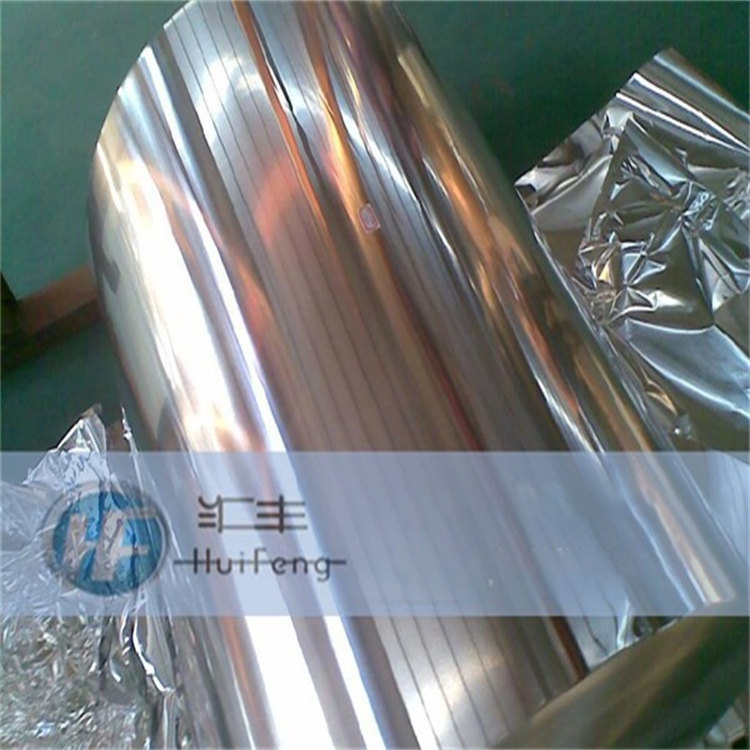
Aluminum foil can be categorized into thick foil, single zero foil, and double zero foil based on thickness differences.
①Heavy Foil: Foil with a thickness of 0.1 to 0.2 mm.
② Single Zero Foil: Foil with a thickness of 0.01mm and less than 0.1mm.
③ Double Zero Foil: Double zero foil refers to foil with a thickness of two zeros after the decimal point when measured in millimeters, typically aluminum foil with a thickness less than 0.01mm, ranging from 0.005mm to 0.009mm.
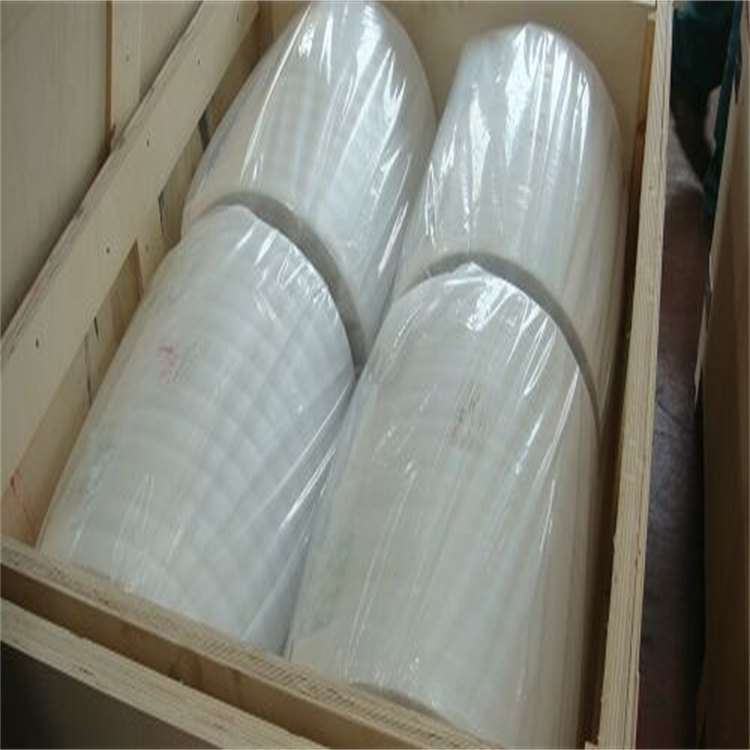
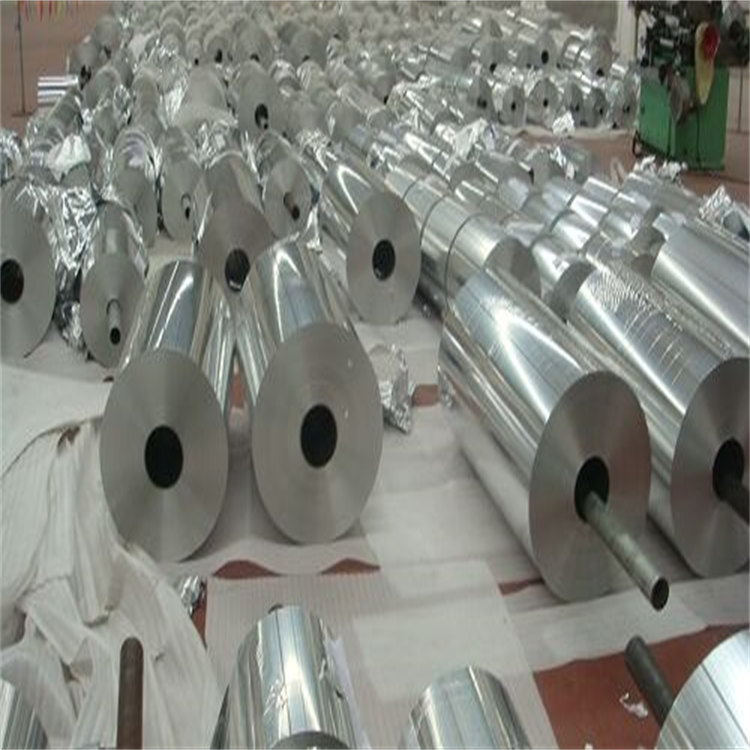
Aluminum foil can be divided into rolled foil and sheet foil. Most deep-processed aluminum foil materials are supplied in rolled form, while sheet foil is only used in a few artisanal packaging scenarios.
Aluminum foil can be categorized into three types: hard foil, semi-hard foil, and soft foil.
Hard foil: Aluminum foil that has not been softened (annealed) after rolling, and has residual oil on the surface when not degreased. Therefore, hard foil must be degreased before printing, lamination, or coating. It can be used directly for forming processing.
② Semi-hard foil: Aluminum foil with hardness (or strength) between rigid foil and soft foil, commonly used for forming processing.
③ Soft Foil: Aluminum foil that becomes soft after sufficient annealing, with a soft texture and no residual oil on the surface. Soft foil is used in most applications, such as packaging, lamination, and electrical materials.
Features
Aluminum foil boasts a clean, hygienic, and glossy appearance. It can be integrated with many other packaging materials, and its printing effect on the surface is superior to that of other materials. Additionally, aluminum foil has the following characteristics:
(1) The foil surface is clean and hygienic, with no bacteria or microorganisms able to grow on it.
(2) Aluminum foil is a non-toxic packaging material that can come into direct contact with food without posing any health risks.
(3) Aluminum foil is a tasteless and odorless packaging material that does not impart any off-odor to the packaged food.
(4) If the foil itself is non-volatile, the foil and the packaged food it contains will never dry out or shrink.
(5) Aluminum foil will not exhibit any oil penetration, whether under high or low temperatures.
(6) Aluminum foil is an opaque packaging material, making it an excellent choice for products exposed to sunlight, such as artificial butter.
(7) Aluminum foil is highly malleable, making it suitable for packaging products in various shapes. It can also be easily formed into containers of any desired shape.
(8) Aluminum foil has high hardness and tensile strength, but its tear strength is low, making it prone to tearing.
(9) Aluminum foil itself cannot be heat-sealed; a heat-resistant material such as PE must be applied to its surface for heat sealing.
