



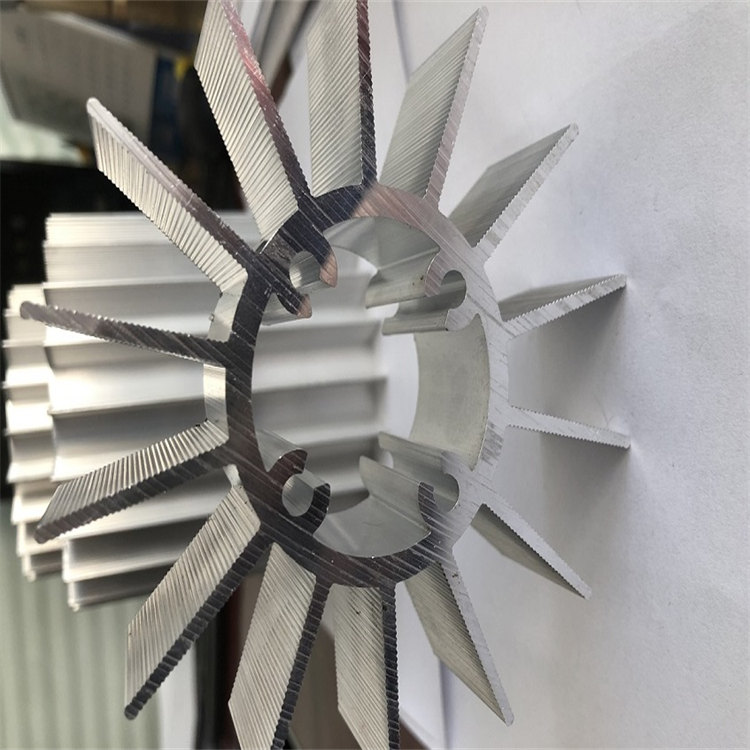
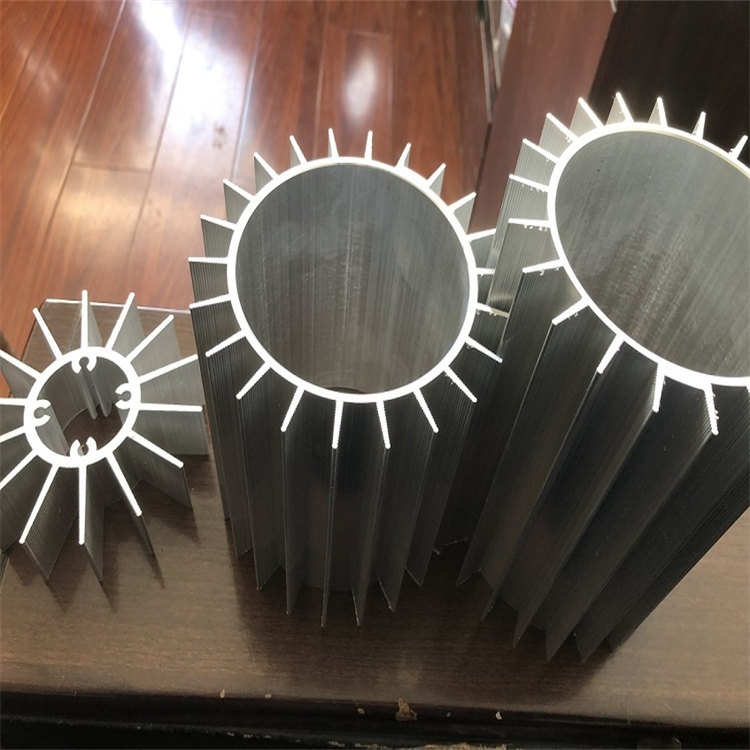
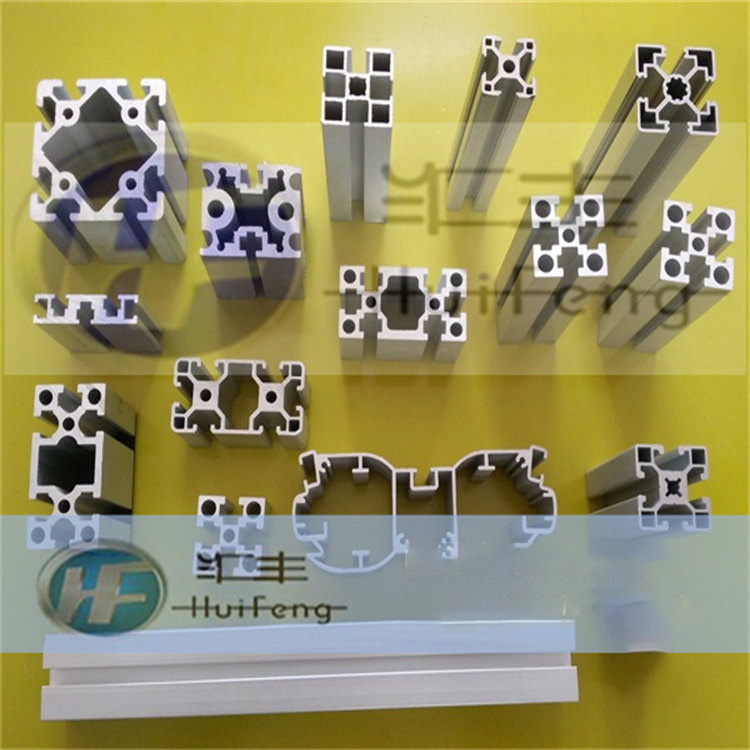
Industrial aluminum profiles are categorized according to surface treatment requirements.
1. Anodized aluminum alloy
Electrophoretic Painting Aluminum Materials
Powder Coated Aluminum Alloy
Wood grain transfer printing aluminum alloy
Fluorocarbon Coated Aluminum Materials
6. Polished Aluminum (divided into mechanical polishing and chemical polishing, with chemical polishing being more expensive in cost and price)
Industrial aluminum profiles are categorized by alloy composition.
Available in alloys such as 1024, 2011, 6063, 6061, 6082, 7075, with 6-series being common. Different grades vary based on the metal composition ratios. Besides the standard window and door aluminum profiles like the 60, 70, 80, 90 series, and curtain wall series, industrial aluminum profiles do not have specific model distinctions.
Characteristics of industrial aluminum profiles
Corrosion resistance
Aluminum profiles have a density of only 2.7g/cm3, which is about one-third of the densities of steel, copper, or brass (7.83g/cm3, 8.93g/cm3, respectively). Aluminum exhibits excellent corrosion resistance under most environmental conditions, including air, water (or saltwater), petrochemicals, and many chemical systems.
Conductivity
Aluminum profiles are often chosen due to their excellent conductivity. On a weight-to-weight basis, aluminum's conductivity is nearly twice that of copper.
Thermal Conductivity Rate
The thermal conductivity rate of aluminum alloy is approximately 50-60% of copper, which is beneficial for manufacturing heat exchangers, evaporators, heating appliances, cooking utensils, as well as car cylinder heads and radiators.
Non-magnetic
Aluminum profiles are non-magnetic, an important characteristic for the electrical and electronics industries. They are also non-flammable, which is crucial for applications involving handling or contact with flammable and explosive materials.
Recyclable
Aluminum is recyclable, with recycled aluminum having properties almost identical to primary aluminum.


