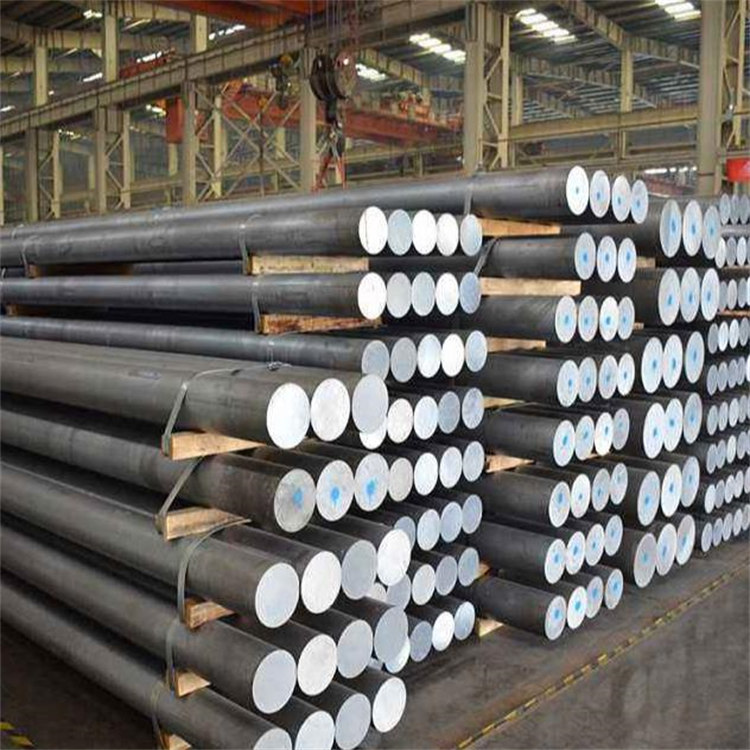

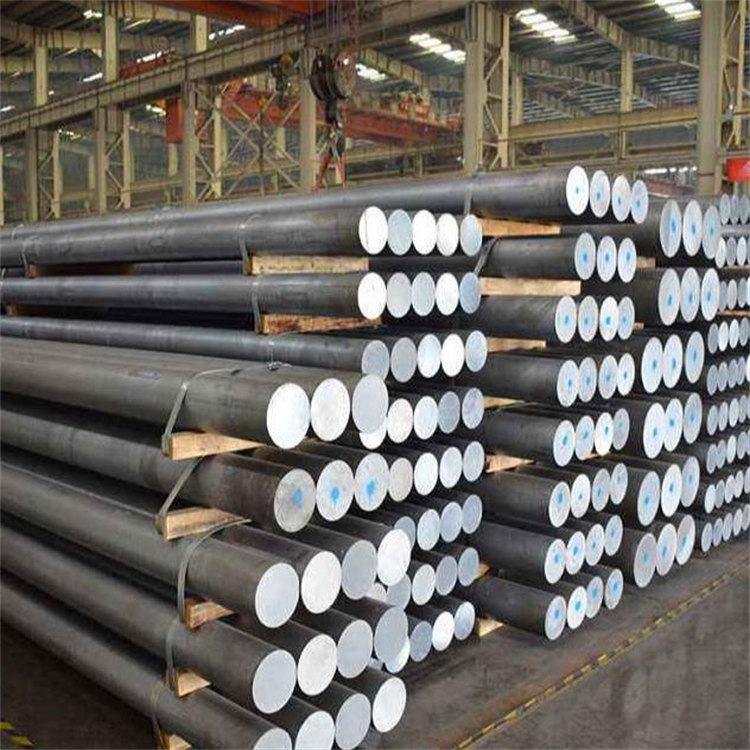
Alloy aluminum rods, also known as aluminum alloy rods, are produced by adding various alloying elements (mainly copper, silicon, magnesium, zinc, manganese, etc., with secondary elements like nickel, iron, titanium, chromium, lithium, etc.) during the aluminum melting process to enhance the mechanical properties and chemical specifications of the alloy. Alloy aluminum rods possess unique properties not found in pure aluminum rods, and are widely used in various environments such as ships, refrigerators, molds, aerospace equipment, and more.
1. F Free Machining Condition - Suitable for products that do not have special requirements for hardening and heat treatment during the forming process. The mechanical properties of products in this condition are not specified.
2.O Annealed Condition - Suitable for processed products that have been fully annealed to achieve strength.
3. Hardened Condition by Heat Treatment Suitable for products that require increased strength through heat treatment hardening. The product can undergo (or not undergo) additional heat treatment to reduce strength after hardening.
4. W Solution Heat Treatment Condition - Treatment Condition A non-stable state applicable only to alloys that undergo natural aging at room temperature after solution heat treatment; the code for this condition merely indicates that the product is in the natural aging stage.
5. T Heat Treatment Condition (different from F, O, H conditions) applies to products that have reached stability after heat treatment and (possibly) processing hardening. The T symbol must be followed by one or more Arabic numerals. The numbers following the T indicate the basic type of heat treatment (from 1 to 10), with subsequent digits representing variations in the details of the heat treatment. For example, 6061-T62; 5083-H343, etc.