
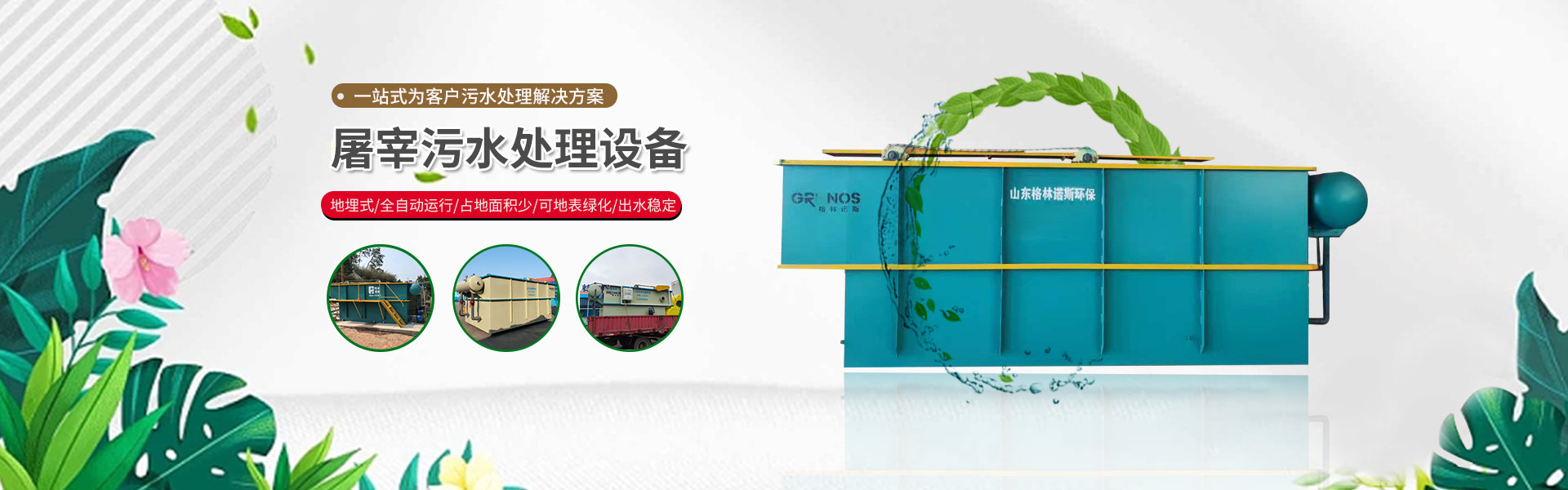
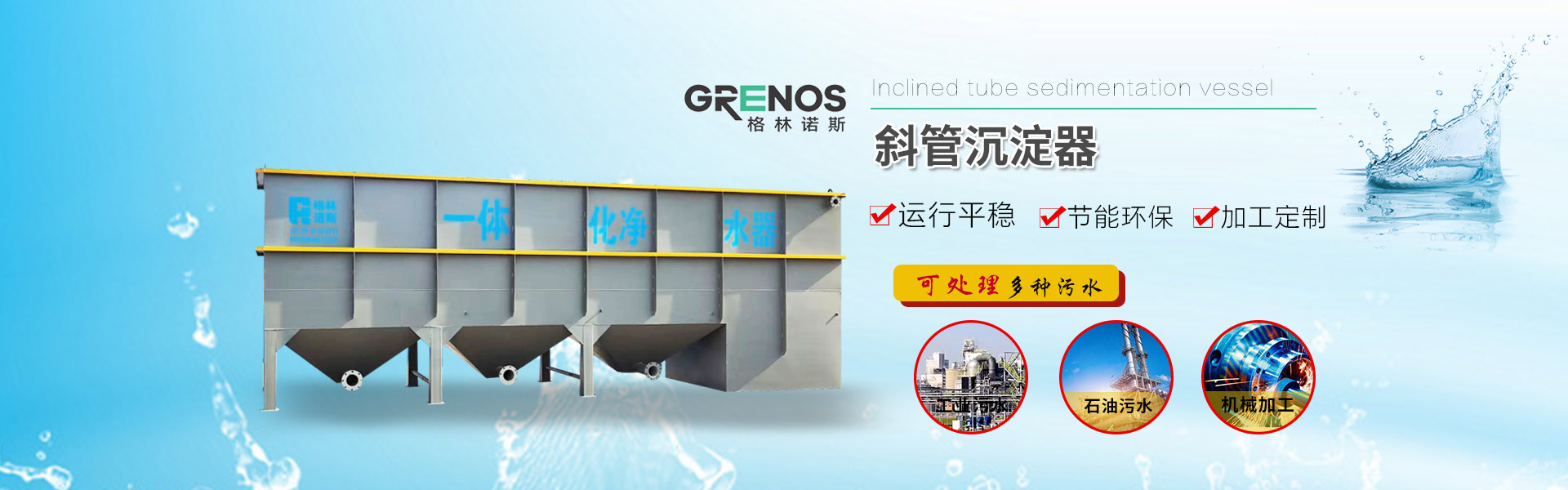

Investment-efficient, low energy consumption, automatic slag discharge with no noise, and convenient operation and management.
2. Primarily removes a significant portion of non-dissolvable COD from wastewater, as well as floating SS (with a specific gravity less than water) and sinking SS (with a specific gravity greater than water).
3. Compared to traditional domestic pressure-solubilized air flotation systems, it eliminates equipment such as solubilizer tanks, air compressors, and high-pressure water pumps, reducing energy consumption by 1/8 to 1/10 of conventional air flotation.
4. The system effectively removes oils, colloidal matter, and fibrous suspended solids from wastewater, reducing the effluent loads of BOD, COD, and SS, while also significantly improving the color of the water quality.
The system is primarily used for the purification and treatment of industrial wastewater in industries such as papermaking, chemicals, dyeing, food, beer, and slaughtering.
Untreated wastewater first enters the aeration zone, where it is thoroughly mixed with microbubbles. As the microbubbles rise, they carry suspended solids to the water surface. A scraper runs along the liquid surface, scraping the suspended matter onto an inclined metal plate and then pushing it into the sludge discharge trough. The sludge is then flowed into the sludge collector through the discharge trough, with the scraper's power consuming only 0.5 kW. After wastewater purification, before discharge, it passes through an overflow trough located beneath the inclined plates. This trough is used to control the water level in the flotation tank, ensuring that the liquid does not flow into the sludge discharge pipeline. An open overflow pipe extends from the aeration section along the bottom of the flotation tank. While generating microbubbles, the vortex-annular aeration equipment forms a vacuum zone at the bottom of the pool with the return pipes. This vacuum effect draws wastewater from the bottom of the pool back to the aeration zone, and then back to the flotation section. This process...
The air flotation process continues uninterrupted even with zero inflow. This unit has a processing capacity of 5-500 cubic meters per hour, with treatment costs around 0.3 yuan per ton of wastewater.
