

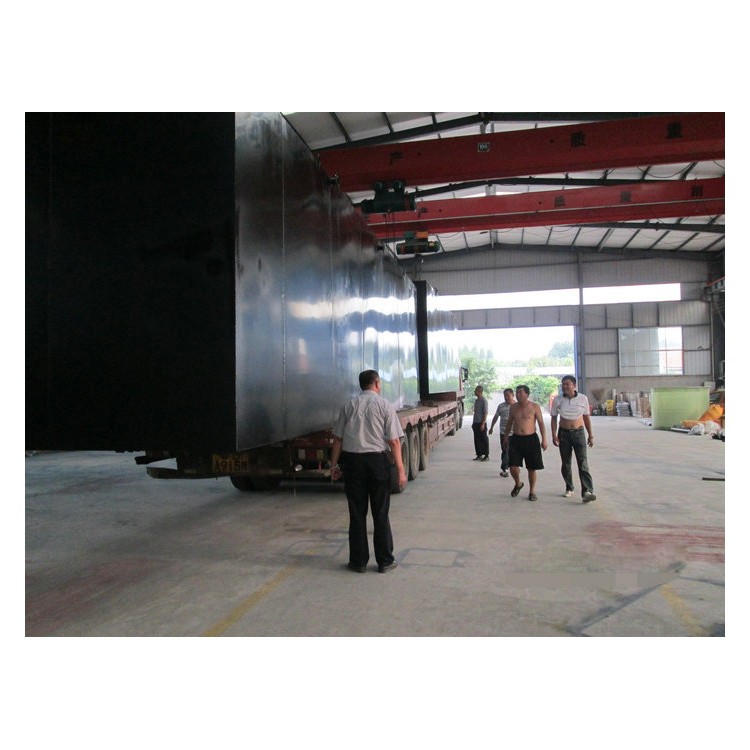
| Description
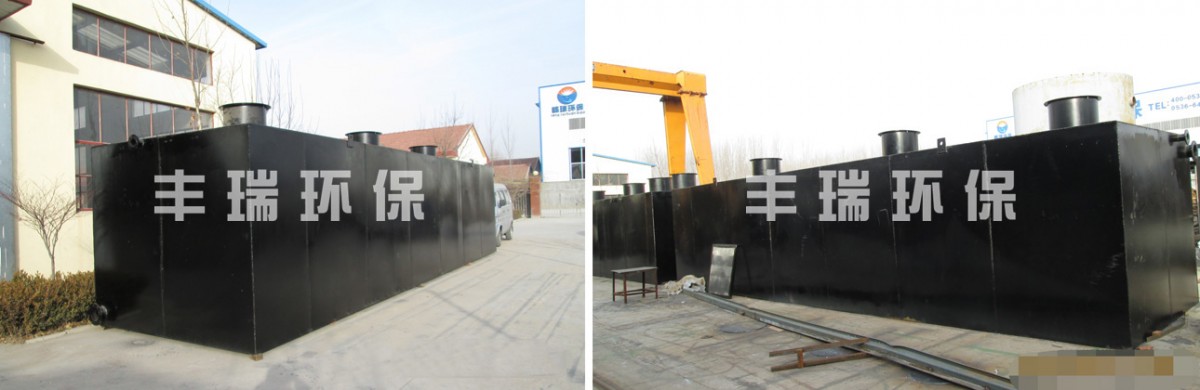
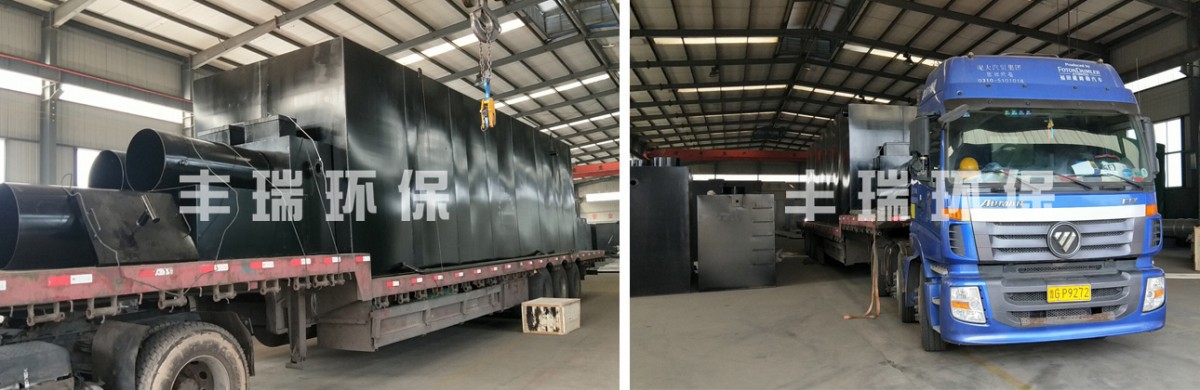
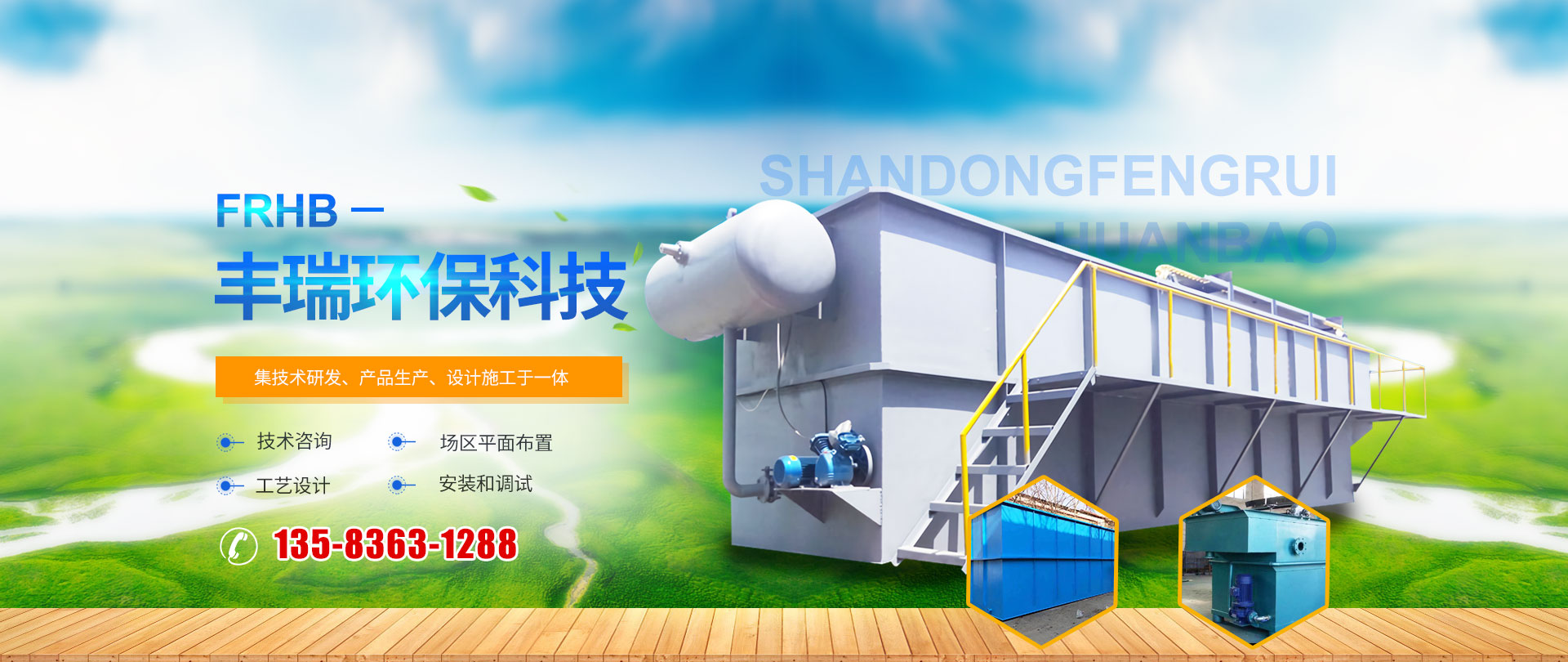
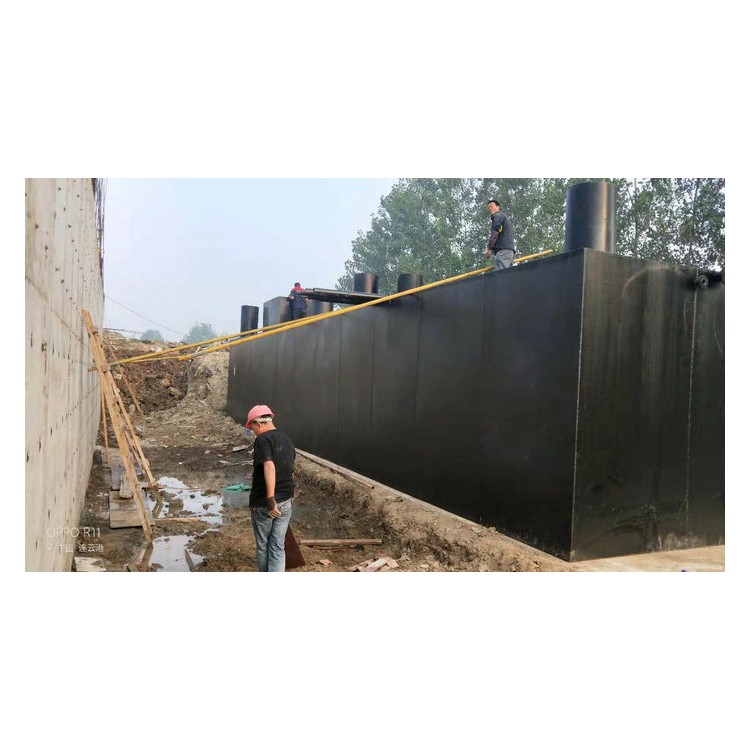
The integrated wastewater treatment equipment utilizes biological treatment technology. Based on the operation experience of domestic and international domestic wastewater treatment equipment, combined with the company's own scientific research achievements and engineering practice, a unified organic wastewater treatment unit has been designed. It integrates the removal of BOD5, COD, and NH3-N. It boasts stable and reliable technical performance, excellent treatment effects, cost-effectiveness, automated operation, convenient maintenance and operation, no requirement for land area, no need for building, and no need for heating and insulation.
Applied to
Suitable for hotels, restaurants; residential communities, villages, towns; stations, airports, seaport terminals, ships; factories, mines, tourist attractions, scenic spots; various industrial organic wastewater similar to domestic sewage.
Wastewater Source
The source and composition of the wastewater are highly complex. The wastewater contains a large amount of harmful substances.
Principles of wastewater treatment: Principle of whole-process control, principle of reduction, principle of on-site treatment, principle of classification guidance, principle of combination of standard achievement and risk control, and principle of ecological safety.
Process Description
Wastewater treatment equipment design typically consists of three stages, with different levels adopted according to national requirements: the first stage involves渣 removal and adjustment; the second stage is biochemical degradation; and the third stage is contact disinfection and filtration. The primary treatment of wastewater mainly removes oils, greases, and solid waste from the sewage through格栅, and adjusts water volume and quality through the regulating pond. The second stage biochemical degradation primarily employs the A/O biological degradation process, which, through contact reactions, effectively reduces organic pollutants in the wastewater to meet discharge standards. The third stage treatment of wastewater ensures that the effluent from the filtration system meets water quality requirements by controlling the contact disinfection time and the addition of reagents.