

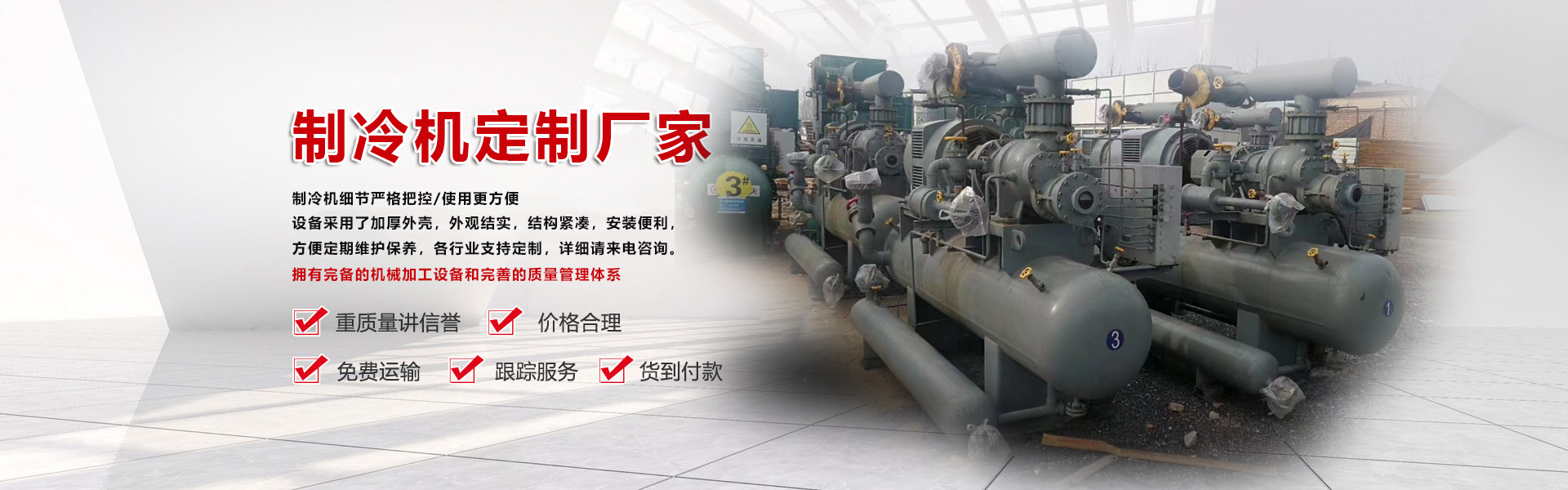

Regular maintenance is conducted in the efficient refrigeration system to ensure the smooth operation of all equipment.
The refrigeration unit operates under conditions of significant temperature and pressure fluctuations and high rotational speeds. During operation, there are mechanical friction, airflow impact, and sudden changes in temperature and pressure. Consequently, the quality of mechanical parts, components, and equipment, as well as the internal cleanliness of the entire refrigeration system, directly affect the working capacity and service life of the refrigeration unit.
To prevent mechanical wear, metal fatigue, and accidents or injuries caused by internal machine parts, and to avoid natural wear of machine components exceeding the allowable limit, ensuring the machine maintains good performance and restoring its working capability, as well as safely extending its service life, it is necessary to conduct planned preventive maintenance (i.e., regular maintenance) after the refrigeration unit has been running for a period of time.
The planned preventive maintenance is divided into two parts: inspection and repair. Through this combined inspection and repair work on a regular basis, the following three objectives are aimed to be achieved:
Maintain the optimal performance of the refrigeration unit to prevent premature wear of machine parts.
2. Prevent machinery malfunctions, eliminate potential hazards for accidents, and avoid unnecessary losses.
Extend the lifespan of machinery.
Proven results show that proper equipment maintenance, strict adherence to maintenance schedules, employing comprehensive repair methods, and maintaining precision standards for mechanical components can significantly reduce the volume and costs of repairs, as well as greatly decrease the frequency of fault-based inspections.
