
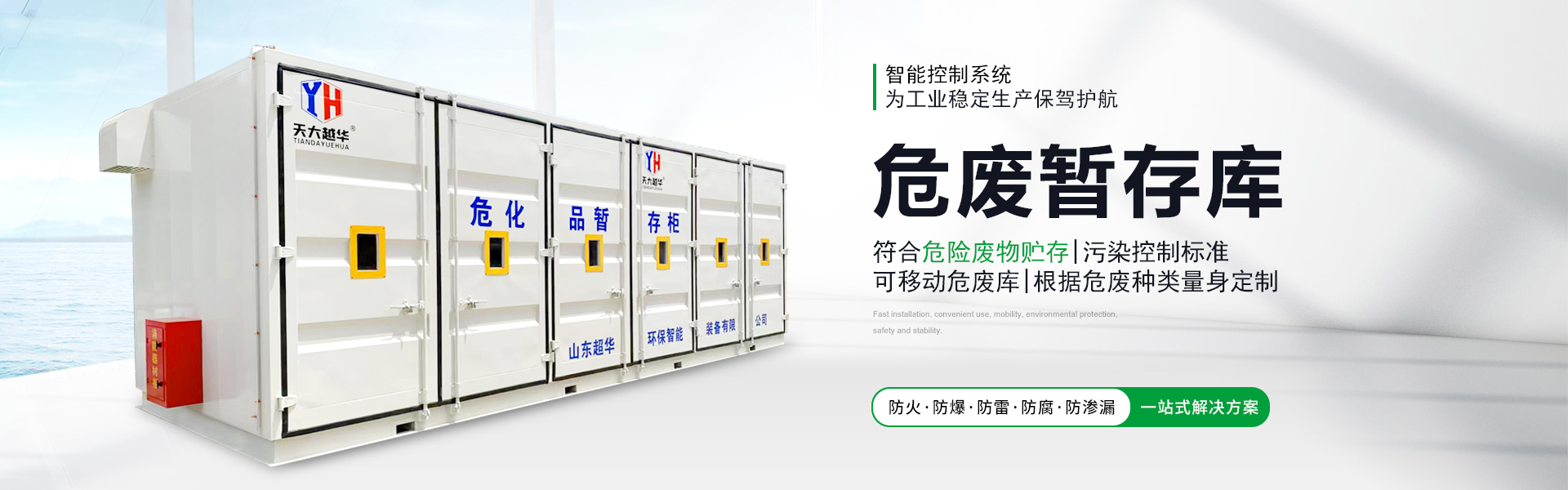
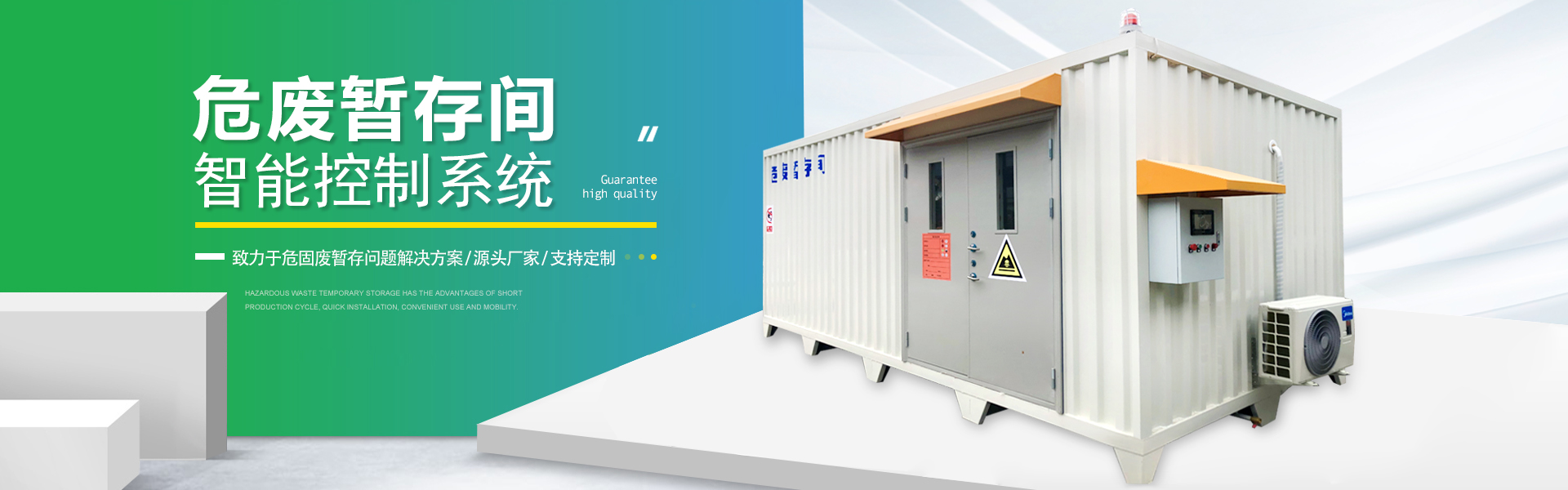


The waste storage capacity refers to the total amount of hazardous waste that a hazardous waste storage facility can accommodate, typically measured in tons. In the construction and renovation of hazardous waste storage facilities, the storage capacity is a critical parameter, as it essentially serves as an indicator of the storage and transportation capacity of the facility.
The storage capacity of the hazardous waste warehouse needs to be considered comprehensively in light of the following factors:
1. Types of Hazardous Waste: Different types of hazardous waste require varying storage conditions and requirements, thus the storage capacity must be determined based on the type of hazardous waste.
2. Hazardous Waste Production: Based on the production volume, the storage capacity can be specifically calculated to ensure adequate storage space.
3. Storage Period for Hazardous Waste: The storage period of hazardous waste varies, which determines the required storage capacity.
4. Waste Management Capacity: The handling capacity of hazardous waste is also a factor in considering the storage capacity; for those with lower handling capacity, additional storage space is required.
In summary, after considering the above factors and determining the storage capacity of the hazardous waste facility, it is essential to enhance management and supervision, conduct regular checks on inventory, and effectively manage the storage, transportation, and disposal of hazardous waste to ensure environmentally sound storage.
