
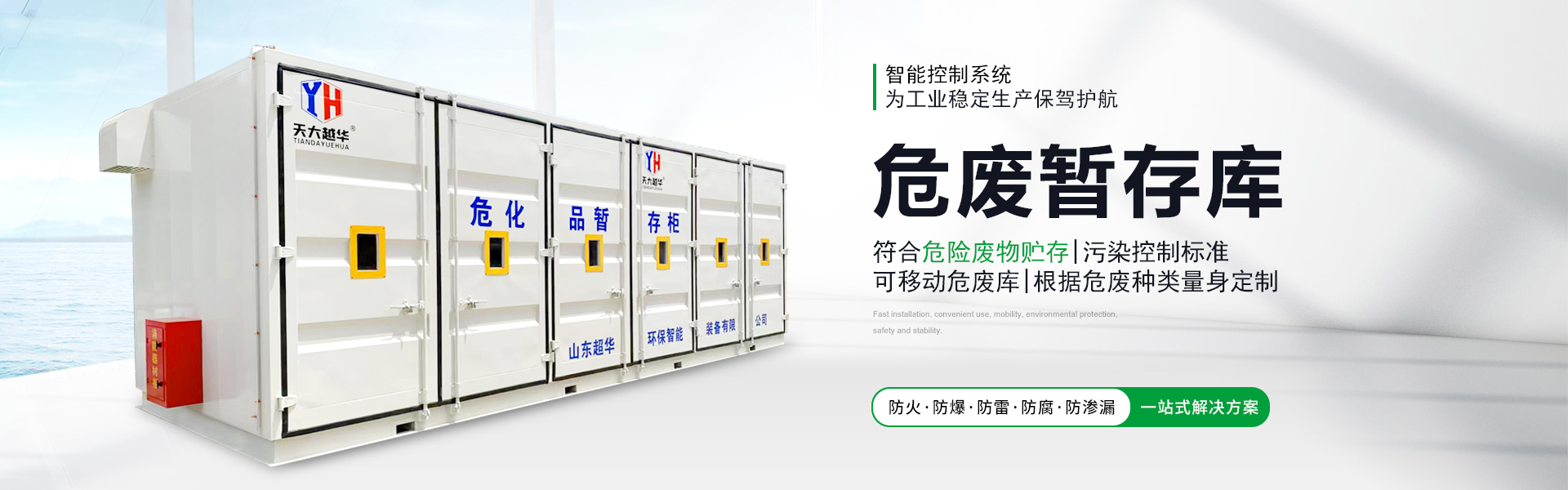
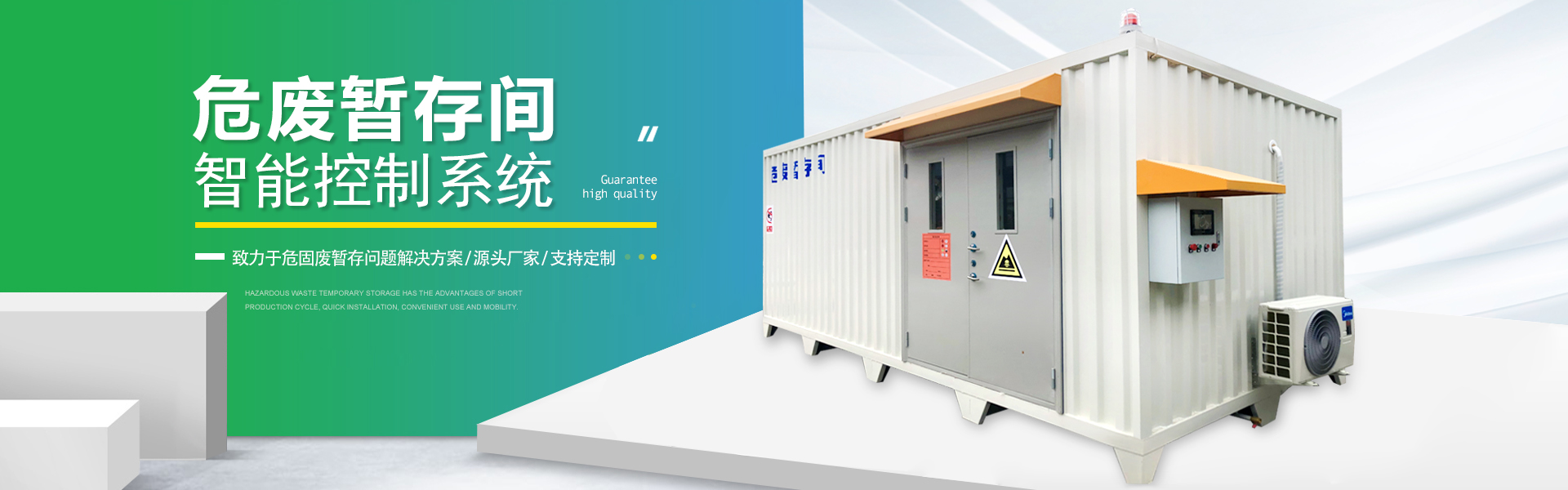


A hazardous and solid waste temporary storage facility refers to a facility used for storing hazardous and solid waste, which typically needs to meet certain environmental protection requirements to ensure that the stored hazardous waste does not adversely affect the environment or human health. Below, I will introduce some basic characteristics and construction requirements of hazardous and solid waste temporary storage facilities.
Firstly, the infrastructure of the temporary storage facility for hazardous waste is crucial, requiring high load-bearing strength, wind and rain resistance, and leak prevention and control features. When constructing a hazardous waste storage facility, a series of factors such as the topography, water sources, climate conditions, and types of disasters must be considered to determine the specific location and construction plan.
Secondly, the temporary storage facility for hazardous waste requires strict control over the types and quantities of hazardous waste stored. The personnel responsible for management possess specialized knowledge and are proficient in the entire process of storage, transportation, and disposal of hazardous waste; they must also categorize and manage the hazardous waste based on its hazard level and physical characteristics, controlling the types and quantities to prevent environmental pollution incidents.
In addition, to ensure the safety of solid waste and hazardous waste storage, a series of measures must be taken, such as establishing special management systems, conducting regular inspections and monitoring of hazardous waste, and facility checks. At the same time, an emergency response mechanism needs to be established, and emergency plans and drills should be developed to address unforeseen events.
Hazardous waste storage must comply with national and local regulations, and transportation and disposal must strictly adhere to environmental protection laws and regulations to ensure human and environmental safety.
In summary, the construction and management of solid waste and hazardous waste storage facilities involve knowledge from various fields such as environmental protection, transportation, construction, and sanitation, making it a complex and rigorous engineering project. Only by strictly adhering to national and local regulations can the reliability of these storage facilities be ensured.
