



Breakbulk consolidation can be categorized into direct consolidation or transshipment. Direct consolidation refers to the case where the cargo in the consolidation container is loaded and unloaded at the same port, without being unpacked before reaching the destination port, meaning the cargo is for the same discharge port. Such consolidation services have a shorter transit time, are convenient and quick, and are generally offered exclusively by established consolidation companies. Transshipment, on the other hand, involves cargo in the container bound for different ports, requiring unpacking and unloading at an intermediate port or transfer to another vessel.
Transportation stages for consolidated cargo shipping:
1. Inland transportation;
2. Container loading and unloading at port container freight stations
3. Container handling at loading and unloading ports;
4. Container装卸 vehicles
5. Ocean shipping.
LCL (Less than Container Load) shipping refers to the carrier (or agent) accepting small consignments from shippers that do not meet the full container load requirements, and then categorizing and sorting them based on the nature of the goods and destination. The goods heading to the same destination are consolidated into a certain quantity and packed into containers.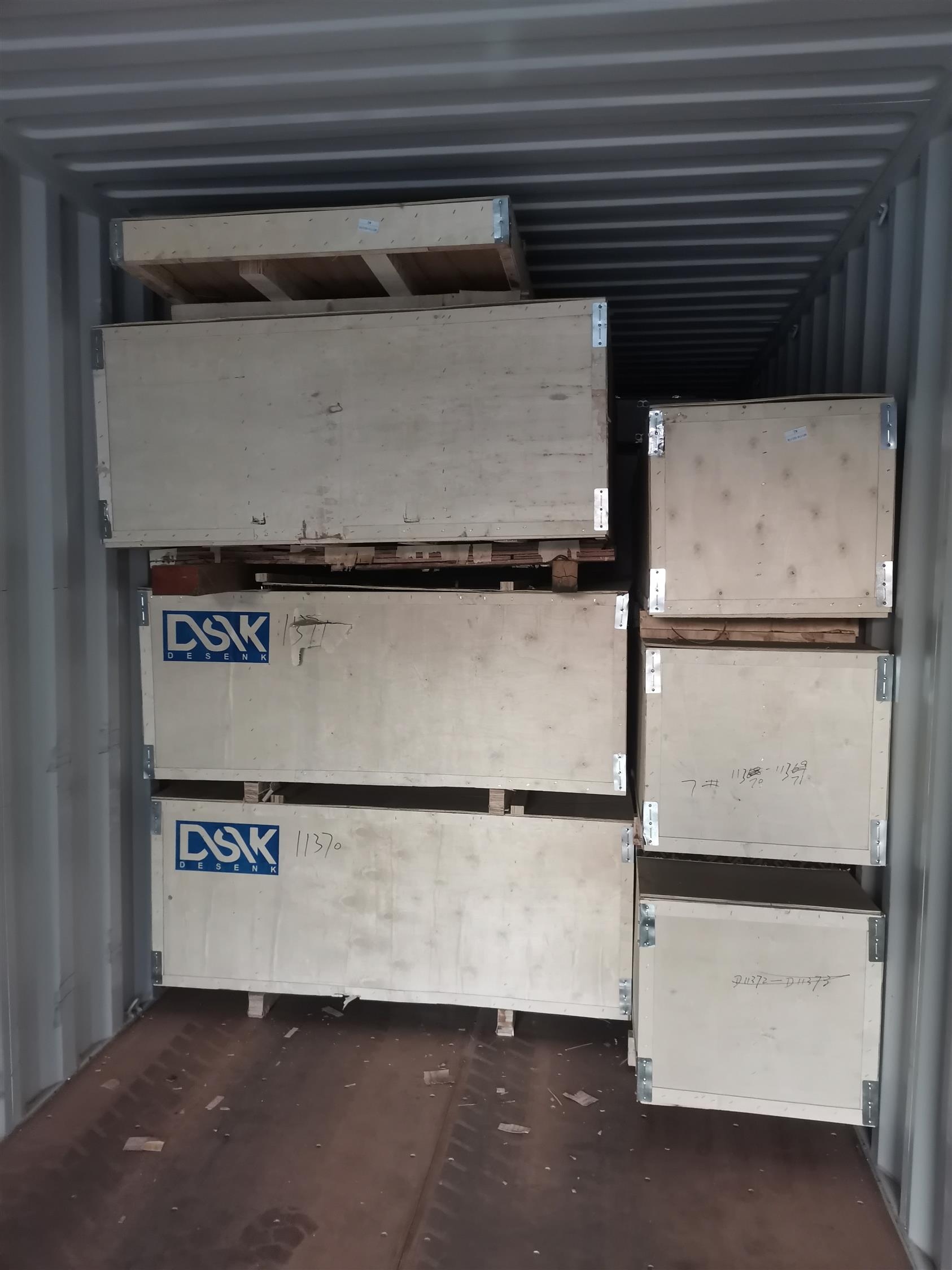
Bulk LCL Shipping Container Features:
In practice, over 80% of consolidated cargo is transported via CFS to CFS, followed by Door to Door, Door to CFS, and CFS to Door. The primary reason is dictated by the nature of consolidated cargo:
1. Consolidation of shipments from various shippers and receivers; the consolidated full container is composed of goods from multiple different shippers and receivers.
Trade terms vary, and policies and regulations regarding restrictions on various goods differ between exporting and importing countries. While some goods and commodities may not have export restrictions, the importing country might. In such cases, not only will it affect the customs clearance of the shipment in question, but it can also directly impact other goods in the same container.
2. Differences in customs declaration and inspection processes for import and export goods: If one shipment within the same container encounters issues during customs clearance or inspection, including missed inspections or verification items, and delays in time, it can affect the entire container's transportation.
3. Full Compliance of Documents and Consistency of Goods: All documents must be complete, and there should be no discrepancies in the sender and receiver, destination port, product name, specifications, packaging, quantity, weight, dimensions, etc. Any minor discrepancies, such as slight overweight in each shipment, could lead to significant overweight issues for the entire container, which could cause difficulties in container transport or even lead to transportation accidents. Similarly, if each shipment has a slight excess in dimensions, the total volume might exceed the container's capacity, causing the goods to not fit or be discharged, thereby affecting the entire shipment's dispatch.
4. Temporary Changes: From the production site to the departure of the shipment, traders and shippers will continuously inspect and verify the actual status of the goods. Any discrepancies, whether subjective or objective, will result in corrections or adjustments to the goods. Therefore, it is the responsibility of the consolidator to ensure that all details of the goods are verified prior to loading, and to accurately predict potential issues upon arrival at the destination port. Any issues should be addressed promptly with relevant parties to ensure smooth transportation. Since consolidators handle a larger number of goods tickets, such changes are more frequent than for full container loads.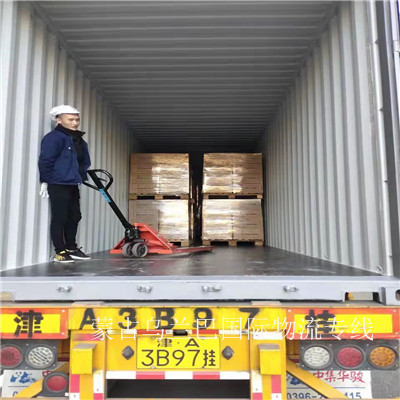
Important considerations for LCL (Less than Container Load) shipping:
1. Pay attention to the relevant shipping terms (clearly specify the shipping method and payment method). For LCL (Less than Container Load) shipments, special attention should be given to the chosen shipping method and payment method, as both are crucial for the transport. Under the Letter of Credit (L/C), LCL shipments are not accepted with freight forwarder's bills of lading, as shipping companies do not directly accept LCL bookings. The shipping company's ocean bill of lading is issued to the freight forwarder, who then issues a freight forwarder's bill of lading (HOUSE B/L) to the shipper. If the L/C stipulates that freight forwarder's bills of lading are not acceptable, it can lead to discrepancies in the L/C during actual transportation, potentially causing unnecessary losses to the shipper.
2. No specific shipping line for consolidated cargo: Shipping companies only accept bookings for full container loads and do not directly accept bookings for consolidated cargo. Bookings for consolidated cargo must be made through freight forwarders, who then consolidate the cargo before booking with the shipping company. Due to limited sources, general freight forwarders can only book with a few shipping companies, rarely meeting the shipping lines' requirements. Therefore, when dealing with consolidated cargo, it's best to avoid specifying a shipping line to prevent being unable to meet the shipping company's requirements for shipment.
3. Ensure accurate measurement of consolidated cargo's charging tonnage: Customers must pre-measure the weight of their consolidated cargo prior to delivery, as it will be re-measured upon arrival at the freight forwarder's warehouse and used as the standard. If the factory changes the packaging, they should be required to notify promptly, as waiting until the goods arrive at the freight forwarder's warehouse and receiving the information back via the freight forwarder can be time-consuming. This often leads to a tight schedule for amending customs documents, which may result in delays in customs clearance or additional urgent customs clearance and port charges. Therefore, it is crucial to accurately measure the weight of your cargo before delivery.
4. Consult before signing: It's always beneficial to consult before signing a contract. First, it allows you to gather the information you need. Second, for less accessible routes and ports, especially when clients require consolidation cargo delivery to inland destinations, consulting prior to the deal ensures that there are shipping companies and freight forwarders capable of handling these remote ports and inland deliveries, along with the associated costs. This step also avoids many unnecessary troubles.
5. Pay attention to document completeness: As China has joined the WTO, special attention is given to the protection of intellectual property rights. For goods involving intellectual property rights, the "Intellectual Property Declaration Form" should be filled out in advance. Whether or not there are trademarks registered by the company or factory, or customer-branded items, relevant documentation for registered trademarks or customer authorization letters should be prepared beforehand. If there are many types of goods, list all the names and item numbers in detail on the customs declaration form; do not use a general commodity code to replace them. If customs has any doubts and the inspection reveals discrepancies with the actual goods, it may cause issues with clearance. Additionally, ensure that all necessary documents for customs declaration and clearance are provided without any omissions.
6. Be mindful of cost budgeting: include costs such as warehouse fees, consolidation fees, customs clearance fees, sea freight, destination port customs handling fees, delivery charges, as well as destination port duties and any potential inspection fees in your budget.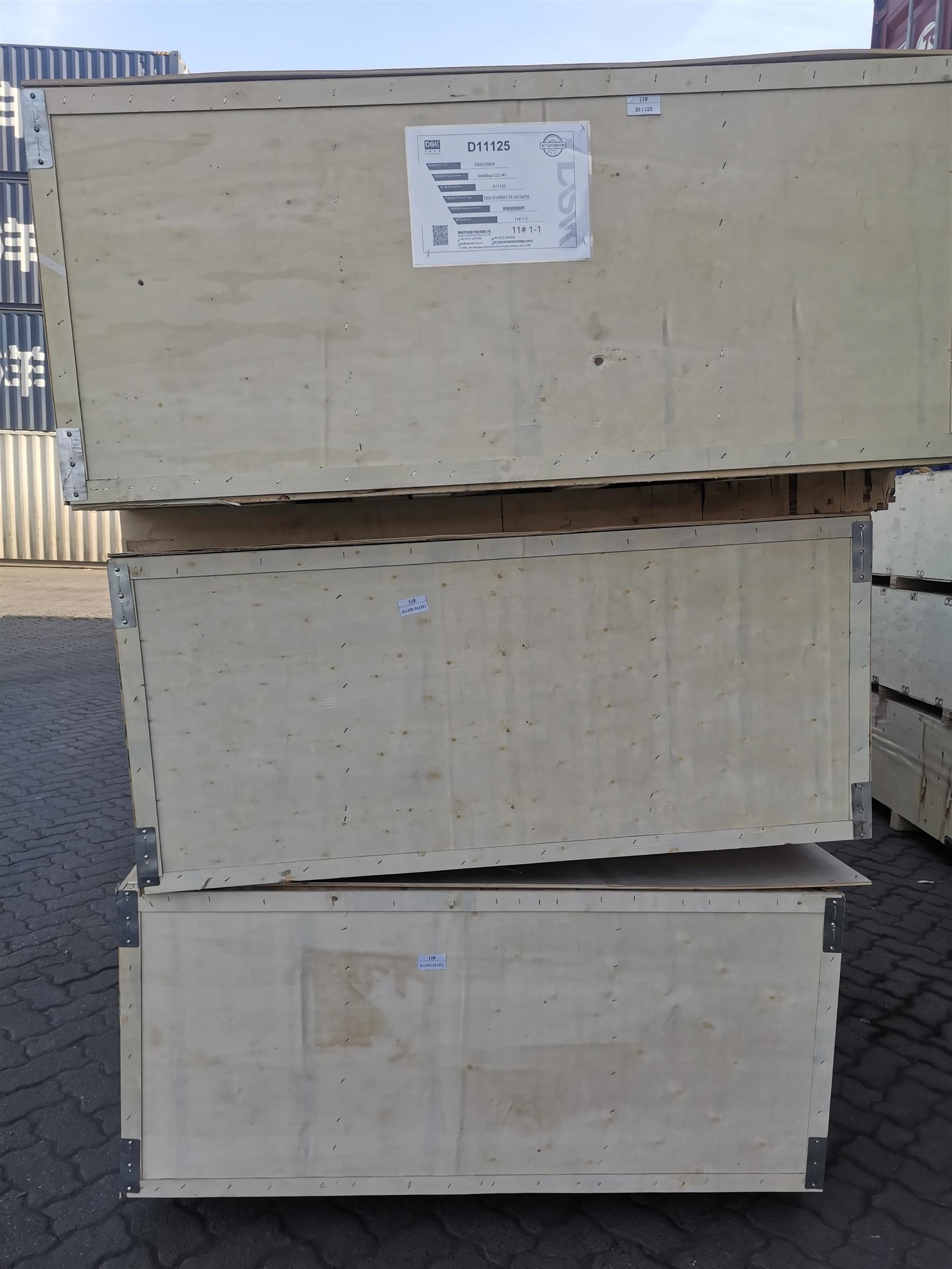
LCL (Less than Container Load) shipping, as the name suggests, involves goods from different shippers being consolidated into one container. This method is used when the shipper's cargo does not fill an entire container. The classification, sorting, consolidation, loading (unloading), and delivery of LCL shipments are all handled at the carrier's container freight station at the port or at an inland container transfer station.
Our company upholds the principle of quality first and customer first, leveraging our domestic resources, human capital, and logistics advantages to provide high-quality products and passionate service, earning customer satisfaction. We are eager to join hands with new and old customers at home and abroad to achieve mutual benefits and create a brighter future together!
Guang'an to St. Petersburg Consolidated LCL (Less than Container Load) Shipping, Full Container Load (FCL) Ocean Freight Consolidation Service
