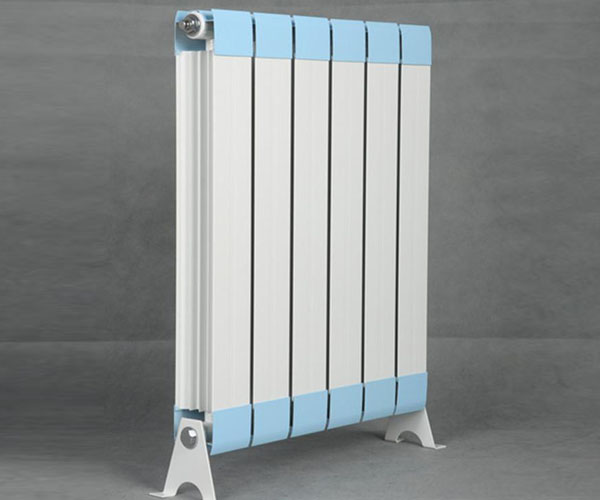

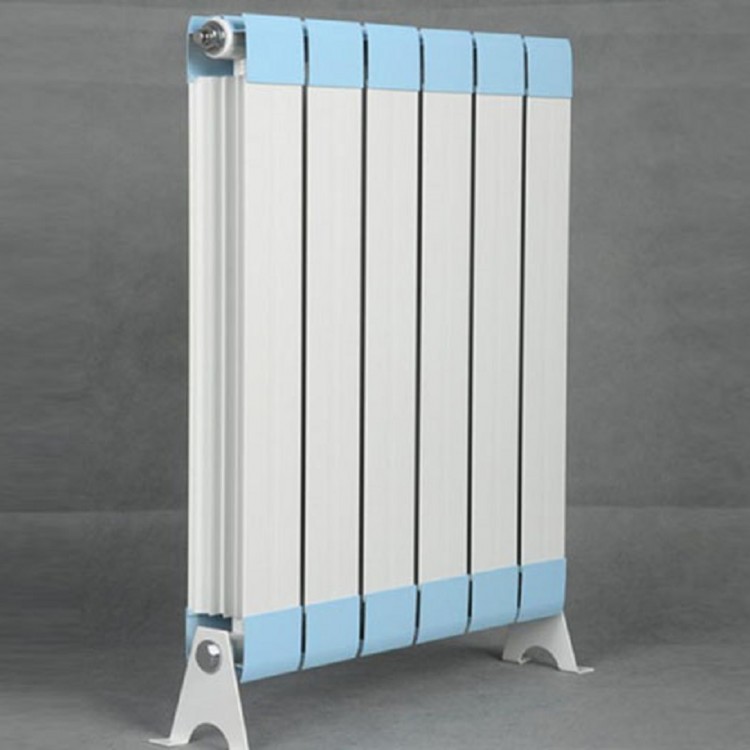
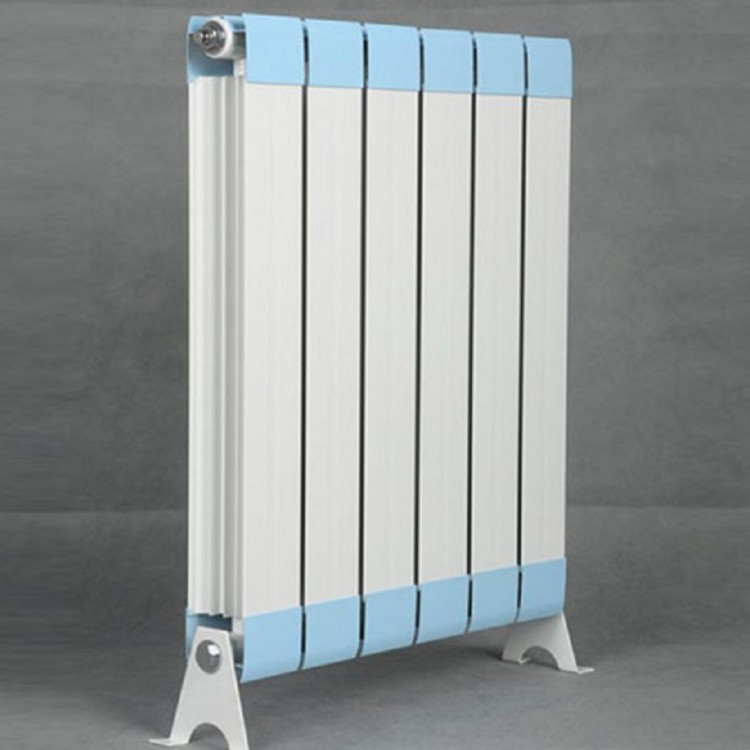
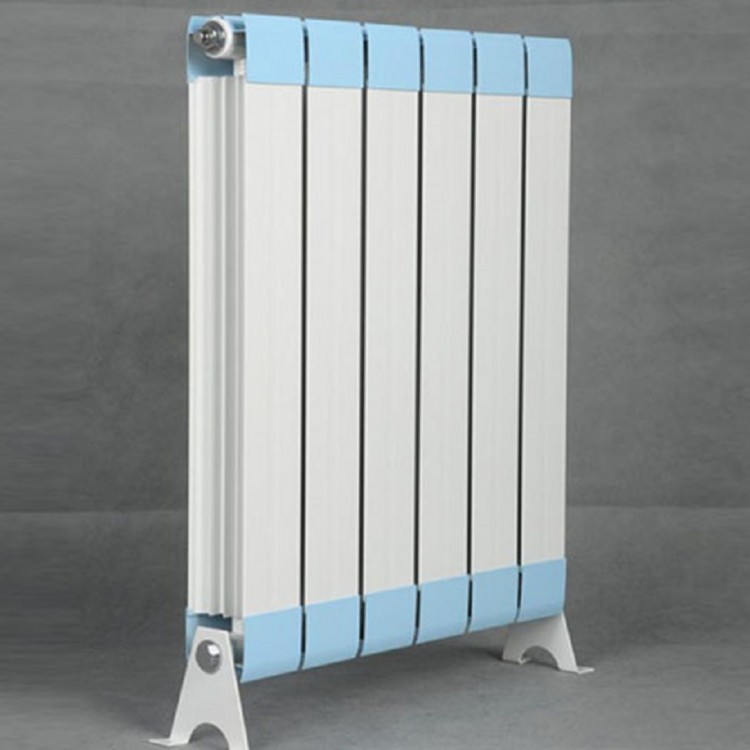
A steel-aluminum composite radiator is a heat exchanger that employs the advanced "fully automatic mechanical expansion" process, tightly bonding high-quality, low-carbon precision steel pipes with aluminum profiles. It serves as a heat dissipation element for various closed-loop hot water heating systems. It features a novel appearance, rational structure, excellent heat dissipation capability; good thermal stability, high heat dissipation efficiency; clean interior with a nano internal anti-corrosion coating for extended service life; high pressure-bearing capacity; simple overall design, straightforward structure, and extremely easy installation and maintenance.
The connection method is typically side entry and side exit, with two inlets and outlets on each side. It can accommodate same-side entry from above and exit from below, opposite-side entry from above and exit from below, and opposite-side entry and exit from below. To meet installation requirements, a bottom entry and bottom exit connection method can also be used. The design includes a dedicated bracket to hang the radiator on the wall.
Cooler Storage and Installation Instructions:
1. Handle radiators with care during transportation to prevent damage; pay special attention to protect the painted surface from scratches. Store radiators in a well-ventilated and dry storage room, sorted by model and size, with a height not exceeding 1.5 meters. The bottom should be elevated by 20 cm for storage.
2. The installation methods of steel-aluminum composite radiators can be designed as bottom-in-bottom-out or side-in-side-out types according to the requirements.
3. Before installing the radiator, remove the import protective material, position the hangers according to the location of the mounting holes, then hang the radiator, adjust and secure it, ensuring the radiator is 25cm from the ground.
4. Radiators are manufactured in strict accordance with the Ministry of Construction standard J/T6-1999, generally using either cone pipe threads or cylindrical pipe threads.
5. Please note that when conducting system tests and operations, do not exceed the rated working pressure for hot water. Steam pressure should not exceed 0.3MPa (gauge pressure), and an automatic pressure-reducing valve should be set.