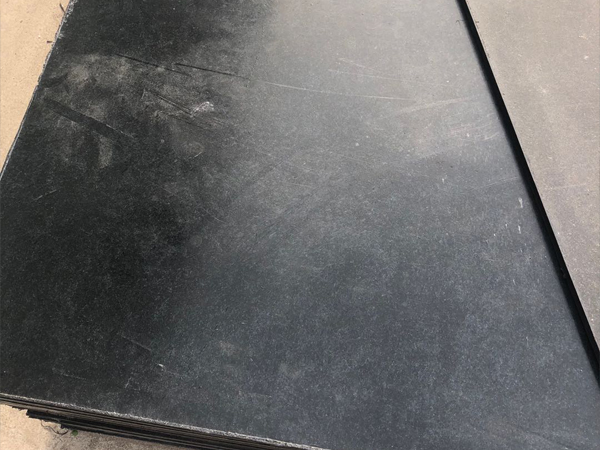
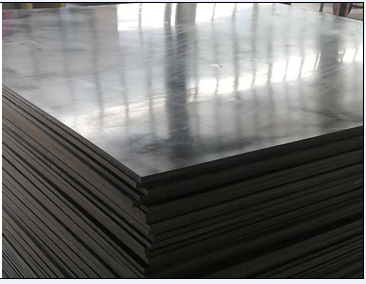
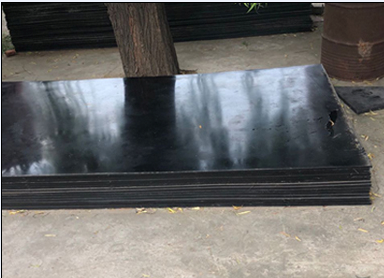
Polyethylene sheets, rods
All produced PE sheets are manufactured using imported equipment and advanced stress-free technology, and are made from brand new PE materials without any recycled content. After years of continuous innovation and improvement, we have completely eliminated issues such as sheet deformation, bubbles, and easy breakage.
High-density polyethylene (HDPE) sheet has a melting point of approximately 130°C and a relative density of 0.941~0.960. It boasts excellent heat and cold resistance, good chemical stability, and high rigidity and toughness, with good mechanical strength. Its dielectric properties and resistance to environmental stress cracking are also commendable. The melting temperature ranges from 220 to 260°C. For materials with larger molecules, it is recommended to melt within a temperature range of 200 to 250°C.

The advantages of PE sheets
Products are odorless, environmentally friendly, with excellent corrosion and hygiene resistance. Suitable for equipment and supplies in the food and sanitation sectors, materials for lining and padding with corrosion, wear, rust resistance, and impact resistance, as well as instrument components, seals, cutting boards, and sliding profiles. Currently widely used in industries such as chemicals, machinery, electricity, clothing, packaging, and food; for gas transmission, water supply, sewage discharge, agricultural irrigation, and fine particle solid conveyance in mines; as well as in oil fields, chemical industries, and postal and telecommunications sectors, particularly in gas transmission applications.
High molecular weight polyethylene (UHMWPE) plates feature composite reinforced properties such as high wear resistance, corrosion resistance, impact resistance, and self-lubricating characteristics. They can be used to manufacture oil tankers, ship cargo hold linings, large sliders, mining trucks, dump trucks, train carriages, and truck bodies for lining with materials like coal, cement, lime, mineral powder, salt, and grain. These plates are ideal for hoppers, silos, and trough linings due to their excellent wear resistance, self-lubrication, and non-stick properties. This prevents the adhering of the powdery materials to storage and transportation equipment, especially in cold conditions, thereby enhancing transportation efficiency.

The UPE panel boasts excellent properties such as light weight, shock resistance, wear resistance, corrosion resistance, UV resistance, aging resistance, low friction coefficient, and energy absorption. It effectively prevents the impact on the hull and pier caused by UV radiation and hull impact. The core material is UPE board, also known as high molecular weight polyethylene board.
Port Dock HMWPE Board Fender Cladding Product Features:
High molecular weight polyethylene PE board fender panels offer abrasion resistance, corrosion resistance, impact resistance, water resistance, and non-stick properties required by the marine industry. These domestically and internationally produced, wear-resistant, impact-resistant, self-lubricating high molecular composite materials effectively protect the hull, primarily by slowing down the docking speed and cushioning the impact force during the vessel's approach to the shore. Due to the use of high molecular weight polyethylene material for custom manufacturing of the fender panels, they provide a certain degree of cushioning and are currently the popular material for fender panels worldwide.
Polyethylene (PE) sheets offer excellent chemical stability, resisting most acids, alkalis, organic solvents, and hot water erosion. They have good electrical insulation properties and are easy to weld.
Characteristics: Low density; good toughness; excellent elongation; good electrical and dielectric insulation; low water absorption rate; low moisture vapor permeability; good chemical stability; tensile strength; non-toxic.