



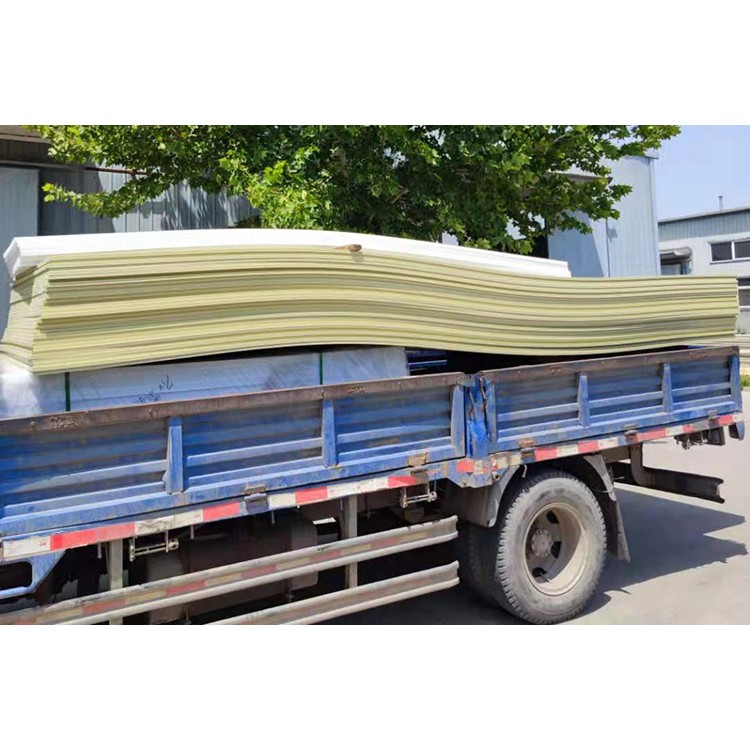
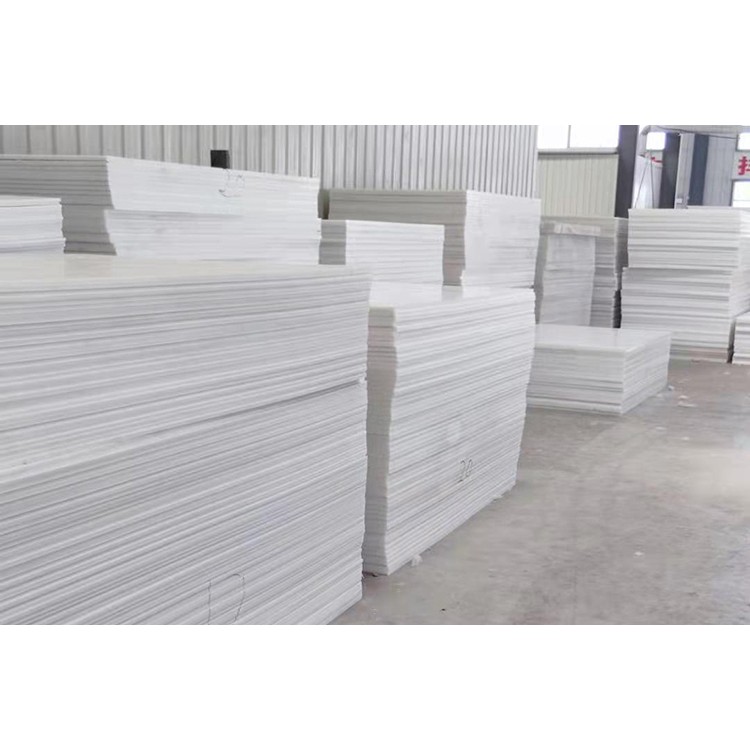

PP board, also known as polypropylene board, PP plastic board, PP sheet, white plastic board,丙烯 board, plastic PP sheet.
PPH Sheets, Domestic PPH Sheets, Imported PPH Sheets, White PPH Sheets, Beige PPH Sheets, Fabric-Coated PPH Sheets, Plastic Partition Sheets, Pure PP Sheets, PP Pellet Sheets, Flame-Retardant PPH Sheets, PP Flame-Retardant Sheets
Thickness: 0.5mm - 100mm
Specs: 1220*2440mm, 1300*2000mm, 1500*3000mm, 1600*2000mm; other sizes available upon request.
Width: 2.5m
Density: 0.93 g/cm³, 0.91 g/cm³, 0.92 g/cm³
Color: White, Blue, Porcelain White, Light Grey, Beige Grey, Computer Grey, German Grey, Beige, Black, Colorful, etc. Available for customization.
PP sheets have low density and are lightweight, do not produce toxic fumes during welding, are easy to process, and offer excellent chemical resistance, heat resistance, and impact resistance. They are non-toxic and odorless, meeting environmental requirements. PP sheets are flammable products; by adding a certain amount of environmentally friendly flame-retardant masterbatch, they can be customized into flame-retardant PP sheets with a V1 flame-retardant rating, self-extinguishing upon removal of the flame, and do not emit black smoke when burned. Modified with anti-aging properties, polypropylene PP extruded sheets are suitable for long-term outdoor use.
Application Range: Acid and alkali-resistant industrial use, wastewater and exhaust emissions equipment, scrubbers, purification towers, clean rooms, three-phase separators, food machinery, meat cutting boards, plastic water tanks, fish ponds, boats, etc. The surface of PP boards can be coated with non-woven fabric for bonding with glass fiber reinforced plastics, which has received positive feedback from the glass fiber industry. PP boards can also be used as plastic dividers, widely applied in the bottled water industry.
PP board (polypropylene) boasts high rigidity, hardness, and strength, though it has average notch impact toughness. PP material is easy to weld. It becomes brittle at low temperatures, and it exhibits excellent chemical stability and electrical properties. Operating temperature ranges from 5°C to 100°C.
Features: Low density; heat-resistant, non-deforming; high stiffness; high surface strength; good chemical stability; non-toxic and harmless.
Drawbacks: Average toughness, general resistance to oxidation, general wear resistance, becomes brittle at low temperatures, not suitable for high-heat welding, and susceptible to weather conditions.
Application Fields: Pump valve components, drinking water and sewage pipelines, seals, spray carriers, corrosion-resistant tanks and drums, acid and alkali-resistant industrial equipment, waste water and exhaust gas discharge equipment, washing towers, cleanrooms, equipment and machines for semiconductor factories and related industries, food machinery and chopping blades, electroplating processes, toy components, dental guides, widely used in structural materials for chemical, mechanical, electrical, and electronic industries.
PP Modified Plate: Density 1.2g/cm³, formed by extrusion with a certain proportion of filler masterbatch. Offers low cost, good dimensional stability, and improved rigidity and heat resistance compared to pure PP board. Widely used in the manufacturing of three-phase dividers, plastic water tanks, and more.
FRPP sheets, also known as glass fiber reinforced PP plates: Density 1.0g/cm³, formed by extrusion with a certain proportion of glass fiber masterbatch, featuring excellent strength, rigidity, heat resistance, low-temperature impact resistance, corrosion resistance, and arc resistance, with low shrinkage. Widely used in steam grates after drilling, quartz stone molds, and heat-resistant non-deforming materials.
Flame-retardant PP Sheets, while PP sheets are inherently flammable, can be customized into flame-retardant PP sheets by adding a certain amount of environmentally friendly flame-retardant masterbatch. These sheets have a V1 flame-retardant rating, self-extinguish upon removal of the flame, and do not produce black smoke when burned. They are widely used in laboratory ventilation ducts.
