








详情描述
The working principle of the expanded珍珠管 primarily relies on its material characteristics and structural design.
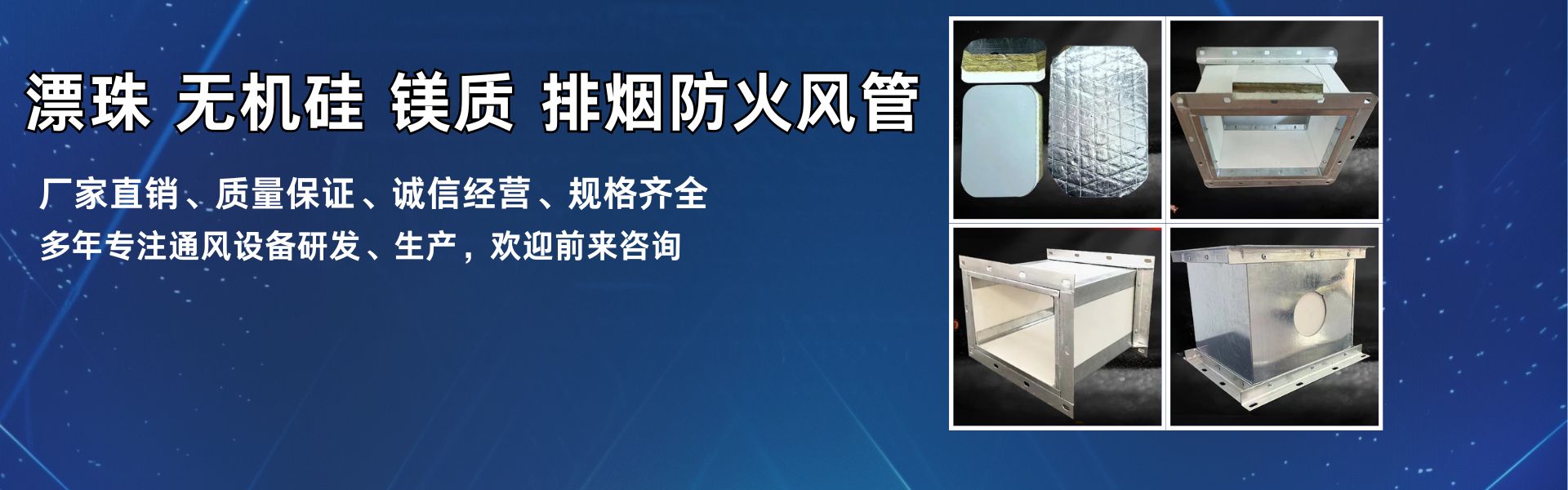
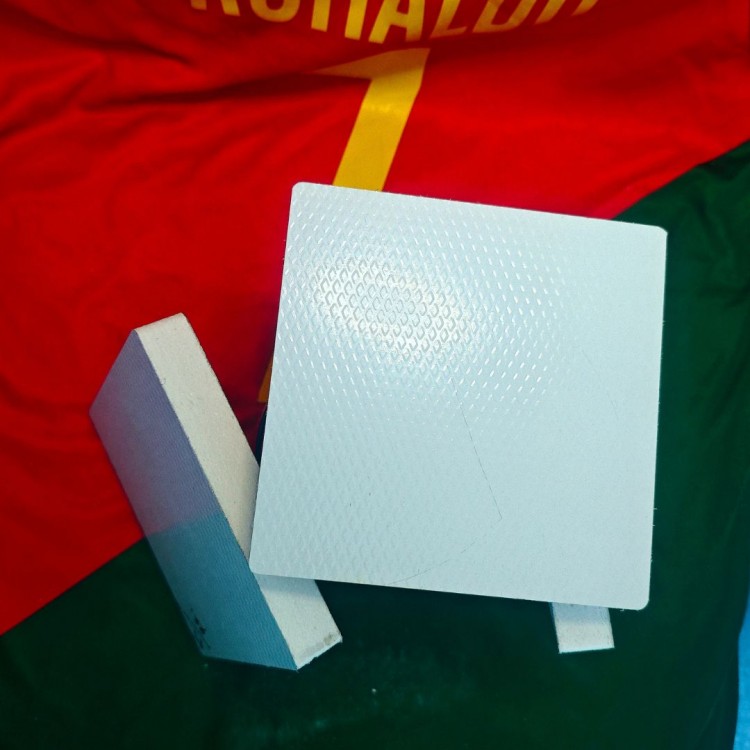
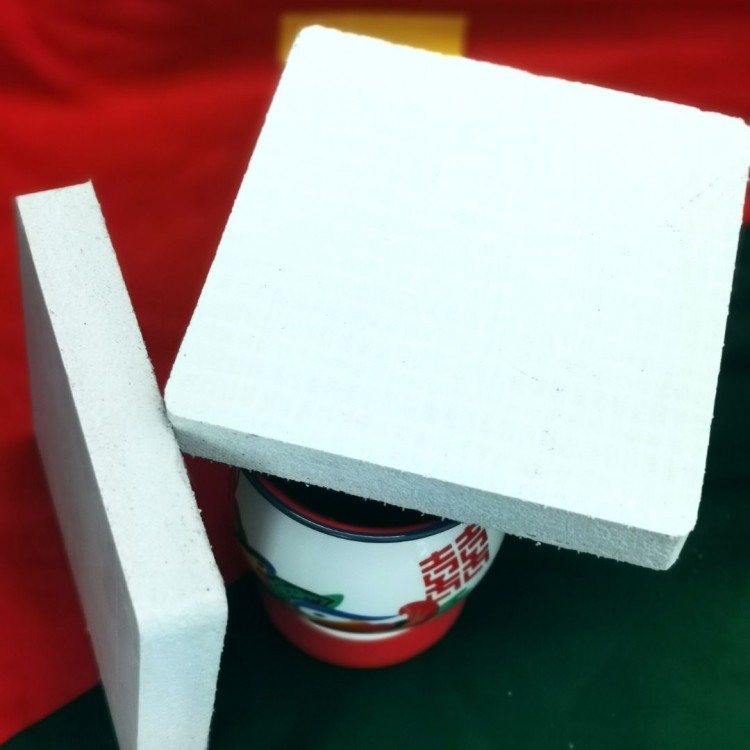
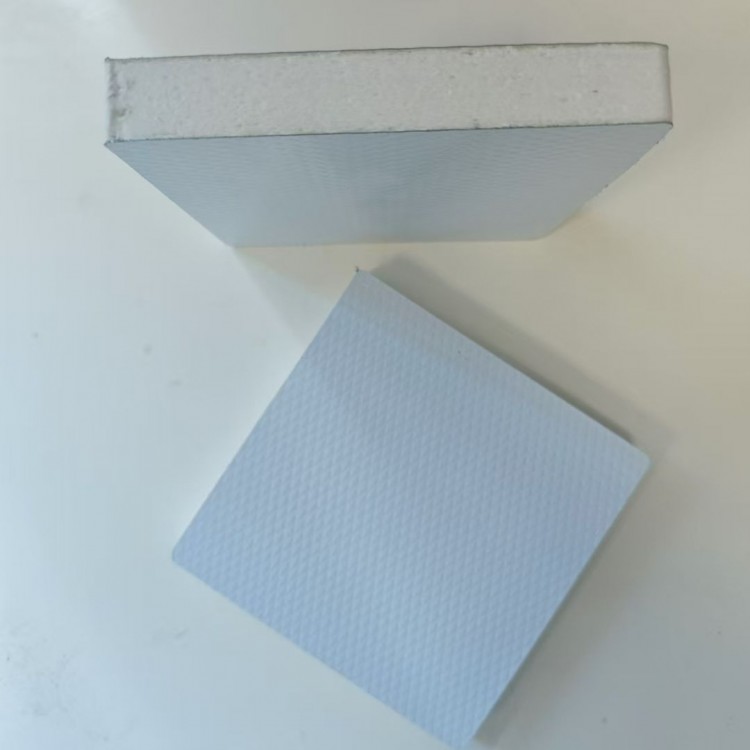
The main materials for floating bead ducts include floating bead silicate cement composite materials, prefabricated fire-resistant ducts, and these materials offer excellent fire resistance and anti-corrosion and moisture-proof properties, capable of meeting the requirements of ducts in complex environments such as high temperatures and humidity. Floating beads are formed when coal powder burns in a power plant boiler, where clay-like substances melt into microdroplets. These droplets spin rapidly in the turbulent hot air within the furnace, creating spherical silicon-alumina beads. Under the action of gases produced during combustion and cracking reactions, these beads rapidly expand and, under the influence of surface tension, form high-vacuum glassy microspheres with high耐火度.
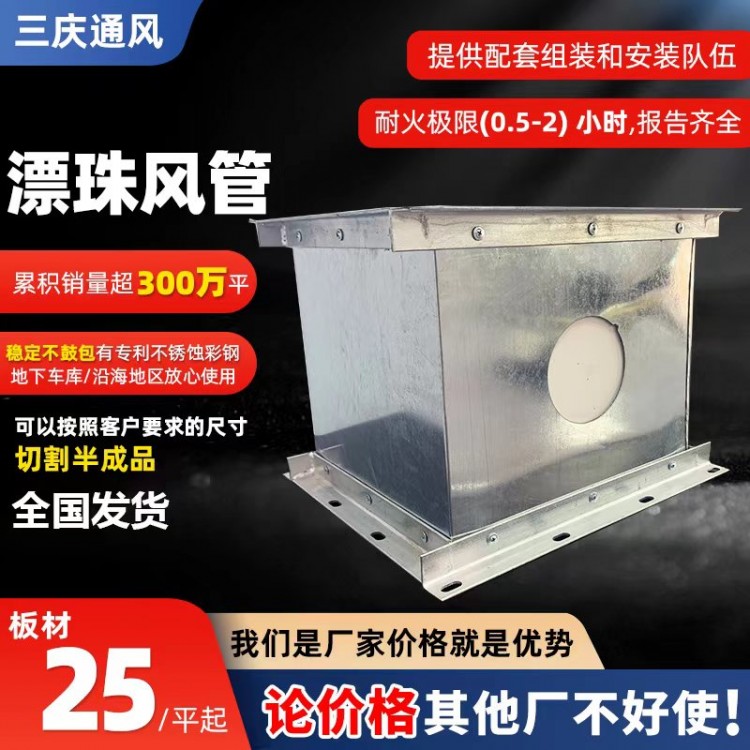
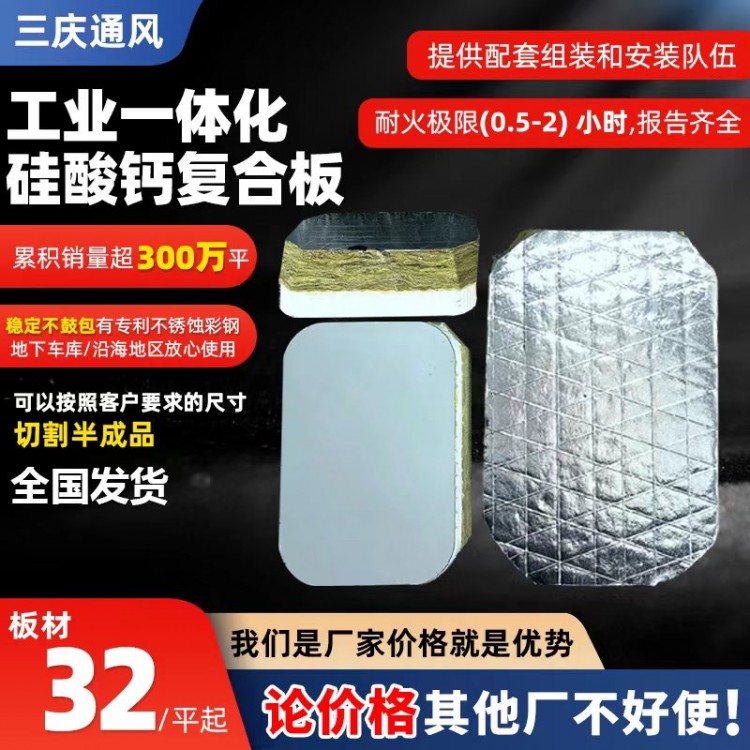
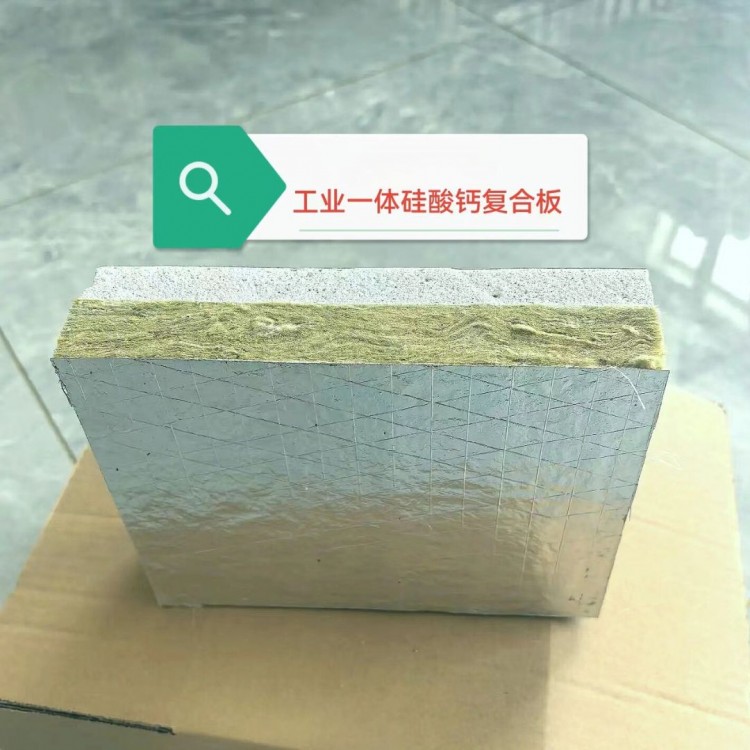
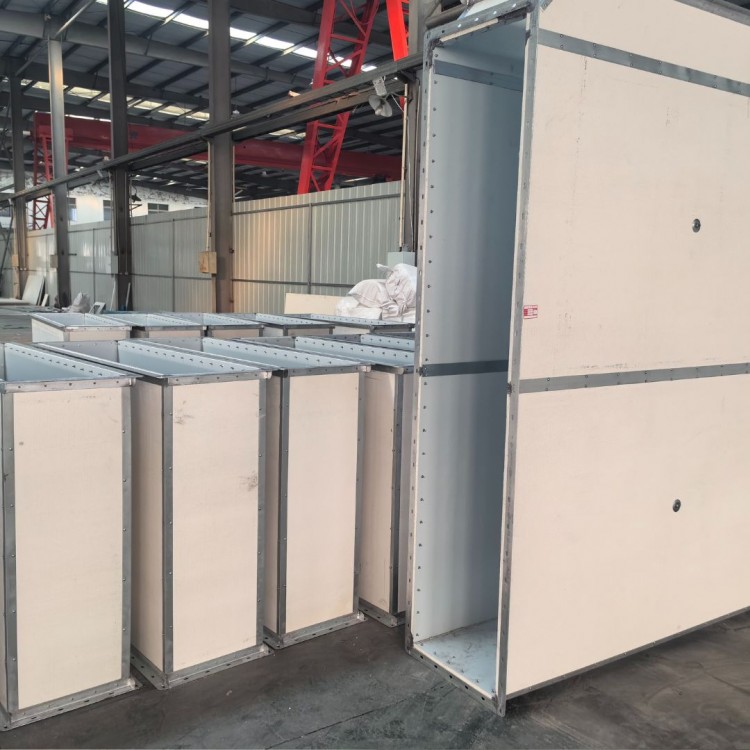
The structure design of the floating bead duct integrates the metal layer, insulation layer, and fire-resistant layer into one, achieving integrated installation, reducing process steps, facilitating installation, significantly lowering construction costs, and thinning the overall duct thickness, thereby saving ceiling height. This design not only enhances the duct's fire resistance and insulation properties but also improves its corrosion and moisture resistance, making the floating bead duct an ideal choice for smoke and exhaust ventilation ducts.
In summary, the working principle of the pearl bead ductwork is achieved through its special materials and integrated design, offering excellent fire resistance, heat insulation, and corrosion resistance, ensuring safe and effective smoke prevention and exhaust operations in complex environments.

询价单


