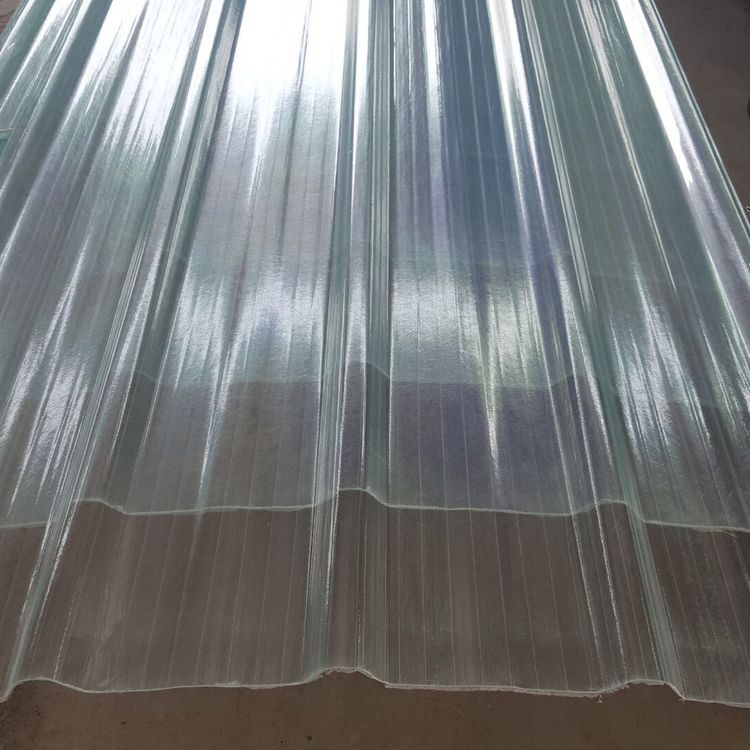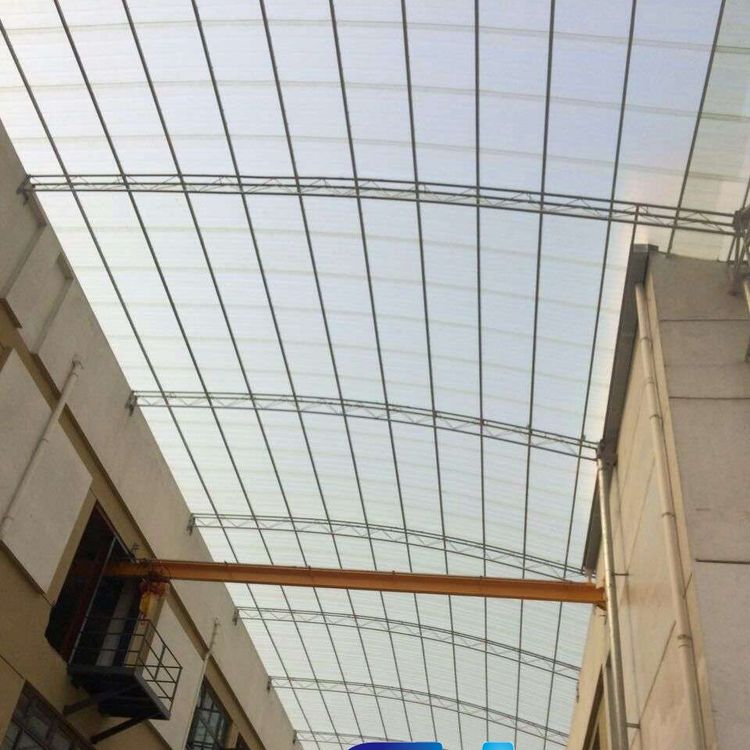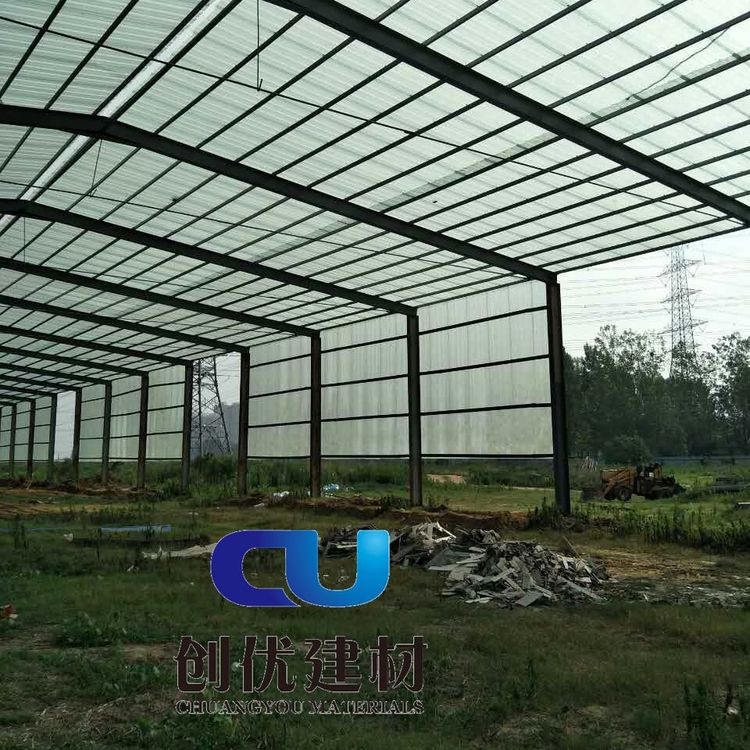

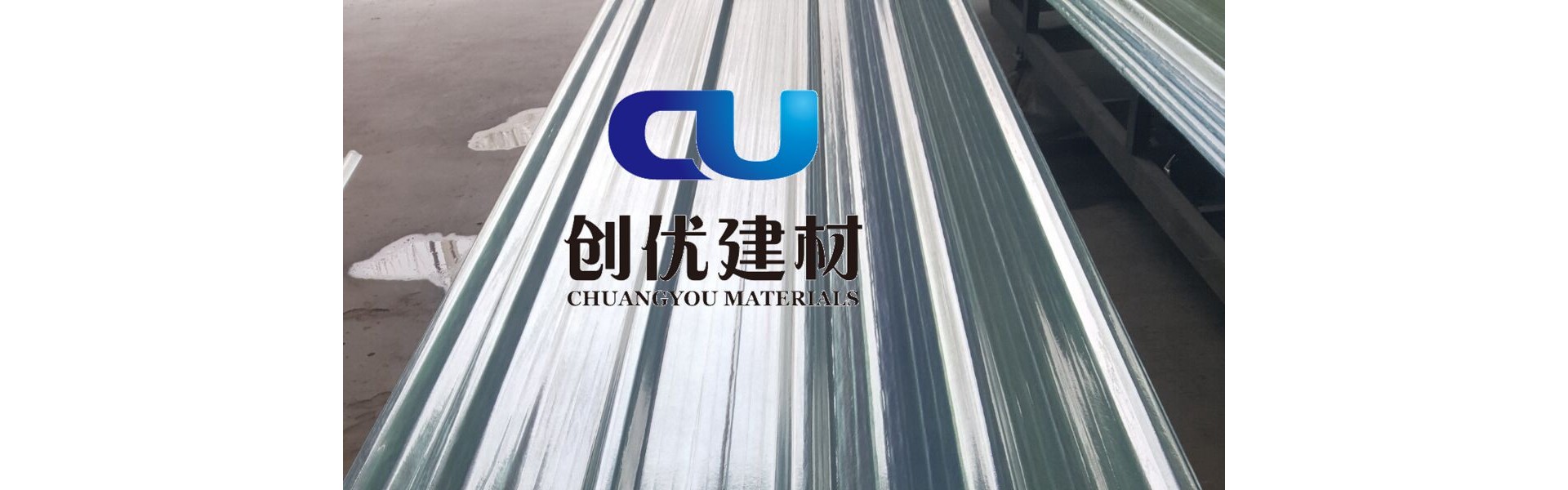
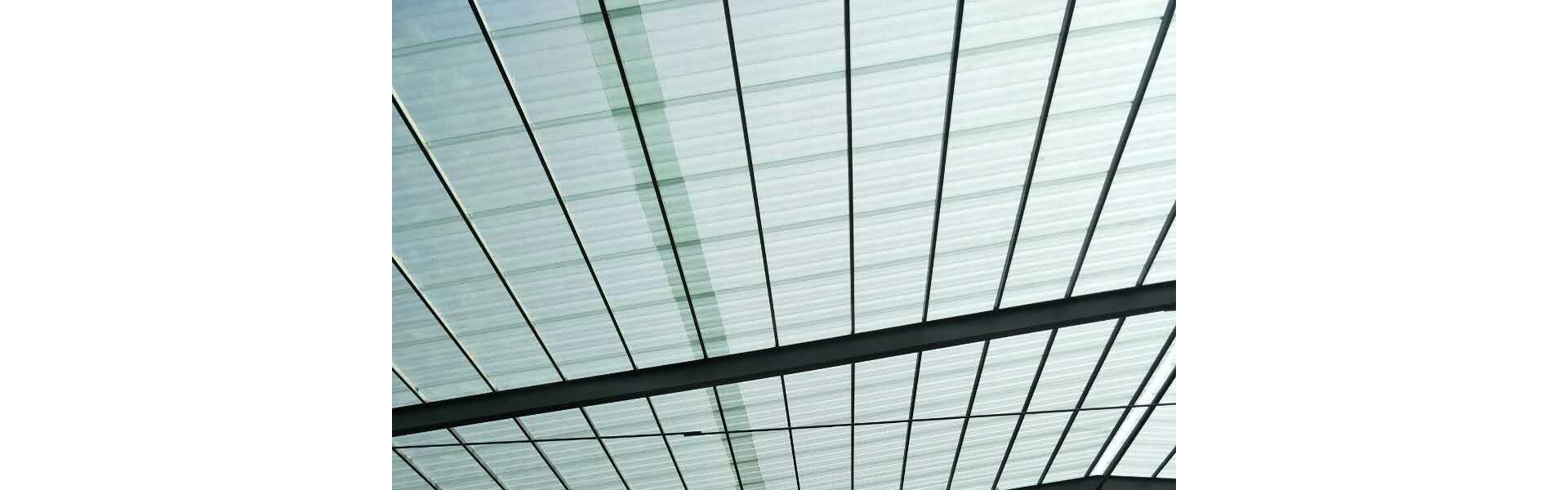

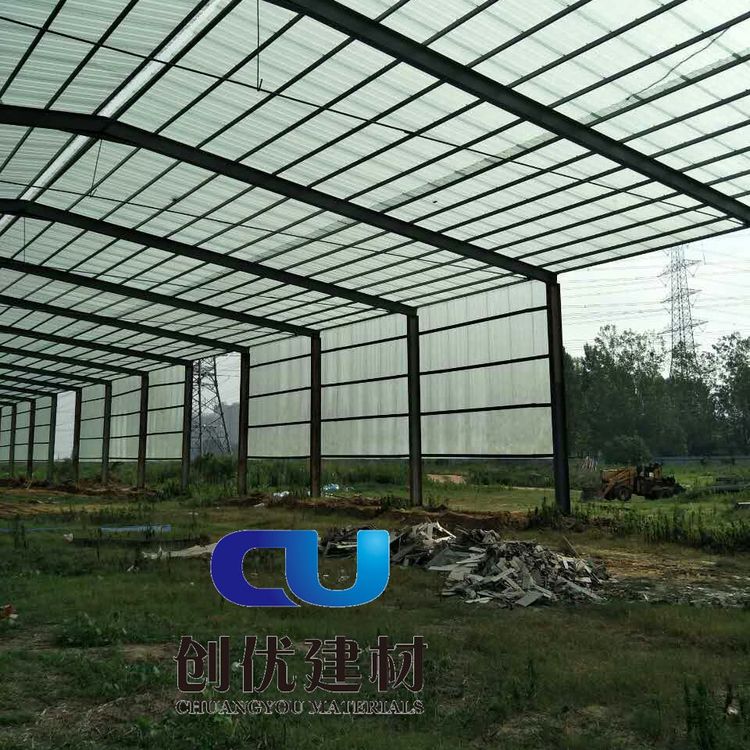
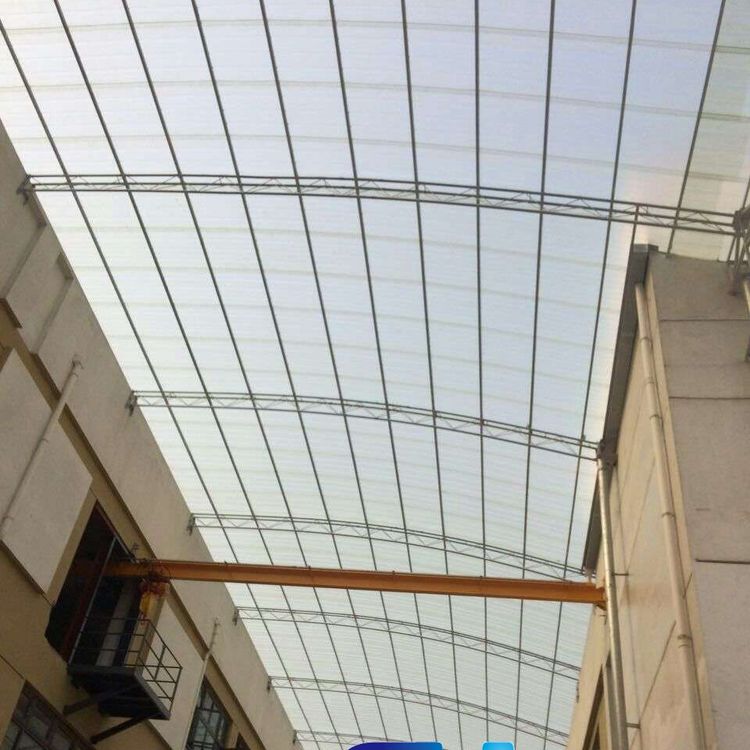
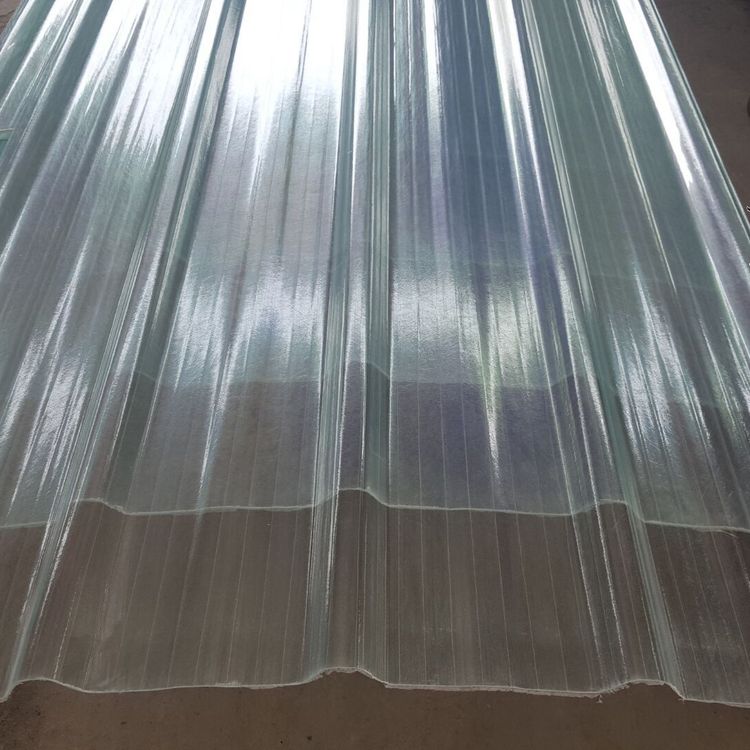
Glass tiles, also known as glass roof tiles, are a type of roofing material made from glass fibers and organic resins. They offer advantages such as wear resistance, acid and alkali resistance, excellent weather resistance, dustproofing, heat insulation, soundproofing, and fire resistance. Additionally, they are aesthetically pleasing and suitable for roof coverings on buildings, factories, sports venues, and various other locations. Glass tiles come in a variety of colors and shapes, including tile shapes, right-angled shapes, and curved shapes.
Learn the features and advantages of glass tiles: Glass tiles offer excellent heat insulation and waterproofing properties, high brightness, and a wide range of colors, suitable for architectural lighting and color rendering.
2. Choose glass tiles based on the style and use of the building: Different buildings and uses suit different glass tiles. For example, European-style buildings typically use translucent glass tiles, while modern-style buildings usually opt for opaque glass tiles.
3. Determine the size and shape of glass tiles: The size and shape of glass tiles should be considered in relation to the architectural design and the coordination of construction materials, as well as the ease of installation.
4. Specify the thickness and color of the glass tiles: The thickness and color of the glass tiles can be chosen based on the architectural requirements, while also considering the influence of environmental and climatic factors.
5. Choose high-quality glass tiles: It is necessary to select glass tiles with high quality and stable performance to ensure their safety and stability in use.