



Do you know the characteristics of a temperature and pressure reducer? Join us as we explore them below!
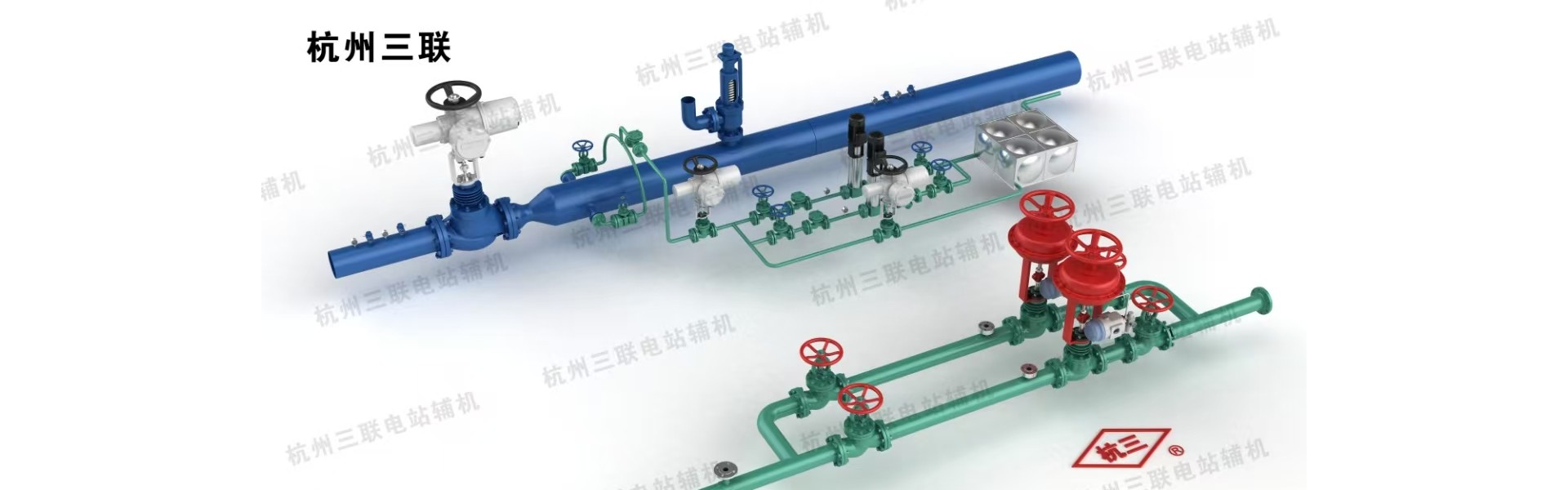
The adoption of a temperature and pressure reducing valve structure allows for simultaneous steam tempering and pressure reduction within a single valve. This significantly shortens the overall length of the unit, reduces the occupied area, and lowers the engineering investment.
The noise-reduction throttling orifice plates are designed based on the principle of small-hole mufflers, offering significant throttling and noise reduction. They maintain low noise levels while also stabilizing the flow, ensuring smoother and quieter equipment operation.
The valve utilizes a straight stroke double-valve seat cage structure, featuring a throttle grid cover inside to enhance the atomization effect of the descaling water, protecting both the valve seat and body, thereby extending the valve's lifespan and reducing the equipment's noise. The double-valve seat design has minimal unbalanced force, a wide adjustment range, and smooth operation, preventing any possibility of jamming.
The temperature reduction feedwater regulation system utilizes either a straight-travel single seat valve or a high-pressure difference regulating valve. The valve's overall structure is in a Z-shaped arrangement, featuring multi-stage throttling with high regulation accuracy and versatility. It reduces the valve leakage and rationally distributes the pressure difference across the feedwater system. Different flow coefficient CV values are available at the same diameter, significantly enhancing the sensitivity and precision of the temperature regulation system.
Five, The regulating valve sealing surface is made of Co-based hard alloy, which is resistant to erosion and cavitation. There is no lag in the temperature reduction adjustment, and the injection speed of the cooling water remains at a constant optimal rate. Within the allowable load range, there will be no deterioration of cooling water atomization or water hammer phenomena.

